
Last updated November 24, 2026
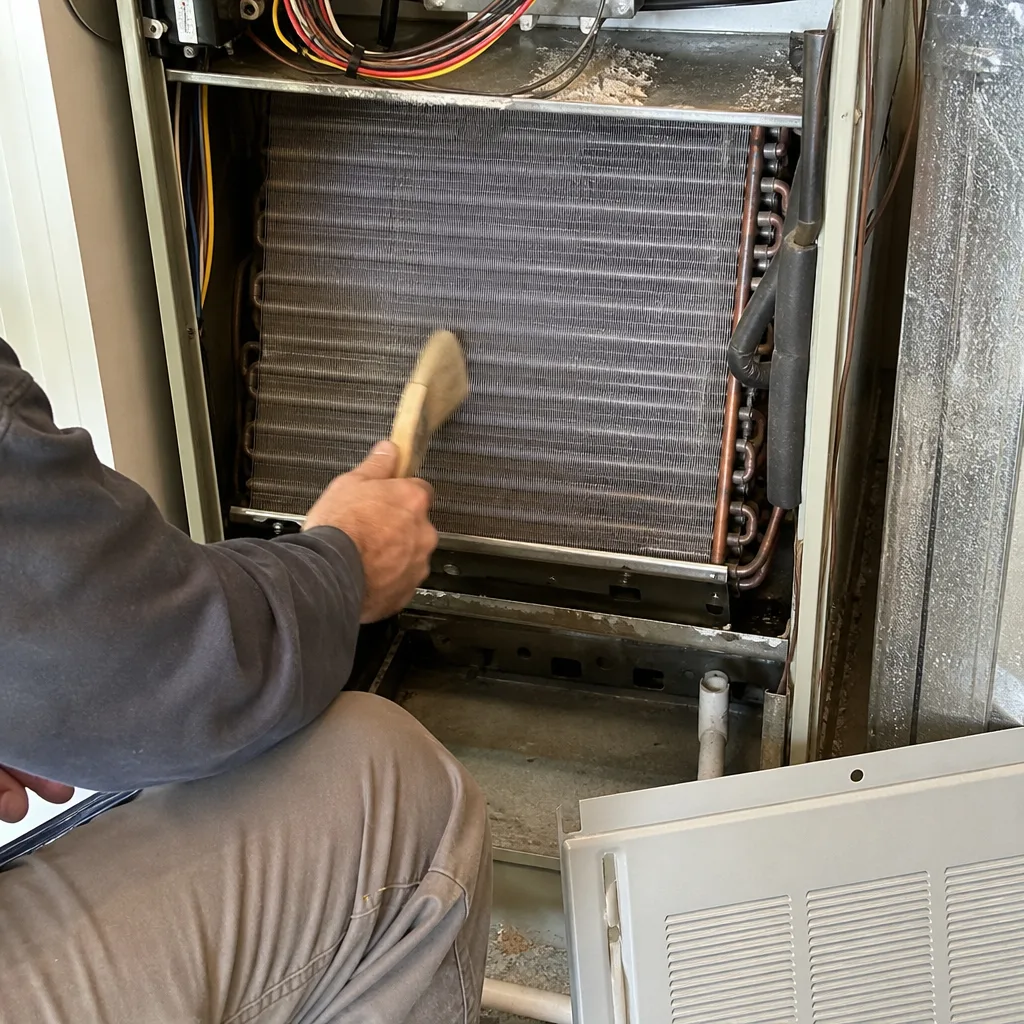
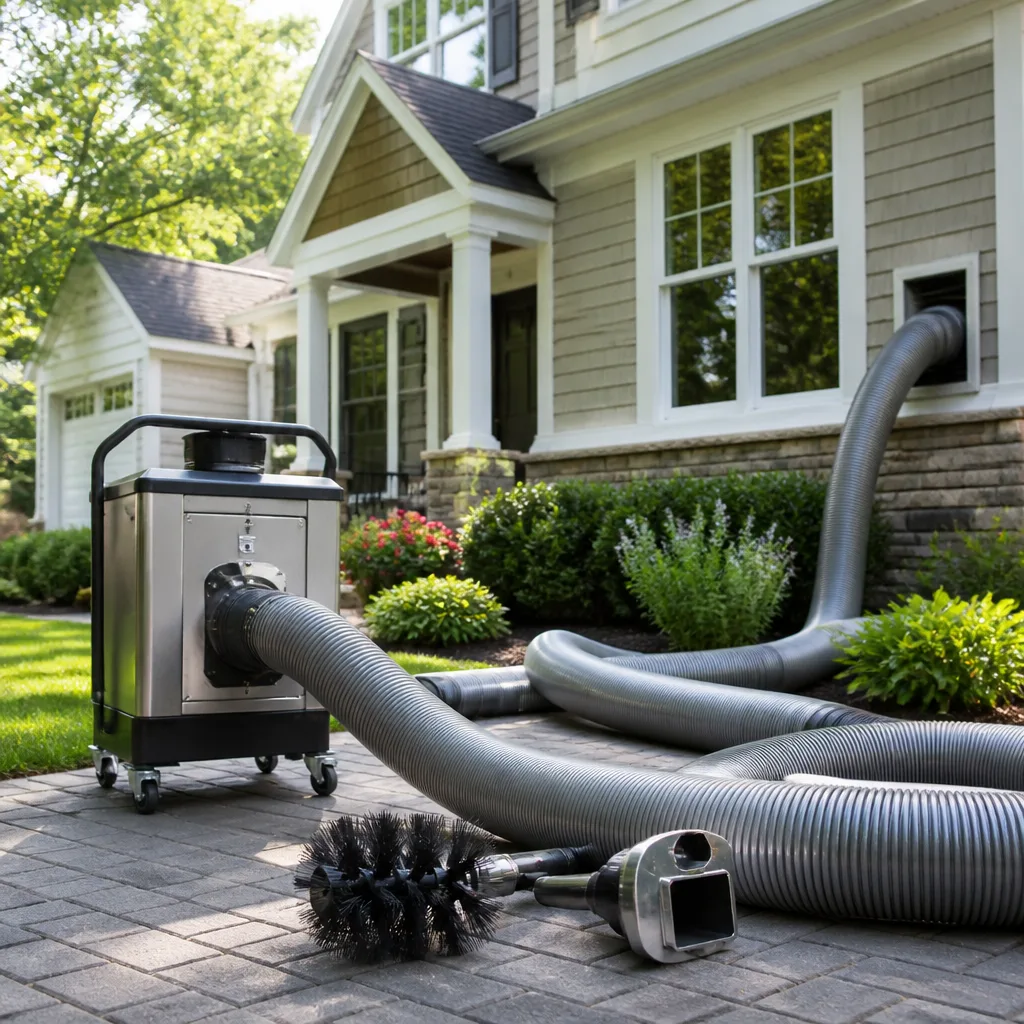 Whole-home duct cleaning
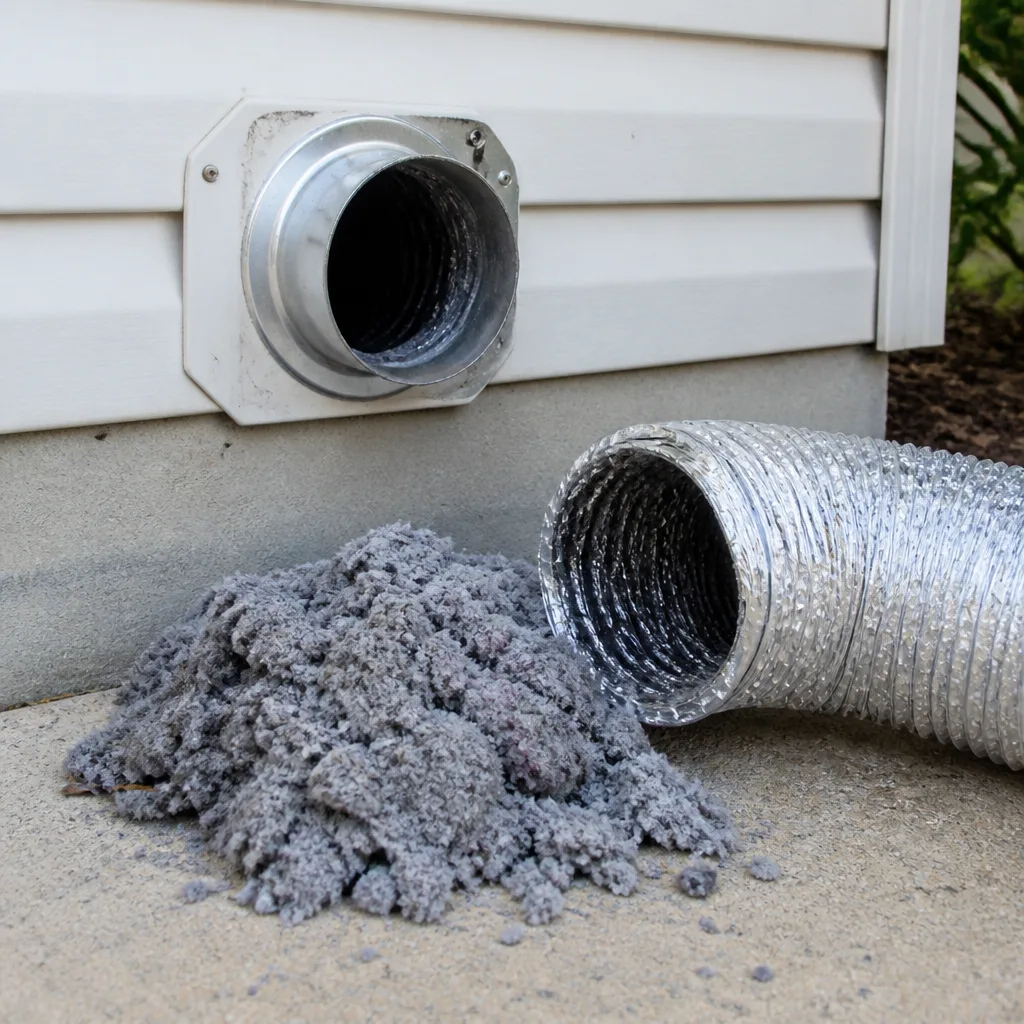 Dryer vent cleaning
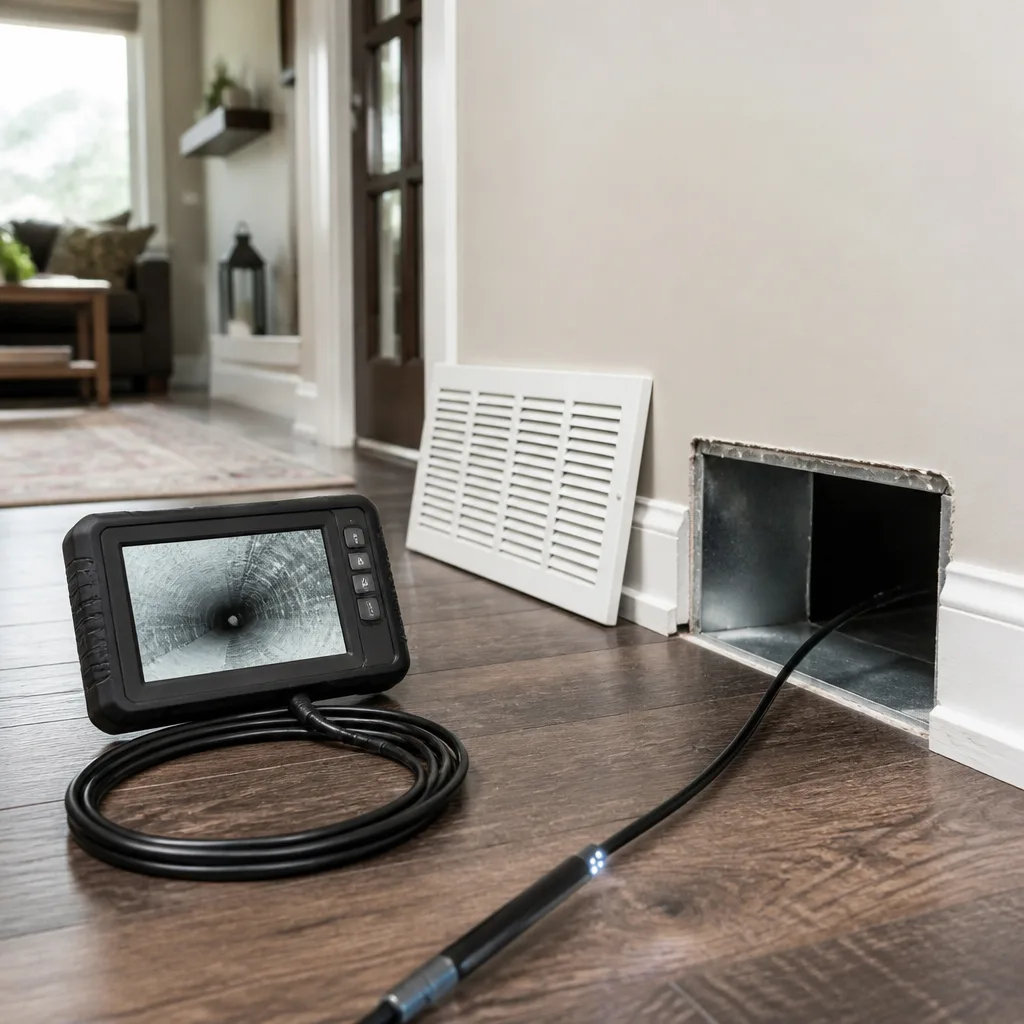 Camera inspection
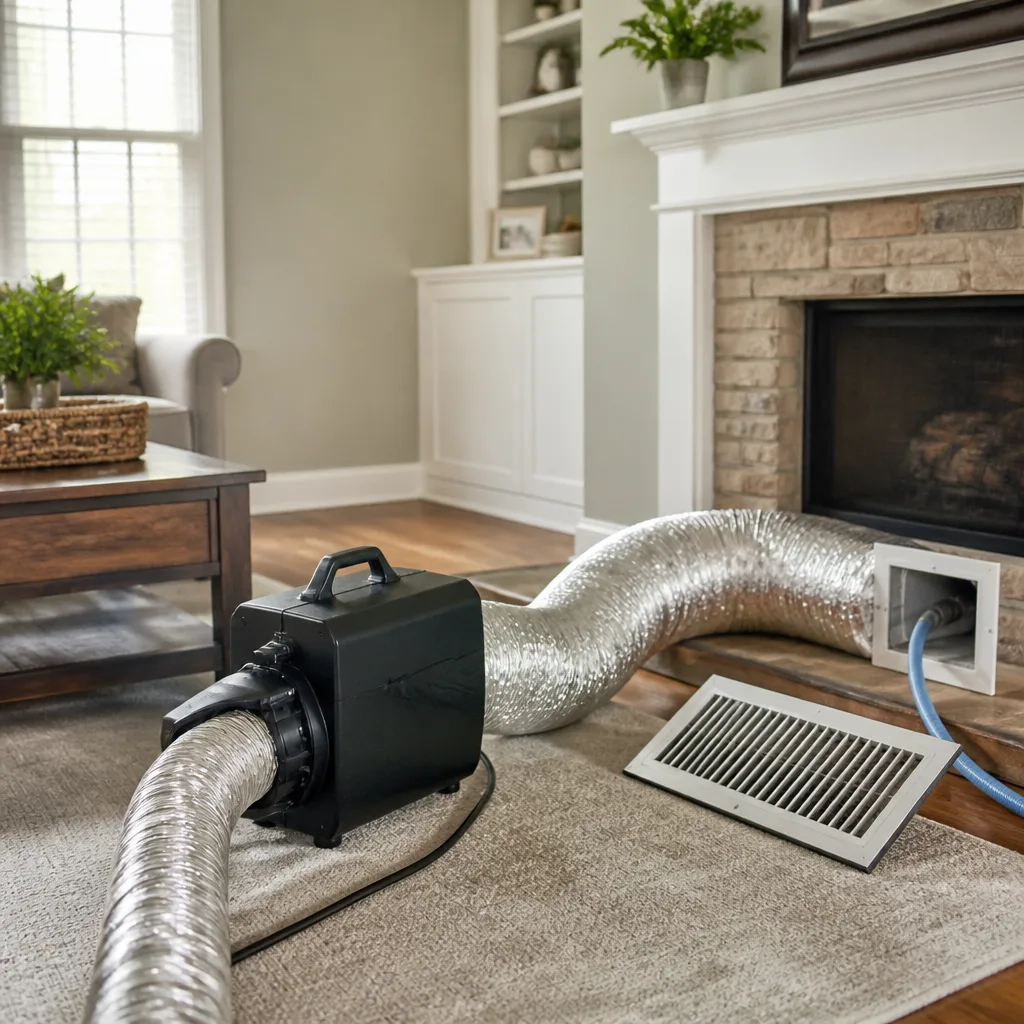 Sanitizing & deodorizing
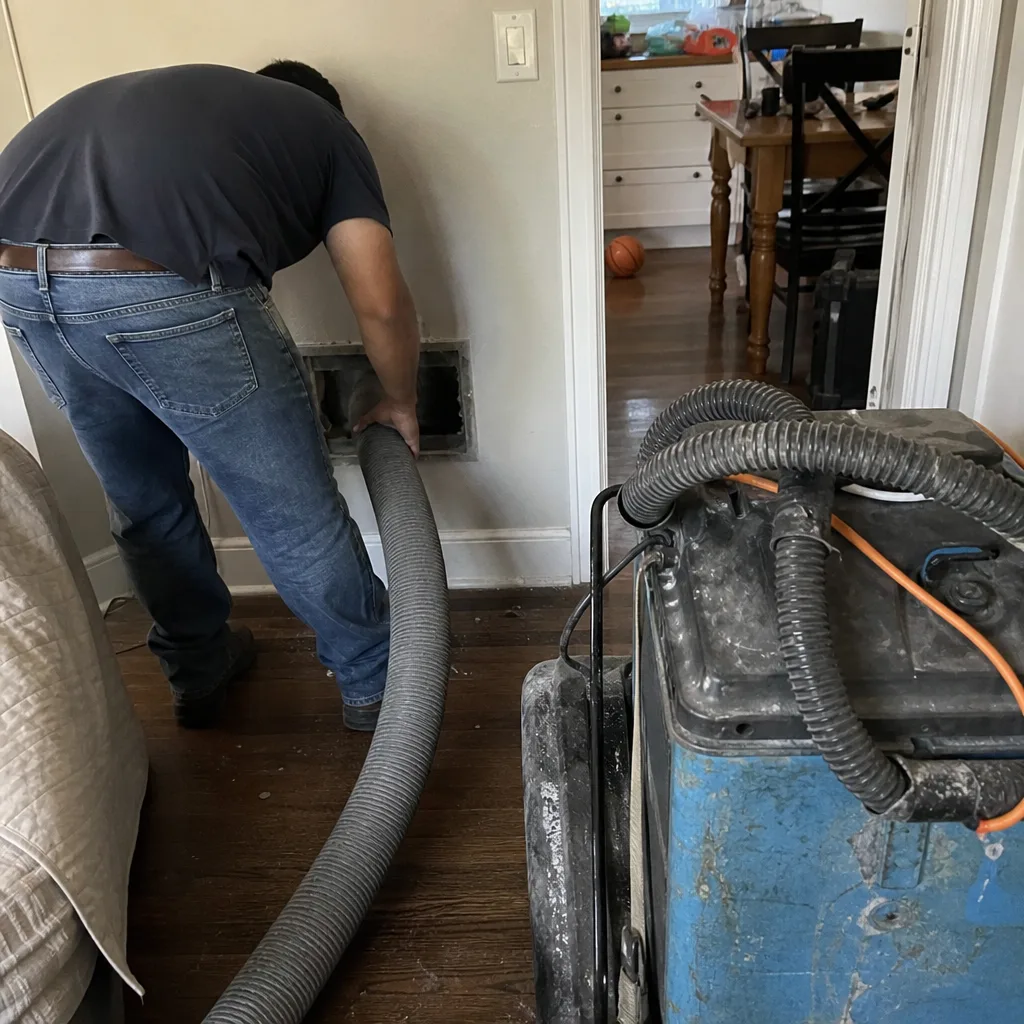
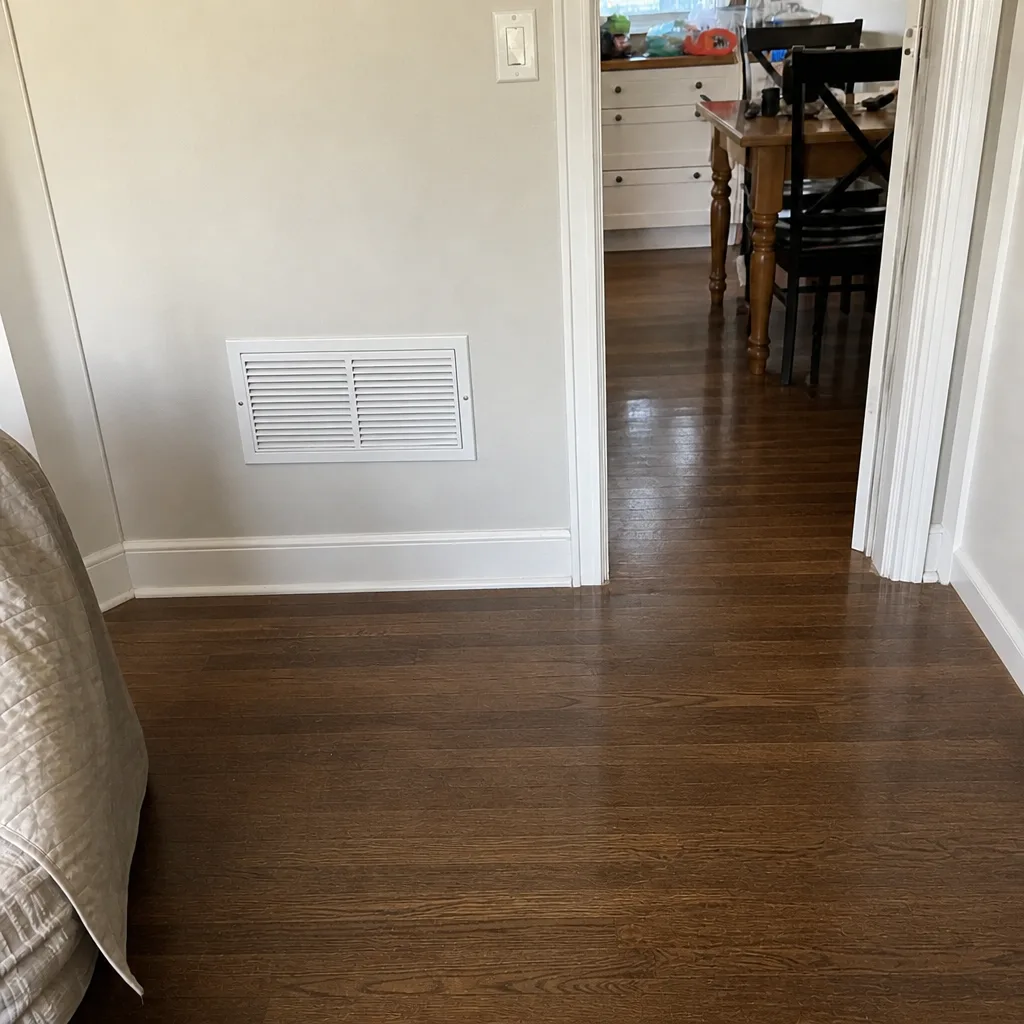
Whole-system duct and dryer vent check with before-and-after photos - you see exactly what came out of your vents
That "$99 whole-house special" is a bait ad - the real number appears once they are in your hallway, or the "clean" is a shop-vac at the register. We photograph the inside of your ducts before and after instead.
Air Duct Cleaning Emergency Preparedness Guide for Hampden Homes
Most Hampden homeowners respond to smoke or water emergencies the same way: they run the HVAC system to clear the air. That instinct backfires. Ductwork traps ultrafine ash and moisture, and every heating or cooling cycle pushes those particles back into the living space. This guide covers what actually works. You’ll learn the wildfire smoke protocol, the water intrusion timeline that decides whether mold takes hold, what to document for an insurance claim, and how to verify a job is finished before you trust your air again.
Quick Answer
In Hampden, duct emergencies fall into two buckets: wildfire smoke infiltration and water intrusion that reaches ductwork. After a smoke event, shut the system off, seal returns, and wait before assessing contamination; after water intrusion, drying must begin inside the 48-72 hour window before cleaning, because brushing wet ducts spreads spores rather than removing them. Either way, call (855) 658-4374. We answer 24/7. Fast dispatch, 7am-7pm.
Styles & brands we work with
- Whole-home duct cleaning
- Dryer vent cleaning
- Camera inspection
- Sanitizing & deodorizing
Table of Contents
- Wildfire Smoke: When to Shut Down the HVAC System
- The Minimum Waiting Period Before Assessing Duct Contamination
- Water Intrusion: The 48-72 Hour Mold Germination Window
- Why Duct Drying Must Happen Before Cleaning
- What to Document for an Insurance Claim
- How to Find an Emergency-Response-Capable Contractor in Hampden
- Post-Remediation Verification: ERMI Testing and Clearance Reports
- Returning the System to Normal Operation
Wildfire Smoke: When to Shut Down the HVAC System
After a wildfire smoke event, ultrafine particles settle throughout ductwork and re-aerosolize every time the HVAC system cycles. Running the system to “clear the air” makes indoor air quality worse. The correct first move in Hampden is to stop moving air.
Shut the system down at the thermostat as soon as smoke is visible in the neighborhood or an air quality alert reaches your area. Then close windows and exterior doors and tape over return grilles with painter’s tape and plastic sheeting. The goal is to keep the settled ash where it is until you can deal with it properly.
Temporary Filtration Stopgap Measures
Before smoke arrives, upgrade to the highest MERV rating your blower is rated to handle. Too high a rating on an older unit strains the motor, so check the equipment label or manufacturer guidance. Hampden sits at elevation where heating systems run hard through the cold months; a filter change before smoke season and again after an event is reasonable for most homes.
- Keep a supply of filters in the rated MERV range your system accepts.
- Seal return grilles during smoke events rather than running the system with windows closed.
- Note any change in how the system sounds after smoke exposure; airflow restriction early signals a clogged filter or loaded ductwork.
When the event passes and outdoor air quality returns to normal, that’s the point to call for assessment rather than run the system to test whether it seems fine. Call (855) 658-4374 for a free estimate. We answer 24/7.
The Minimum Waiting Period Before Assessing Duct Contamination
Wait at least several days after smoke clears before having ductwork assessed. Urine and soot compounds react with surfaces and continue migrating for a period after air quality returns to normal, and an inspection during active settling will misrepresent what’s actually present.
The practical waiting period depends on how long the event lasted and how much your home was in the smoke plume. A short pulse of moderate air quality versus several days of dense smoke over Hampden call for different timelines. The safe rule is: wait until outdoor air quality has returned to normal for a sustained stretch, then call for a professional inspection rather than guess.
During the waiting period, keep the system off or run it only with sealed returns. Don’t vacuum duct interiors with a household vacuum; a standard shop or household vac will aerosolize ultrafine particulates through the room rather than capture them. If you see visible soot on registers or smell a burnt, charred, or resinous odor near returns after waiting, the ductwork has loaded and needs proper assessment.
When the wait is over, book an inspection. Call (855) 658-4374. We answer 24/7. Fast dispatch, 7am-7pm.
Water Intrusion: The 48-72 Hour Mold Germination Window
Mold spores can germinate on wet duct lining and insulation within 48-72 hours of water contact. That window is the entire game. Hampden homes see two main pathways to wet ductwork: burst supply pipes during a hard freeze and roof or attic leaks that find their way down through ceiling runs into upstairs flex duct.
Both push cleaning into a different category. Water damage to ductwork isn’t a cleaning problem first; it’s a drying problem. Here’s what the timeline looks like:
- 0-24 hours: Stop water at the source, shut off the HVAC system, and document the affected area with photos.
- 24-48 hours: Remove standing water, open the area to airflow, and call a professional for inspection. Duct drying needs to begin.
- 48-72 hours: Germination window closes. At this point, wet lining and insulation must be tested, dried, or removed and replaced, not brushed.
- 72+ hours: Contaminated materials become remediation scope, including professional containment and removal.
Flex duct and duct board, both common in Hampden homes, are porous. If they soak, drying is often not enough; sections get cut out and replaced. Call (855) 658-4374. We answer 24/7. Fast dispatch, 7am-7pm.
Why Duct Drying Must Happen Before Cleaning
Cleaning wet ducts doesn’t remove contamination. It spreads it. A rotary brush in a saturated duct board liner breaks spores loose and aerosols them through the same ductwork serving the occupied space. This is why water damage requires stabilization and drying first.
Duct drying in Hampden calls for equipment most cleaning-only shops don’t carry: high-capacity dehumidifiers, negative-pressure containment, and HEPA filtration running alongside the drying setup. Abatement Technologies equipment, which is built for restoration work, is the standard for this. It filters air while maintaining differential pressure so spores don’t migrate through the rest of the house.
Once lining reads dry, cleaning makes sense. That means brushing with something like a Rotobrush rotary system matched to the duct material, then HEPA vacuuming with a Nikro rig. Cleaning a dry, stabilized duct is effective. Cleaning a wet one is a bad decision made at speed.
If you have water near your ductwork in Hampden, call before you clean anything. Call (855) 658-4374. We answer 24/7.
What to Document for an Insurance Claim
An insurance claim on ductwork lives or dies on documentation. Photos and a written scope of work are the two things adjusters ask for and the two things most homeowners haven’t gathered when they call.
Click photos before cleanup starts. Cover the visible water or smoke staining, the source (pipe, roof, break in the wall), and registers inside the home. If you have a hygrometer or indoor air quality monitor, note readings with timestamps. Keep every contractor’s written scope of work, and don’t let anyone haul away damaged material until you’ve documented it.
- Photos and video of the source of damage, before and after mitigation.
- Photos of visible staining, soot, or water in registers, duct openings, and the air handler.
- Any indoor air quality readings, including data from consumer-grade monitors.
- Written scopes of work from every contractor, especially the drying scope.
- Receipts or invoices for the mitigation work and any emergency repairs.
- Moisture readings from the contractor’s meters, with locations noted.
Ask for the scope and drying log in writing before work begins. A contractor who documents the process upfront is easier to work with when a claim moves forward.
How to Find an Emergency-Response-Capable Contractor in Hampden
The contractor question comes down to equipment. A cleaning-only setup has a brush and a vacuum; a remediation-capable one has drying equipment, HEPA containment, moisture meters, and air quality monitoring. For fire and water events in Hampden, you need the second kind.
Ask these questions before booking:
- Do you run high-capacity dehumidifiers and negative-pressure containment? If the answer is “the vacuum does the drying,” keep calling.
- What brands do you use for cleaning and filtration? Professional systems like Rotobrush and Nikro are standard in commercial and restoration work; consumer-grade blowers are not.
- Do you test moisture before and after cleaning? Duct board and flex should be metered, not eyeballed.
- Can you handle post-remediation verification, or do you require a third-party inspector?
- Do you offer duct repair and sealing alongside cleaning? Loose joints and disconnected runs let contamination back in after the fact.
- Do you install or service IAQ equipment? Honeywell and Aprilaire are the two brands most often installed in Hampden homes; a contractor qualified to work with them can improve air quality beyond a one-time visit.
For dryer vent hazards alongside ductwork, we also handle dryer vent cleaning. Call (855) 658-4374 for a free estimate. We answer 24/7.
Post-Remediation Verification: ERMI Testing and Clearance Reports
Verification is what separates remediation from cleaning. After a mold or smoke event, get independent confirmation that the work is done and the air is safe. Ask for a clearance report produced by someone other than the contractor who did the work.
ERMI is the standard dust-based mold test; it measures mold DNA in settled dust and reports an index score. Surface samples or air samples from a spore trap are used too, depending on the situation. For smoke events, visual verification plus cleaning documentation is usually sufficient; for mold remediation, a clearance report from an independent assessor is the norm.
A clearance report should include:
- Sampling method used (ERMI dust sampling or air sampling).
- Locations sampled and collection dates.
- Lab results compared against a baseline or outdoor control.
- The assessor’s name and lab accreditation.
- A statement of whether the area passes clearance.
Don’t turn the system back on based on a contractor’s verbal assurance. Get the report.
Returning the System to Normal Operation
Returning a system to normal operation means more than turning the thermostat back on. Do these steps in order, with the clearance report in hand.
- Change filters. Anything loaded with smoke or construction dust comes out before the blower runs again.
- Confirm containment is removed and duct joints are sealed. Loose joints can undo the cleaning.
- Run the fan on low for the first few cycles and note any odor or change in airflow.
- Check the registers in every room. Documentation photos should match what you see now.
- Schedule routine cleaning on a realistic interval; a typical recommendation is every few years for most homes, sooner after a smoke or water event.
If your home has a whole-home air quality system, verify it’s working after remediation. Honeywell and Aprilaire units often need filter or media replacement after smoke exposure. If you have not had a routine cleaning in years, start with air duct cleaning before addressing upgrades. Call (855) 658-4374. We answer 24/7. Fast dispatch, 7am-7pm.
Common Mistakes to Avoid
- Running the HVAC to “flush” smoke out. In Hampden, cycling the system after a smoke event re-aerosolizes settled ultrafines. Shut the system down and seal returns.
- Cleaning wet ductwork. Brushing saturated duct board pushes spores into the living space. Dry first, clean second.
- Waiting past 72 hours after water contact. The mold germination window is short. Every day after 72 hours increases the scope of work.
- Hiring a cleaning-only shop for a remediation job. If the quote came with a brush truck and no dehumidification equipment, the scope doesn’t match the job.
- Skipping the clearance report. Verbal confirmation is not verification. Ask for a written report from an independent assessor.
- Tossing damaged materials before documenting them. Insurance claims need photos of what was wet or contaminated before anything gets hauled away.
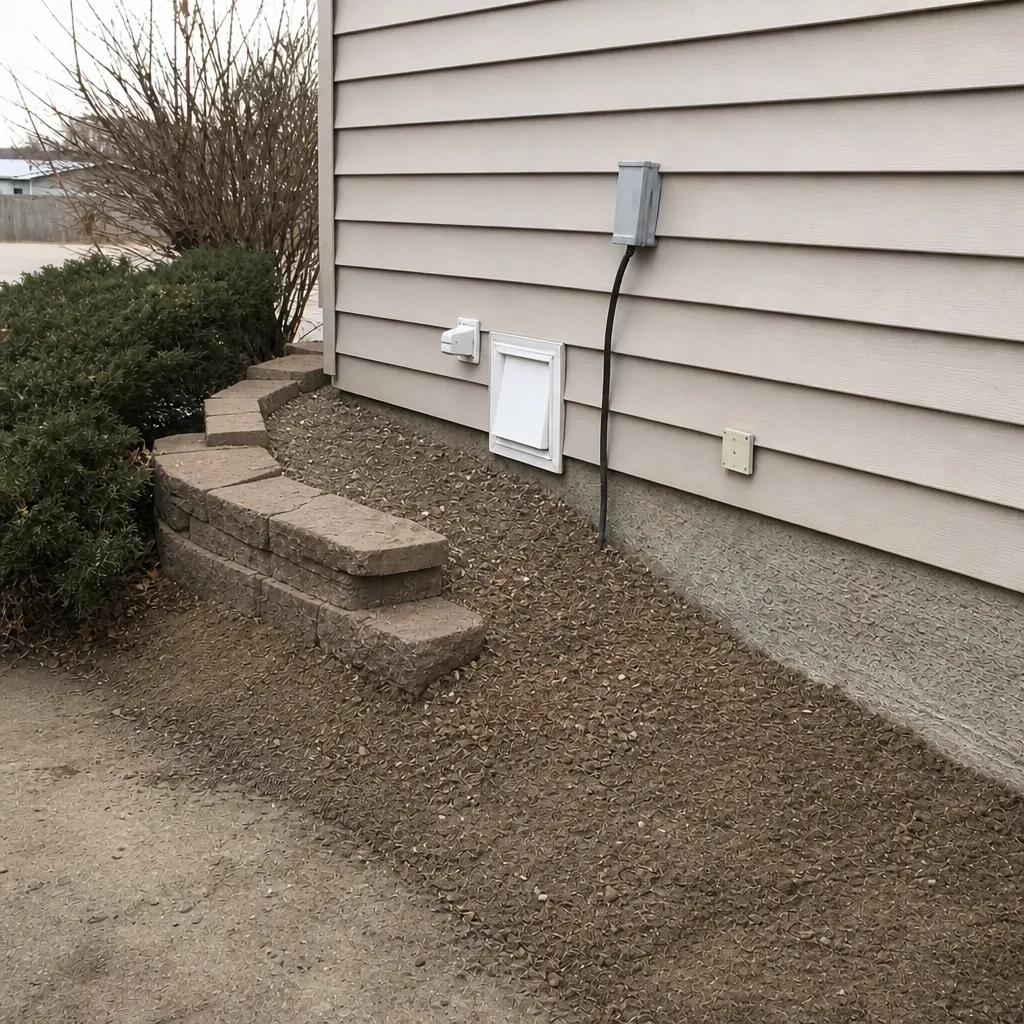
- Forgetting the dryer vent. A dryer vent choked with lint is a fire hazard independent of the ductwork. Have it cleaned alongside the HVAC side.
See the difference
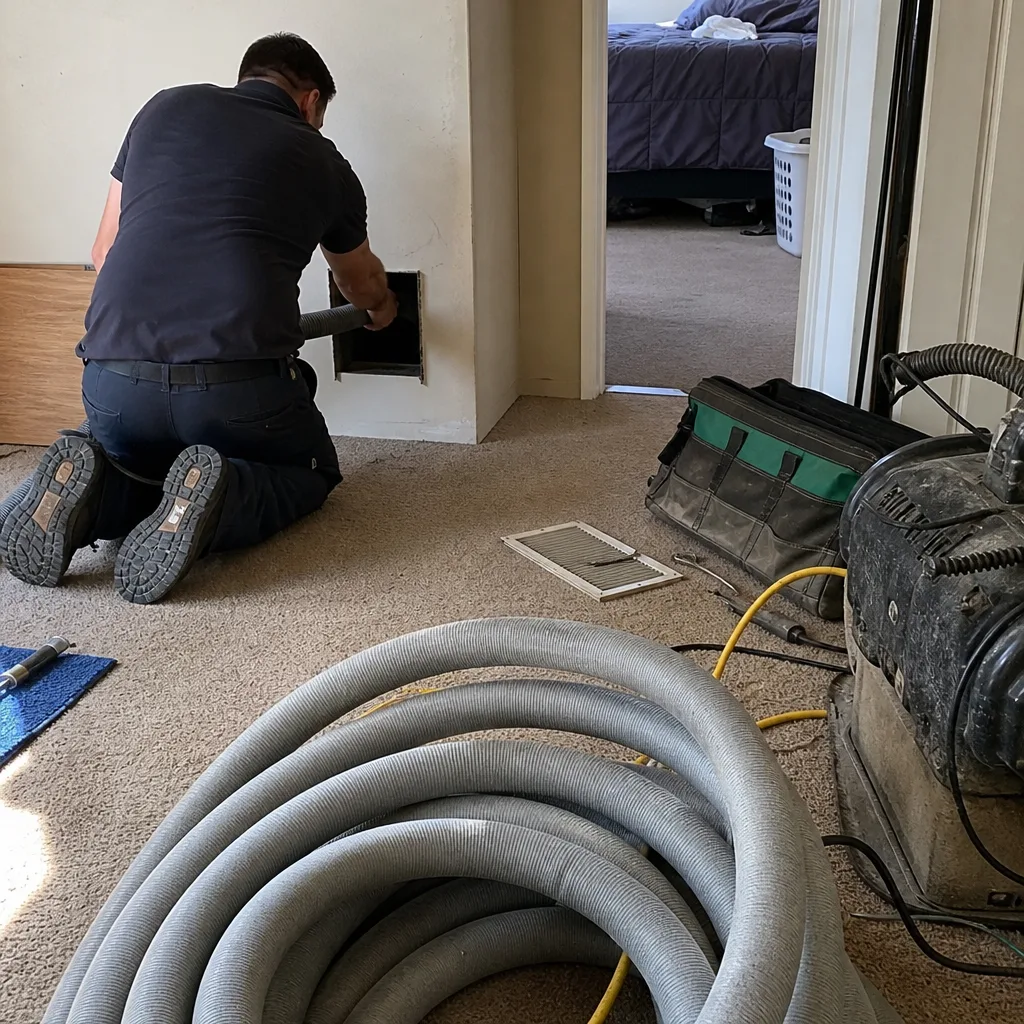 Before
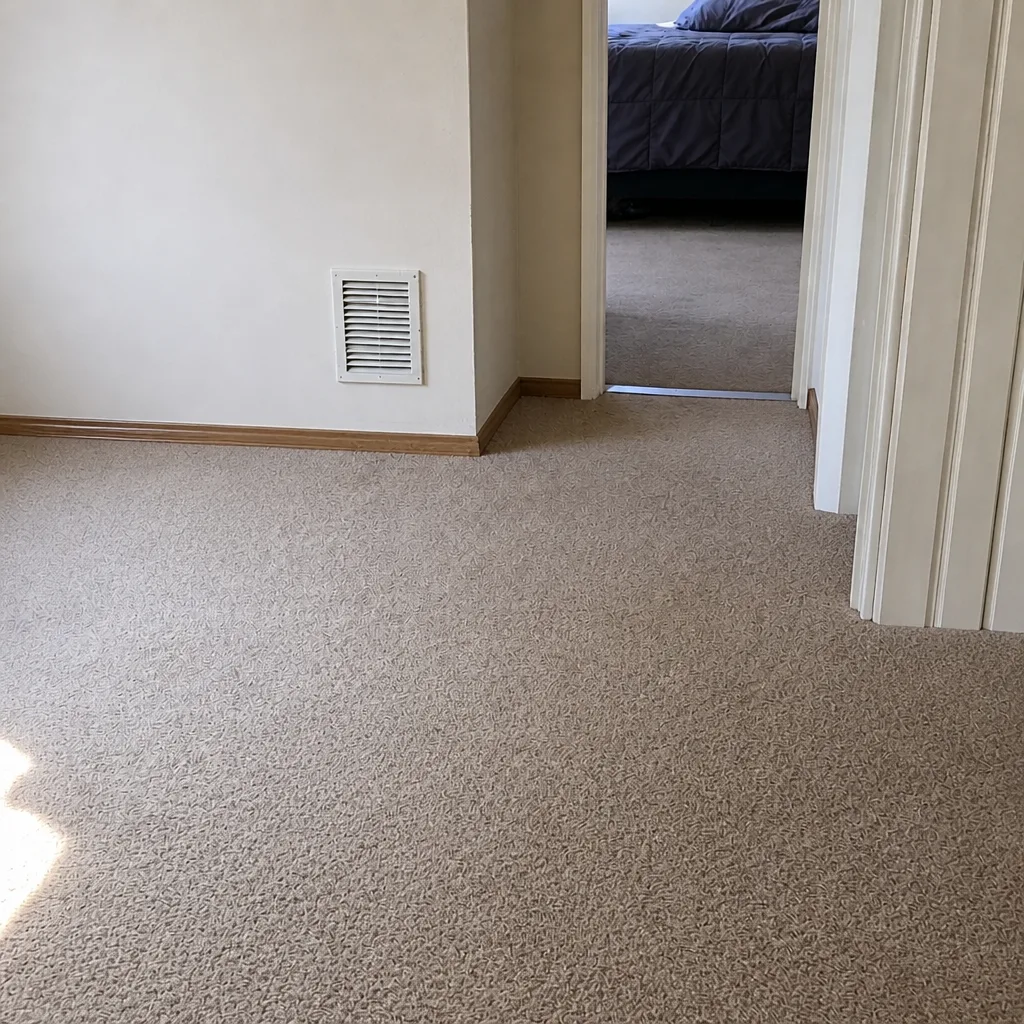 After
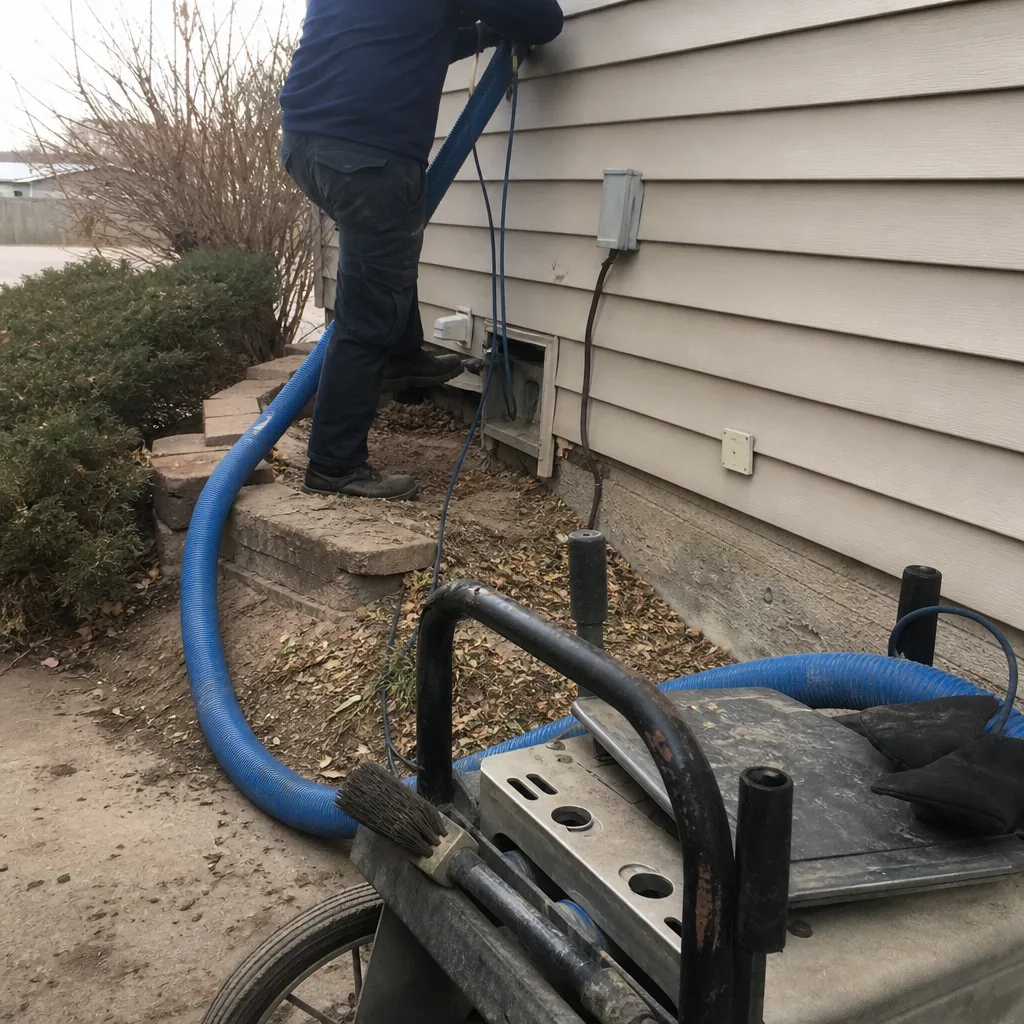 Before
 After
 Before
 After
When to Call a Professional
Call Air Duct Cleaning Hampden when your ductwork has been exposed to wildfire smoke, water intrusion, a burst pipe, or a roof leak. Call when the system smells burnt or musty after an event, or when visible staining appears on registers or duct openings. Call if you suspect mold growth in duct lining, if your airflow has dropped after a fire or flood, or if you’re preparing an insurance claim and need a documented scope. Call if your home had a recent renovation and construction dust is visible inside the registers. We can also clean dryer vents and HVAC equipment while we’re on site. Air Duct Cleaning Hampden offers free estimates in Hampden. Call (855) 658-4374.
Frequently Asked Questions
Wait until outdoor air quality has returned to normal for a sustained period, then have the ductwork inspected. The exact window depends on how long the smoke settled over Hampden and how densely it affected your home. Call (855) 658-4374 for an exact quote. Estimates are free.
Not until they’re dry. Duct drying needs to happen inside the 48-72 hour window before germination starts, and cleaning wet duct board or flex spreads spores rather than removing them. Call (855) 658-4374. We answer 24/7. A call outside dispatch hours is booked into the next opening, Sunday through Friday, 7am to 7pm.
Photos of the damage source before cleanup, photos of visible staining, contractor scopes of work, and any indoor air quality readings you have. Get everything in writing before remediation begins. Call (855) 658-4374 for help documenting an estimate. Estimates are free.
An emergency-response-capable contractor brings drying equipment, HEPA containment, moisture meters, and air quality monitoring alongside cleaning tools. A cleaning-only setup isn’t equipped for stabilization. Call (855) 658-4374 for an exact quote. Estimates are free.
Yes, if the remediation involved mold growth. An independent assessor should provide a written clearance report with ERMI or air sample results before the system returns to normal operation. Call (855) 658-4374. We answer 24/7.
Yes. Leaks and disconnected runs undo a cleaning, so we pair cleaning with duct repair and sealing whenever conditions call for it. Loose joints and sagging flex are addressed before the system is put back into service. Call (855) 658-4374 for a free estimate.
The Bottom Line
Hampden duct emergencies come down to two protocols. For wildfire smoke: shut the system down, seal returns, wait for outdoor air quality to return to normal, then inspect. For water intrusion: dry first, clean second, and don’t let a brush touch wet ductwork. Document everything for the insurance claim, hire a contractor who brings drying equipment alongside cleaning equipment, and get a written clearance report before turning the system back on. Air Duct Cleaning Hampden handles cleaning, sealing, sanitizing, HVAC cleaning, and dryer vent cleaning through one company. Call (855) 658-4374. We answer 24/7. Fast dispatch, 7am-7pm, Sunday through Friday.
Written by the team at Air Duct Cleaning Hampden.