
Last updated November 24, 2026
 Whole-home duct cleaning
 Dryer vent cleaning
 Camera inspection
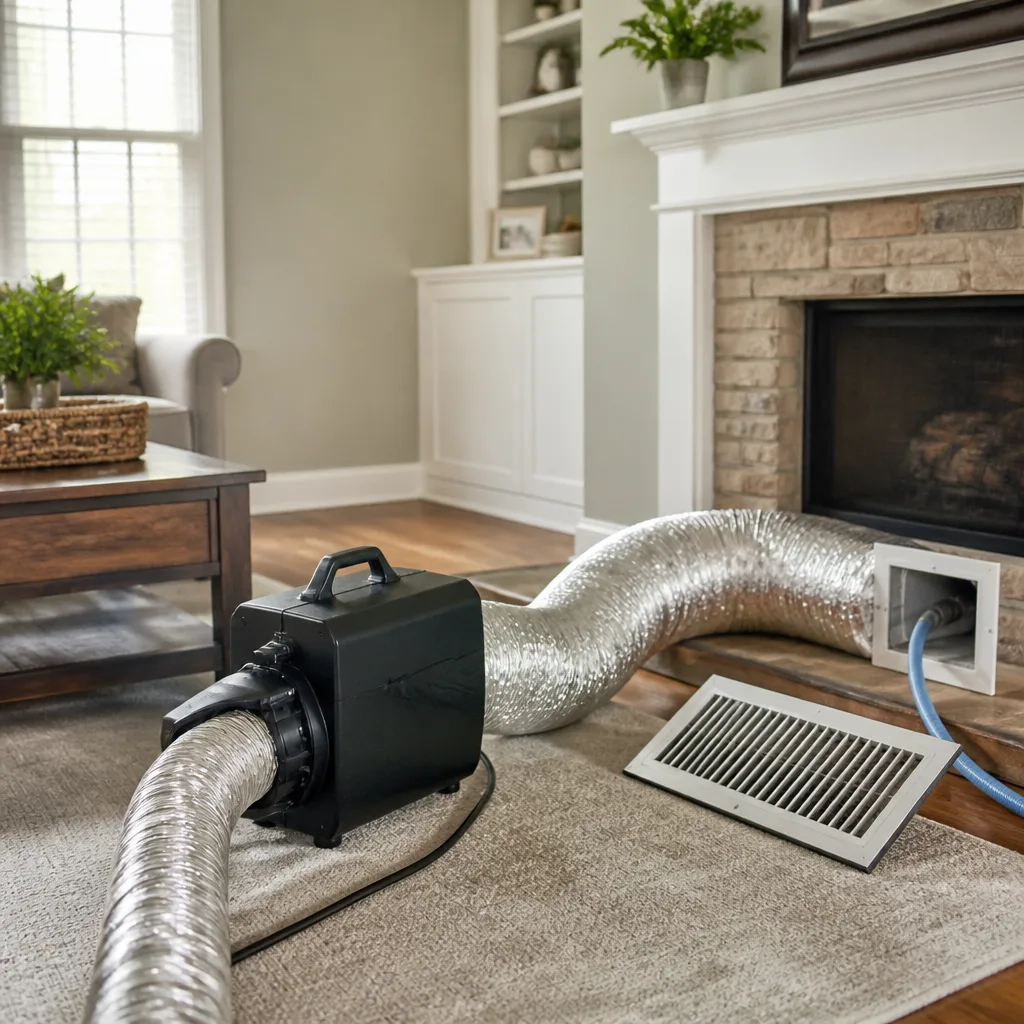 Sanitizing & deodorizing
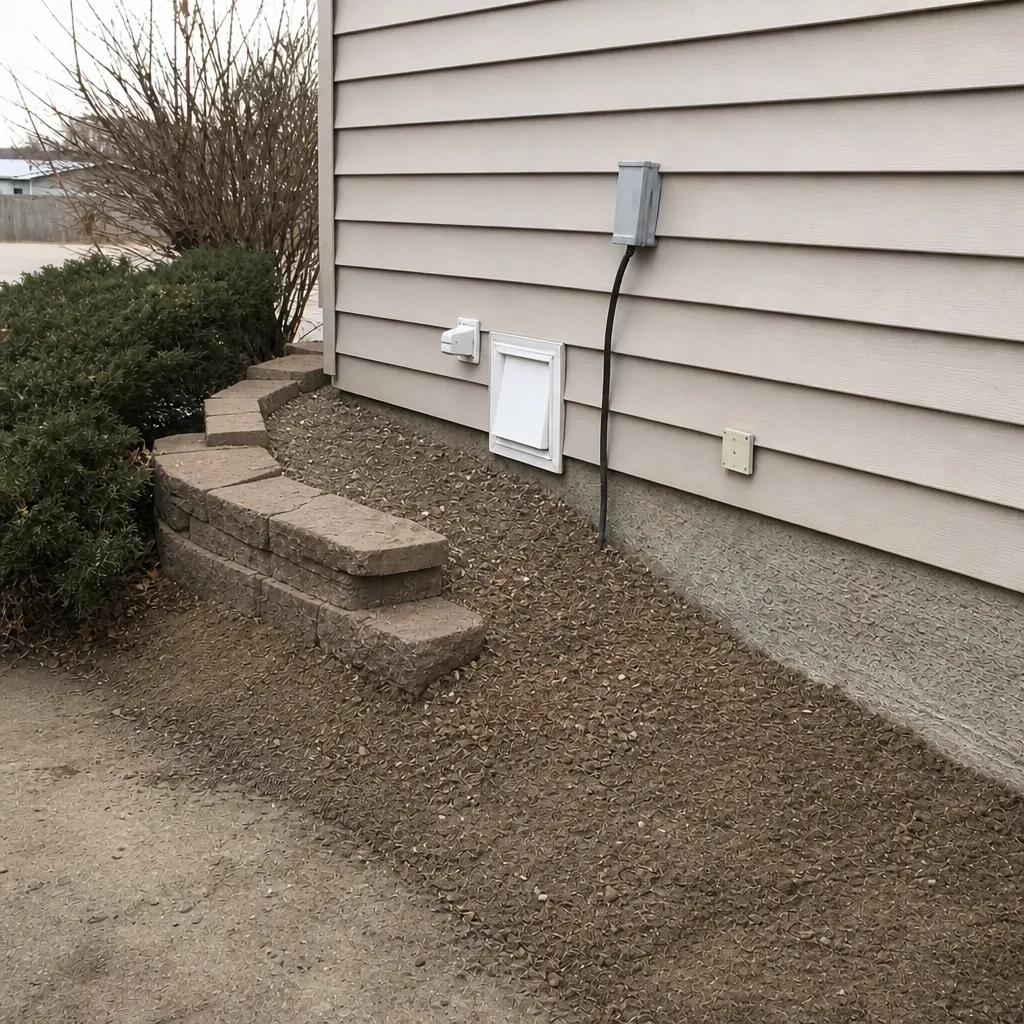
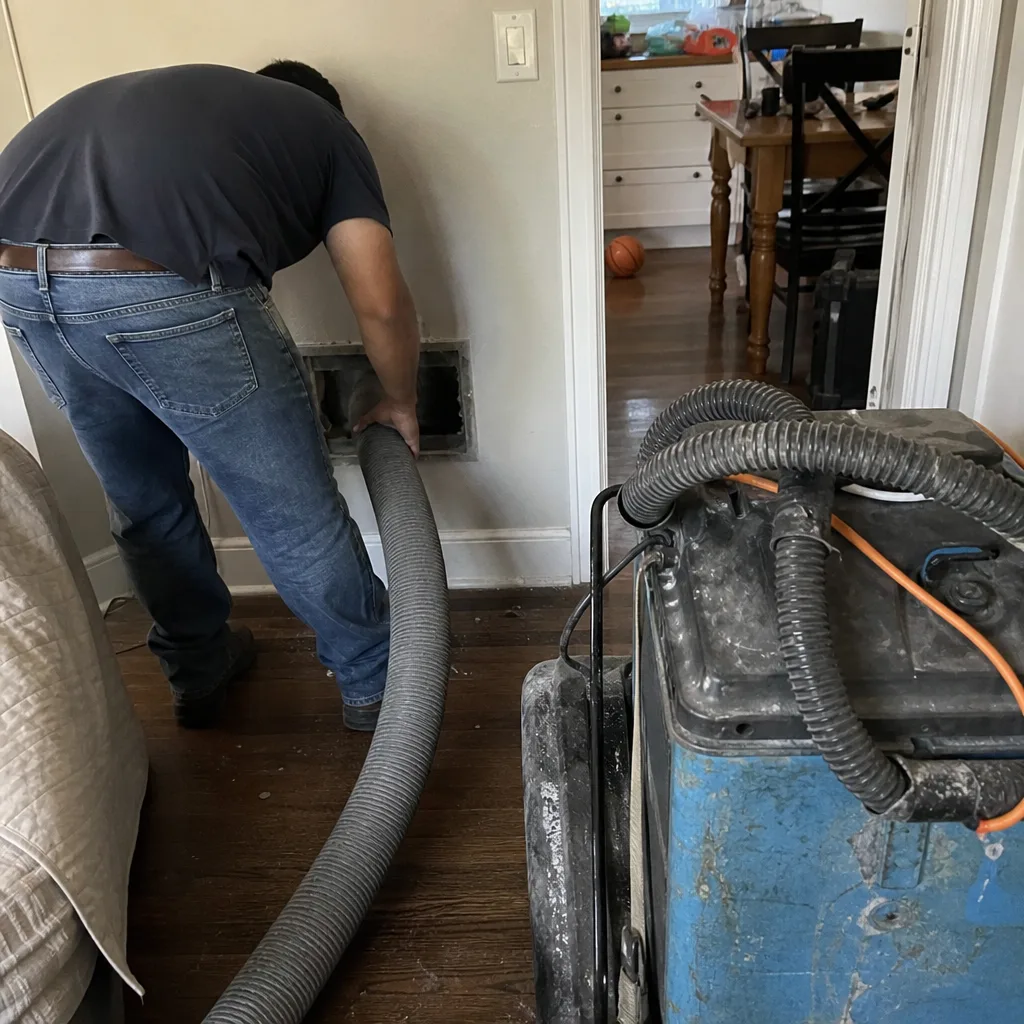
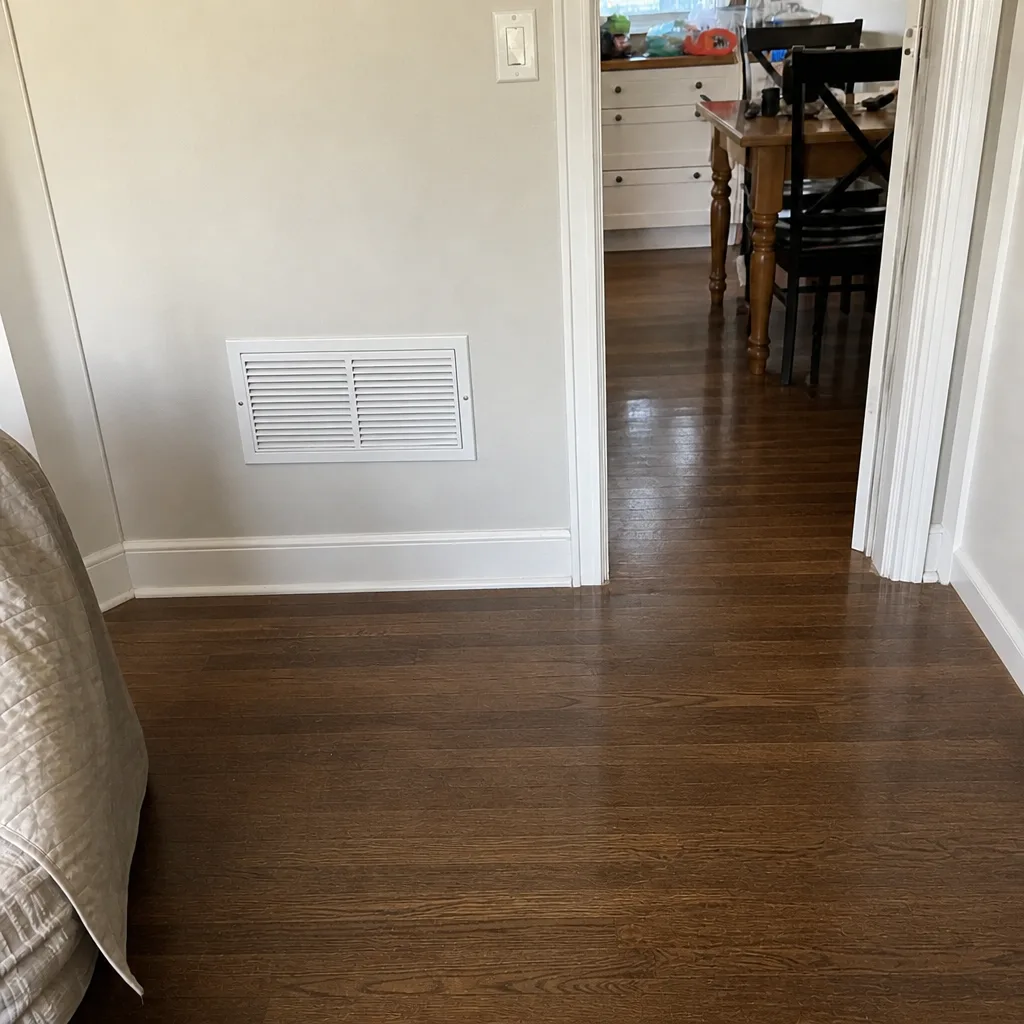
Whole-system duct and dryer vent check with before-and-after photos - you see exactly what came out of your vents
That "$99 whole-house special" is a bait ad - the real number appears once they are in your hallway, or the "clean" is a shop-vac at the register. We photograph the inside of your ducts before and after instead.
Air Duct Cleaning Maintenance Checklist for Hampden Homeowners
Most duct cleaning advice you’ll find online is built around a neat little number: clean your ducts every three to five years and forget about it. In Hampden, that cycle doesn’t hold up. This stretch of Colorado sits in a corridor that catches wildfire smoke drifting down from the mountains in summer and swings from bone-dry heating-season air to sudden monsoon humidity in a matter of days. Two climate stressors the national template ignores. What your ductwork actually needs is a dated, task-specific protocol tied to what Hampden weather does to a house, not a generic quarterly reminder. This guide gives you that record, plus the inspection habits and tracking metrics that tell you when the system needs real attention.
Quick Answer
Hampden homeowners should run a monthly register check, replace or clean filters based on pressure and season (not the calendar on the box), and schedule a professional full-system cleaning every two to three years, or sooner after a heavy wildfire smoke season or a renovation. A professional Air Duct Cleaning Hampden service with real HEPA equipment resets the baseline; your maintenance log protects it between visits.
Styles & brands we work with
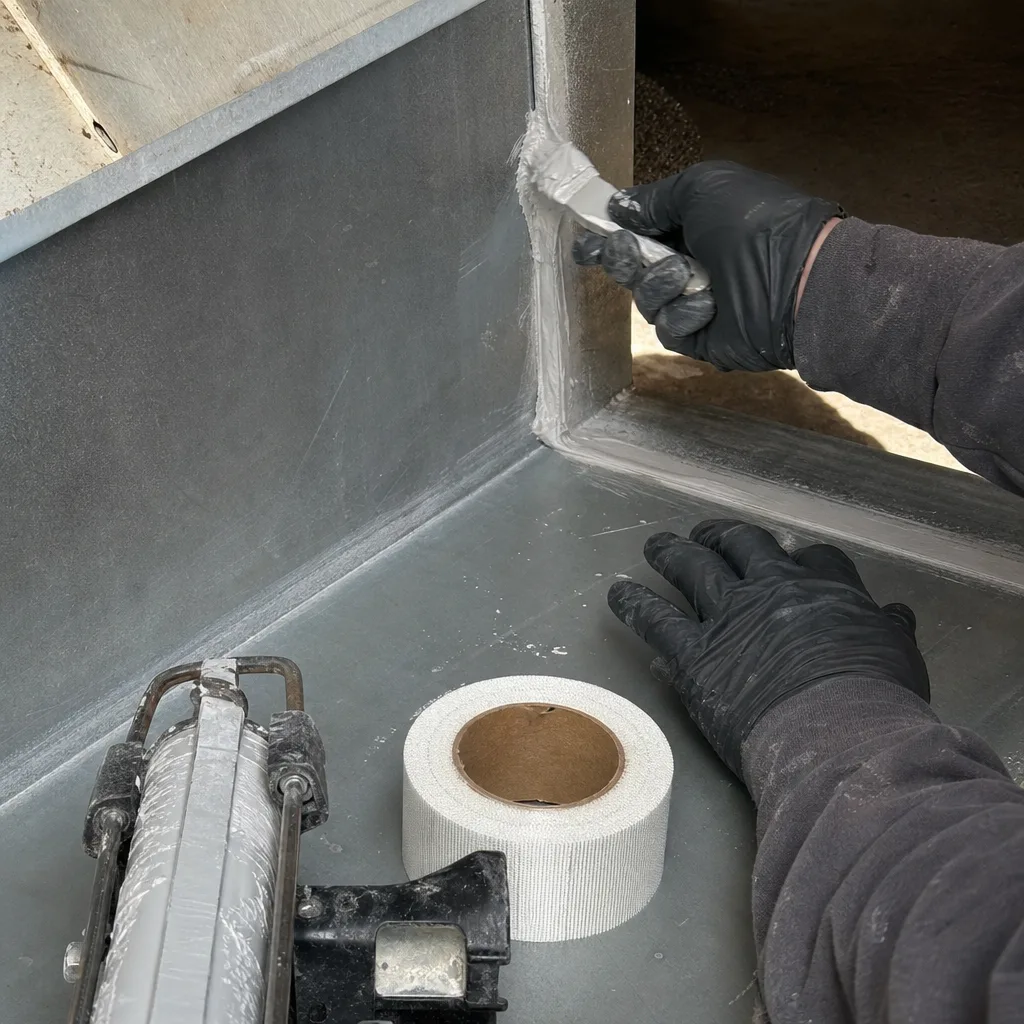
- Whole-home duct cleaning
- Dryer vent cleaning
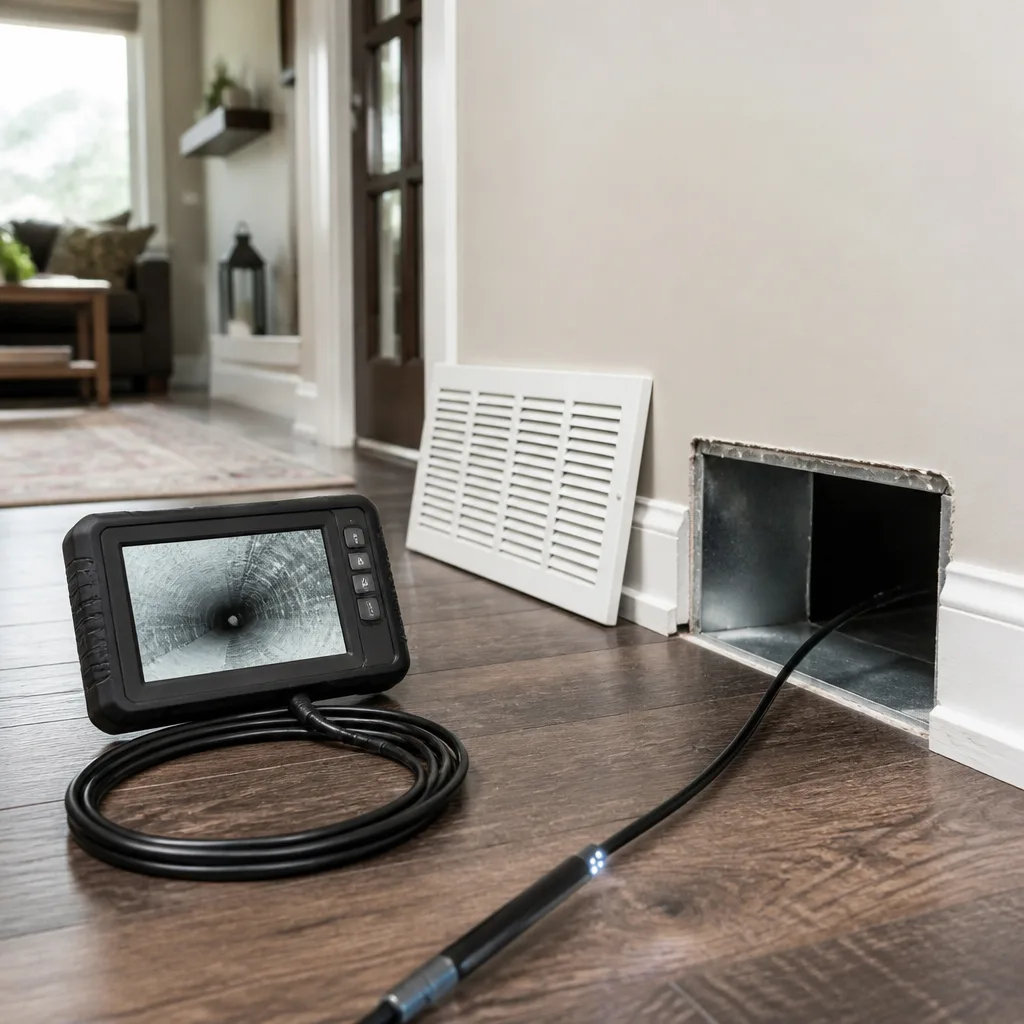
- Camera inspection
- Sanitizing & deodorizing
Table of Contents
- Why Hampden Ductwork Needs Its Own Maintenance Calendar
- The Month-by-Month Hampden Duct Maintenance Checklist
- Choosing the Right Filter for a Hampden Home
- The Five-Minute Register Inspection You Can Do Without Tools
- What to Log Between Professional Cleanings
- Why Cleaning, Sealing, and Sanitizing Belong Together
- Documenting Duct History for Resale in Colorado
- Common Mistakes to Avoid
- When to Call a Professional
Why Hampden Ductwork Needs Its Own Maintenance Calendar
A house in Hampden lives through three distinct air-quality seasons that don’t show up on a generic cleaning schedule. Wildfire smoke events roll in fast during the warm months, and the fine particulate that comes with them doesn’t just sit on a filter surface, it coats the interior walls of your supply trunks. Then the heating season starts. Nine out of ten homes here run forced-air heat for months, and every time the furnace kicks on it moves another layer of settled dust through the system. Then the monsoon pattern arrives, pushing humidity from single digits up into the forties or higher in a matter of days. That swing is what turns a dry dust film into a sticky film that clings to duct walls and supports microbial growth if your indoor humidity creeps above the mid-fifties for any sustained stretch.
None of those stressors care about a three-to-five-year cleaning cycle. What they care about is whether the homeowner is paying attention to the right signals at the right time of year. That’s what a maintenance checklist is actually for. Not a reminder to change a filter. A structured way to catch a change in your system before it becomes a problem you smell or feel.
If you’re just starting a log, the first entry in it should be a professional baseline inspection and cleaning. You can’t track change without a starting point. Air Duct Cleaning Hampden’s team handles a full-system assessment and reset, and the technicians we connect you with have up to 14 years of experience reading the specific wear patterns Colorado forced-air systems develop.
The Month-by-Month Hampden Duct Maintenance Checklist
Hampden’s climate calendar is more useful than the generic quarterly template because it puts each task where it actually matters. Here’s how we’d calendar a full year for a typical forced-air home.
Warm-Weather Block (roughly May to September)
- Watch the air quality index daily. When wildfire smoke is forecast, close the house up and switch the system fan from auto to on so the filter can work continuously rather than only on a heating call. Log any smoke-event days in your maintenance record.
- Check the filter mid-summer, not just at the start. Smoke season can load a filter in weeks rather than months. Pull it, hold it to a light, and see if you can see through it. If not, replace it.
- Look for monsoon-season condensation. After humid stretches, check for moisture at the coil drain pan and around any duct that runs through an unconditioned space like a garage or crawlspace. This is the time of year when summer humidity does hidden work.
- Inspect the return grille after smoke events. Fine smoke particulate builds a grey film that looks different from ordinary house dust. Note it, and if it comes back fast, that’s a signal the filter isn’t capturing particles small enough to matter to you.
- Book the dryer vent check if you’re due. Summer is the standard time. A clogged dryer vent is one of the more common household fire hazards, and the problem is invisible until it isn’t. Professional dryer vent cleaning is a short, simple job that most HVAC companies skip entirely.
Heating-Season Block (roughly October to April)
- Replace the filter at the start of heating season. This is the highest-value filter swap of the year because the furnace is about to run daily.
- Do a full register walk-through in October. Every supply and return register in the house, one minute each, looking for dust, dark streaks, rust, dust streaks that look like the duct is leaking air at the joint.
- Check humidification if you run a whole-house humidifier. Hampden heating-season air is dry, and a humidifier pad that’s scaled up does nothing for the house. Swap or clean it before the season gets going.
- Log the thermostat runtime. Once a week through the heating season, note roughly how long the system runs on a typical day. Rising runtime against a steady outdoor temperature is a system-efficiency signal worth acting on.
- Look at the outdoor unit if you have a heat pump or AC. Clear leaf debris around the base before the season, and check the line set where it enters the house for any new sealant gaps.
Total time commitment for the whole list is under an hour across the year. The point isn’t to do more, it’s to do it at the right time.
Choosing the Right Filter for a Hampden Home
Filter MERV rating guidance in Hampden is different from what you’d read in a national article, because the two conditions that matter most here are wildfire smoke particulate and heavy roadway particulate load. Both call for a filter that catches smaller particles than the basic 99-cent fiberglass panel most builders install.
Here’s how we break it down by situation:
- Homes on high-traffic corridors or near regional routes: MERV 11 to MERV 13. You’re catching fine roadway particulate and smoke more effectively without choking the airflow the way a HEPA-grade filter would in a residential system.
- Allergy-sensitive households: MERV 13 is usually the sweet spot. Higher MERV means higher fan pressure, and a filter that’s too restrictive can cause the system to run hotter and slightly less efficiently. Check whether your blower can handle the pressure rating your filter carries.
- Standard homes without specific concerns: MERV 8 to MERV 11. Reasonable particle capture without stressing the system.
- During a heavy smoke event: Don’t jump to MERV 16 or higher unless the system was designed for it. If you need to capture the finest particulate in a sensitive household, a portable HEPA unit in the main living area is often a better call than an over-restrictive furnace filter.
Two practical notes. First, filter dimensions matter more than people think. A slightly oversized filter that doesn’t seal at the edges lets unfiltered air bypass it entirely, so measure the slot, don’t just read the old filter’s label. Second, if your system has a Honeywell or Aprilaire filter cabinet, you can use their branded media that’s rated for that cabinet, which is a cleaner fit than a generic filter stuffed into the same slot.
Change frequency in Hampden: every two to three months under normal conditions, monthly during a significant smoke event, and always at the start of heating season regardless of how recently you changed it. The calendar on the box is a rough guide, not a rule.
The Five-Minute Register Inspection You Can Do Without Tools
You don’t need a camera snake to know whether your ducts need attention. Five minutes with your eyes and a flashlight will tell you more than a year of guessing. Here’s the routine.
- Walk to a supply register and remove the grille. Most are held by friction tabs or two quarter-turn screws. No tools needed on the vast majority.
- Shine a flashlight into the duct opening. Look at the interior wall right where the register meets the duct. That first six inches is the most reliable read on what the whole system looks like, because it’s where the air moves fastest and settles the most.
- Judge the film. A light, even grey dust film that wipes clean with a dry paper towel is normal. A thick, sticky, dark film, a visible fuzz or fibrous mat, or dark streaking that looks like moisture has been running down the duct wall all point to a problem that’s beyond a homeowner fix.
- Check the grille itself. Rust spots on a metal grille, especially one near a bathroom, kitchen, or laundry area, are a moisture signal. Dark streaks on the grille fins usually mean the register is leaking dust around the seal rather than the duct interior.
- Sniff near the return. A musty, sour, or “dirty sock” odor at a return grille means microbial growth somewhere in the system. That’s a stop-and-call signal, not a wait-and-see signal.
- Log the finding. Date, register location, description of what you saw. This is the log entry that will be most useful to you six months from now, because the question you’ll ask is whether the dust is getting worse or staying the same.
What should trigger a professional call from this inspection: sticky or fibrous buildup, visible moisture or rust at more than one register, any musty odor at the returns, or a film that comes back within four to six weeks of cleaning the grille. Everything else is maintenance.
What to Log Between Professional Cleanings
A maintenance log has value only if it tracks the signals that change before a problem becomes obvious. In our experience, three metrics do most of the work. Log them in a single note on your phone or a notebook held to the side of the furnace with a magnet, and log them on the same day each week.
1. Odor Changes
Take a sniff at the same return grille every time you log. Note “no odor,” “faint musty,” “noticeable musty,” or “strong.” Odor is the earliest warning sign of microbial activity in a system, and it usually shows up well before visible growth does. If you log “noticeable” two weeks running, that’s your call-the-professional flag.
2. Visible Dust Re-Accumulation at Registers
Clean one register grille to bare metal, then note how long it takes for the dust film to come back visibly. Sixty to ninety days is normal. Under thirty days means either the system is pulling dust from an indoor source faster than it can filter it (renovation, pets, high-traffic season), or the ducts themselves are loaded and re-releasing dust. Either way, it’s worth a professional look.
3. HVAC Runtime Against Outdoor Temperature
Note the outdoor high temperature for the day, and roughly how many hours the system ran. If you see the runtime creeping up against a stable outdoor temperature, that’s an efficiency signal. In a Hampden home, this can point to a filter that’s become restrictive, a duct leak that’s robbing the system of air, or a return path that’s collapsed. The HVAC cleaning end of the business exists to catch that last one before it turns into a compressor problem.
Three metrics, one minute a week. That’s the entire tracking habit. When you call a professional, bring the log – a technician can read a year of dated entries and aim the cleaning where it’s actually needed instead of treating every house the same.
Why Cleaning, Sealing, and Sanitizing Belong Together
A duct cleaning that only brushes the interiors is a partial job. Contamination has a source, and if the source is a leaking joint or a joint that lets humid air in during the monsoon swing, the cleaning won’t hold. This is why Air Duct Cleaning Hampden offers full-scope service rather than a one-service menu: cleaning, sealing, and sanitizing are three parts of one job.
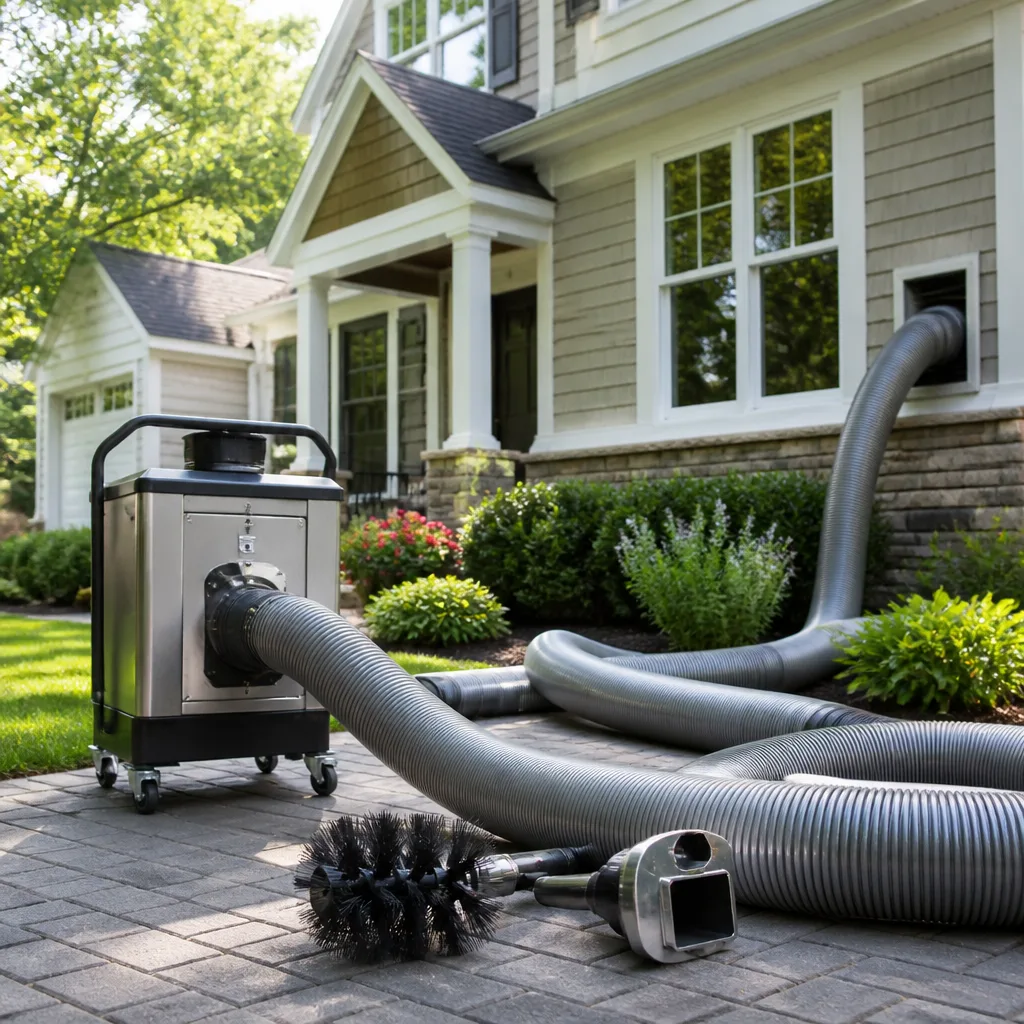
The cleaning side uses professional-grade equipment. That means Rotobrush rotary brush systems to agitate dust off duct walls rather than just blowing it around, and Nikro HEPA-vacuum rigs pulling particulate out of the system under negative pressure so it doesn’t redistribute into the living space. Abatement Technologies gear adds containment and filtration at the remediation level, which matters on jobs where mold is a concern, where a renovation just spread fine dust through the whole return side, or where allergies are the driving reason for the call. These aren’t ads you can pick up at the hardware store; they’re the toolset used in restoration work because they actually capture the fine fraction.
The repair and sealing side means air duct cleaning is followed by a check of the joints, the takeoffs, and any flexible run that’s been compressed or torn. Leaks rob the system of conditioned air and pull attic or crawlspace dust in on every cycle. If you only clean and don’t seal, you re-contaminate faster than you should have to.
The sanitizing side uses Guardsman-grade finishing products after cleaning, which is where an air-quality job differs from a “brush and go” visit. If you’re looking to improve air beyond the visit itself, authorized work with Honeywell and Aprilaire systems lets the same team upgrade your filtration or humidification after the ducts are in good shape. Clean ducts paired with a filter that can keep them that way is a system-level fix. Clean ducts alone is maintenance that repeats sooner.
Documenting Duct History for Resale in Colorado
Colorado real estate disclosures ask sellers to provide a residential property disclosure covering known conditions and material defects. Ductwork isn’t formally a required line item the way a roof or sewer line is, but a buyer’s inspector will flag obvious duct issues, and an undocumented air-quality history invites questions. A dated maintenance log is your best answer.
What a seller-side record should contain:
- Professional cleaning invoices with the date, the service performed, and the equipment used. Keep these as PDFs.
- A running maintenance log in a single note or document showing filter changes, register inspections, and any professional visits. Even a rough log is better than none.
- Filter specification for the current system, so a buyer’s inspector can match the right replacement.
- Any repair or sealing work with the date, what was sealed, and by whom.
- IAQ equipment documentation for any Honeywell or Aprilaire units in the home, including model numbers.
What does not need to be in the disclosure: routine dust seen at a register, a single smoke event, or filter changes done at home. Those are maintenance, not defects. The record is there to show the buyer that the system has been cared for, which is a different thing from a disclosure and much more useful.
One practical note for Hampden sellers: if your home is in one of the neighborhoods near major roadways, a buyer’s inspector may ask directly about particulate and filtration. A dated log showing a MERV 13 filter history and a professional cleaning is the answer. A shrug is not.
Common Mistakes to Avoid
- Following the national three-to-five-year rule blindly. In Hampden, a heavy wildfire smoke season resets the clock. If you’ve been through a significant smoke event, treat that as a cleaning trigger regardless of when your last one was.
- Replacing the filter on schedule instead of on pressure. A filter that looks fine in February may be loaded by September. Hampden dust and smoke loads don’t respect the printed interval.
- Running the system fan only on heat or cool calls during smoke events. When the air outside is bad, continuous fan circulation with a good filter is your best indoor defense. Auto-mode leaves the filter underused.
- Assuming a cheap duct “blow-out” is a cleaning. A single-pass blower that agitates dust but doesn’t capture it just redistributes it. Look for a real HEPA-vacuum setup, not just a rotary brush, and expect photos of the work before and after.
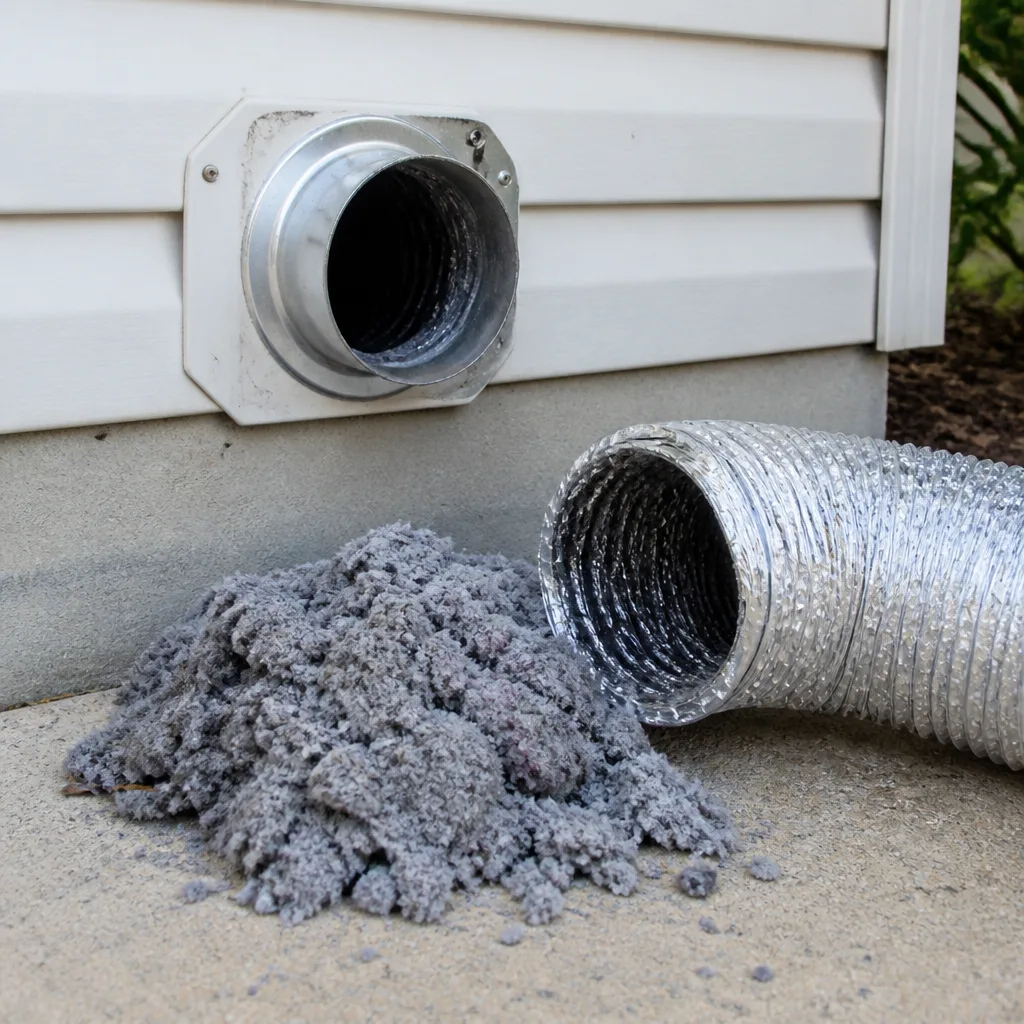
- Ignoring the dryer vent because it’s not ductwork. It is ductwork, and it’s the one run in the house where buildup is a genuine fire risk. Treat it as its own annual or semi-annual task, not an add-on.
- Cleaning without checking for leaks. A clean system with leaking joints re-contaminates from the attic or crawlspace in a few months. Sealing is part of the job.
- Skipping the humidifier check in the fall. Hampden’s heating-season air is dry, and a scaled pad means you’re paying to run a humidifier that isn’t humidifying.
When to Call a Professional
Four situations call for a professional rather than more home maintenance. First, any musty or sour odor at a return grille, because that’s the signal of microbial activity in the system. Second, visible dust re-accumulation occurring faster than every thirty days at more than one register, which points to a loaded system or an active leak. Third, any renovation in the last twelve months, because drywall dust travels much further through a forced-air system than most people expect. Fourth, the arrival of smoke season followed by a heating season with no professional clean in between, which is the Hampden combination most likely to produce a system that needs real work.
Air Duct Cleaning Hampden offers free estimates in Hampden. Call (855) 658-4374. We answer 24/7. Fast dispatch from 7am to 7pm, Sunday through Friday. The technician who arrives will assess the system, document what they find, and quote a flat price per system agreed before any work begins, with before-and-after photos so you know exactly what was done.
See the difference
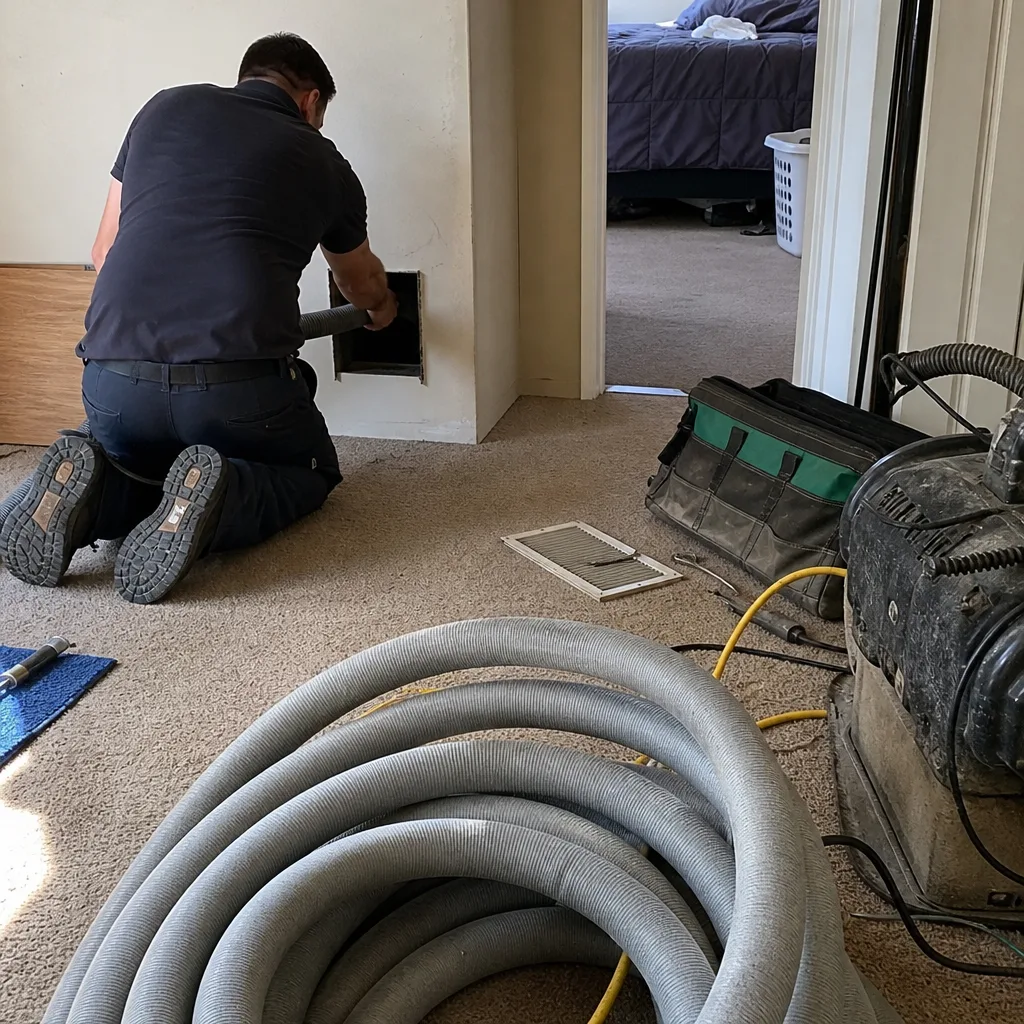 Before
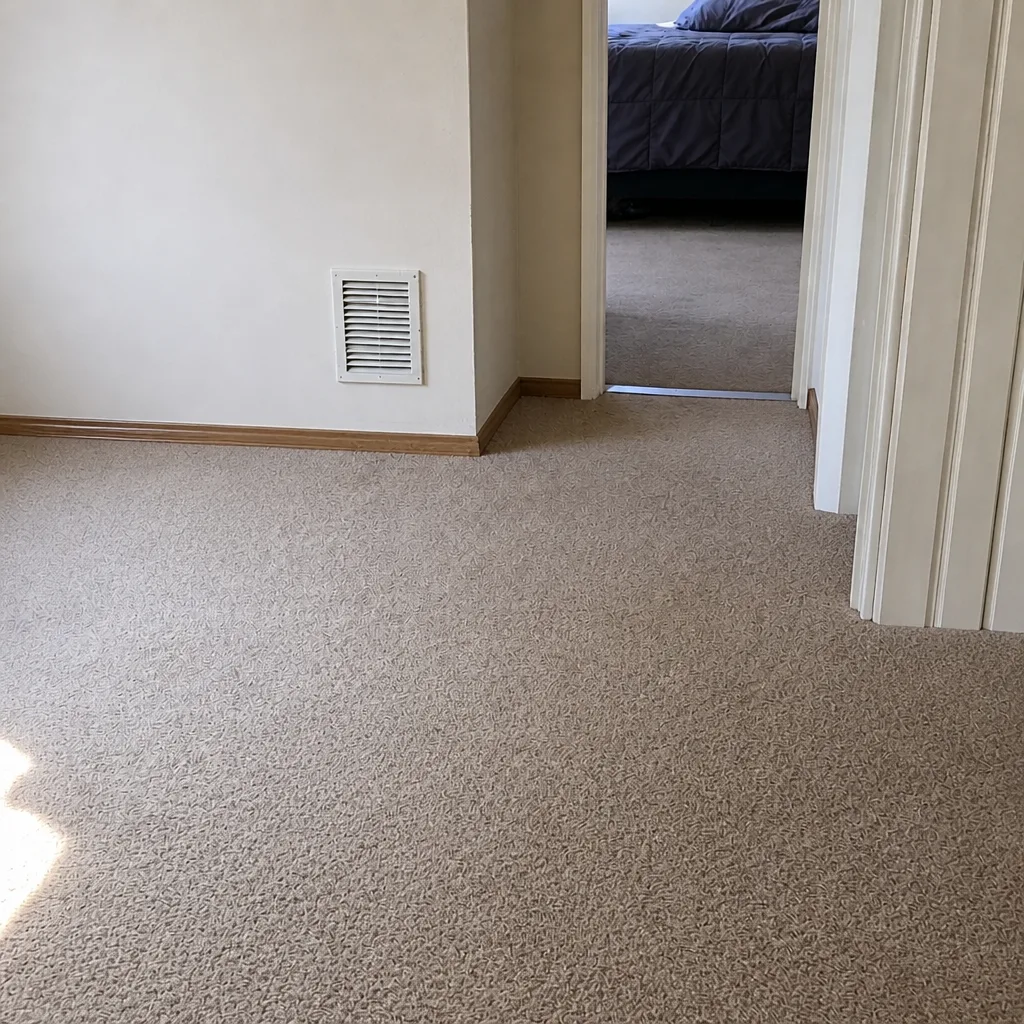 After
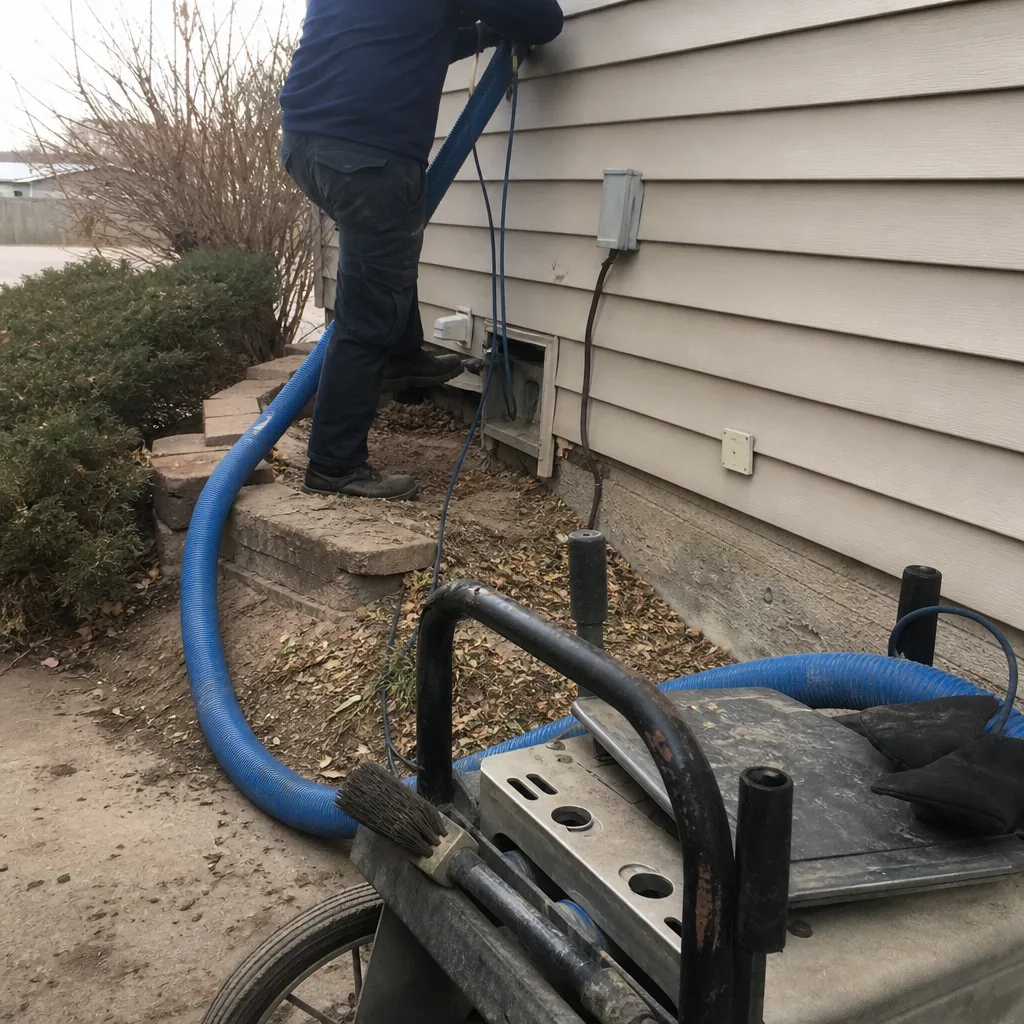 Before
 After
 Before
 After
Frequently Asked Questions
Every two to three years for a typical Hampden home, and sooner after a heavy wildfire smoke season or a renovation. The three-to-five-year rule you see in national articles assumes a stable climate; this corridor’s smoke-and-humidity swings call for a tighter cycle tied to actual events, not just the calendar.
MERV 11 to MERV 13 for most homes, with MERV 11 fine for standard situations and MERV 13 a better fit for allergy-sensitive households or homes on high-traffic corridors. Anything above MERV 13 can stress a residential blower unless the system was designed for it. Check the filter cabinet and your blower’s pressure rating before going higher.
Yes, the five-minute flashlight inspection is designed for homeowners and requires no tools on most registers. Look for sticky or fibrous buildup, rust, moisture streaks, or a musty odor at the return. If you see any of those, that’s the point to call.
A professional clean uses rotary brush agitation (Rotobrush) paired with HEPA-level negative-pressure capture (Nikro) so dust is pulled out of the system rather than moved around inside it. A shop vac can pick up what’s on the register face, but it can’t reach the interior duct walls or maintain containment for fine particulate. That’s why the equipment brands matter.
Ask for before-and-after photos of your own ducts and a written description of what was cleaned. A professional cleaning shouldn’t be a black box. If you’re quoted a flat price per system, agreed in writing before work starts, you shouldn’t see surprises on the invoice.
The cheapest quotes are usually for a single-pass blow-out with no HEPA capture and no repair check, which redistributes dust instead of removing it. The premium you see in better quotes pays for the equipment, containment, and the seal-and-sanitize steps that make a cleaning last. For an accurate picture of your system, call (855) 658-4374 for a free estimate; we answer 24/7 and dispatch from 7am to 7pm, Sunday through Friday.
The Bottom Line
A Hampden duct maintenance routine works because it’s tied to this climate’s actual stressors, not to a national template. The core habits: log three metrics weekly (odor, dust return time, HVAC runtime), do a five-minute register inspection monthly, choose filter MERV by situation rather than by price, calendar the heavy tasks to smoke season and heating season, and schedule a professional full-system service every two to three years with a proper HEPA-and-rotary-brush clean and a joint-sealing check afterward. Keep the log. It protects your system, your air, and your home’s resale story. One call covers it: ducts, dryer vents, HVAC, repair, and sanitizing.
Call Air Duct Cleaning Hampden at (855) 658-4374 for a free estimate. We answer 24/7. Fast dispatch from 7am to 7pm, Sunday through Friday. Estimates are free, the price is set per system by a written estimate before work starts, and you’ll get before-and-after photos of your own ducts.
Written by the team at Air Duct Cleaning Hampden.