
Last updated November 24, 2026
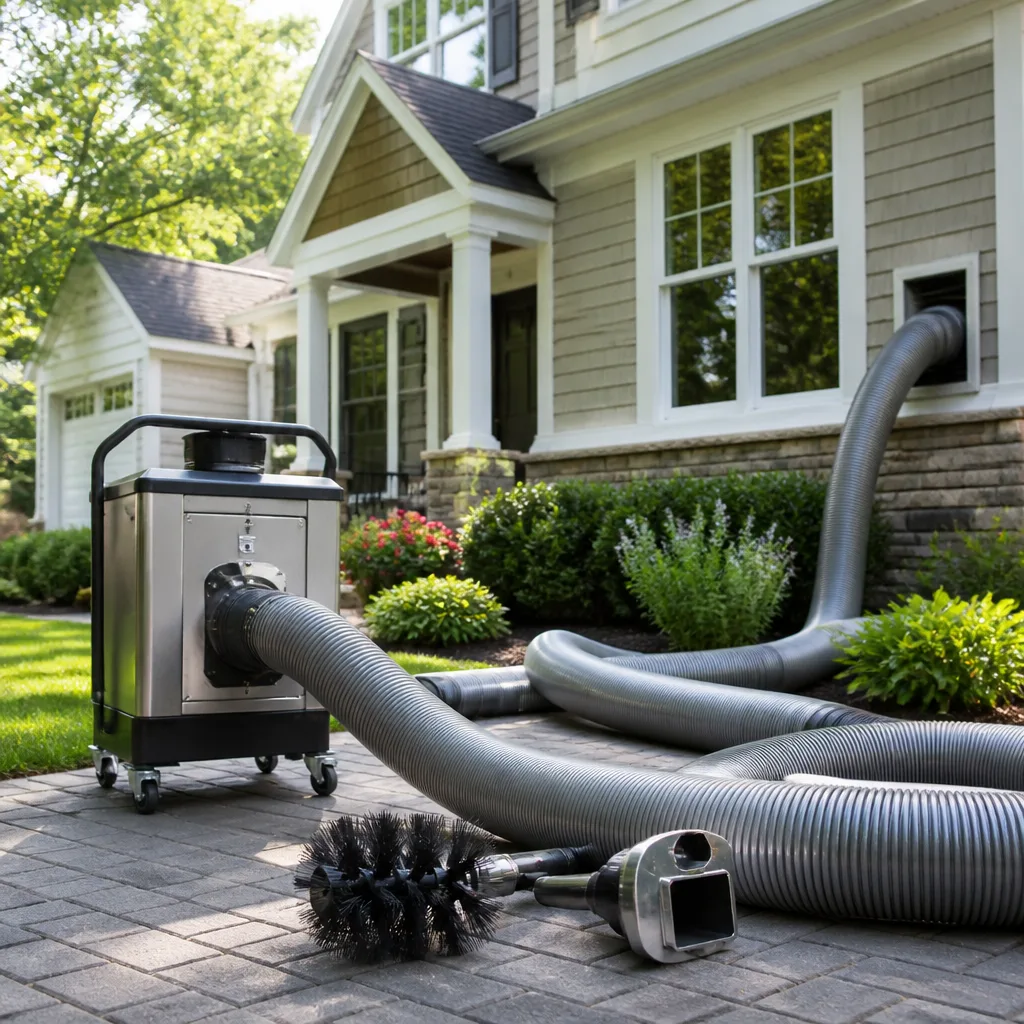 Whole-home duct cleaning
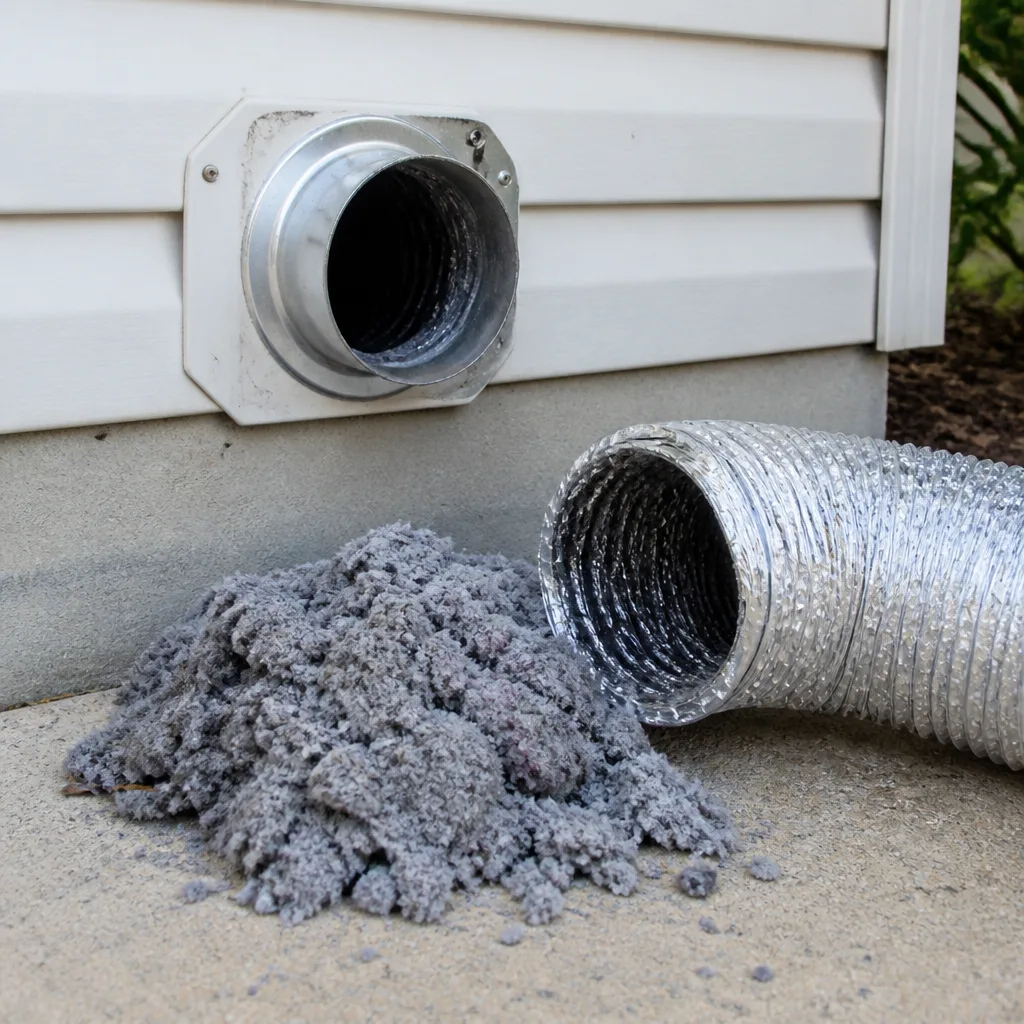 Dryer vent cleaning
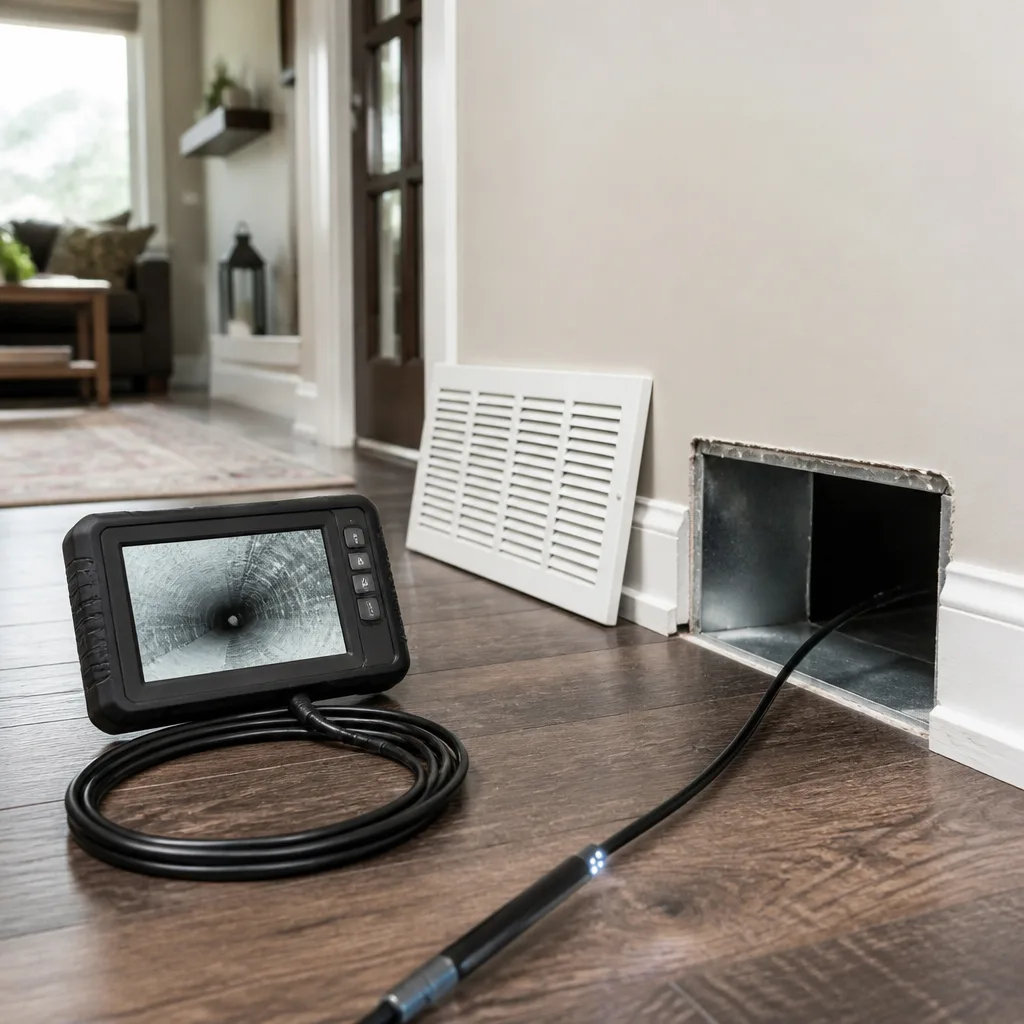 Camera inspection
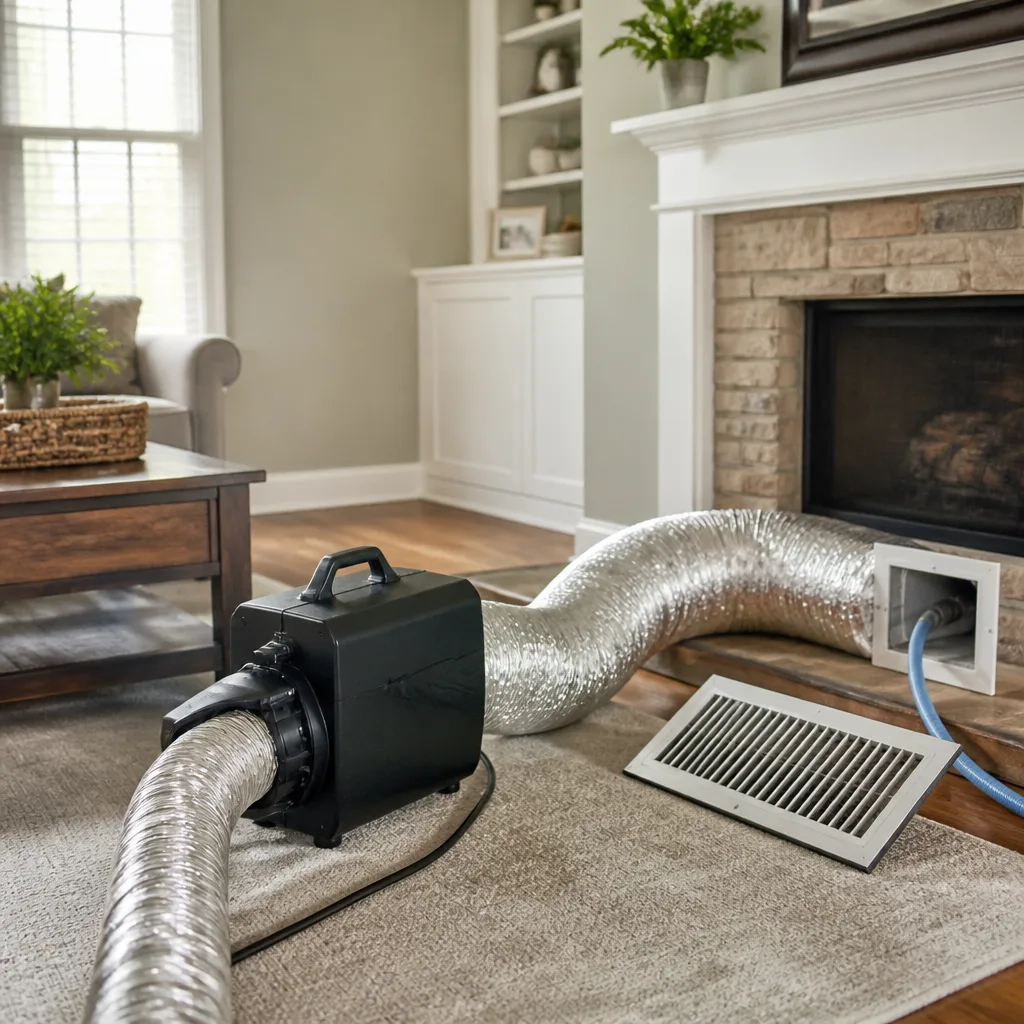 Sanitizing & deodorizing
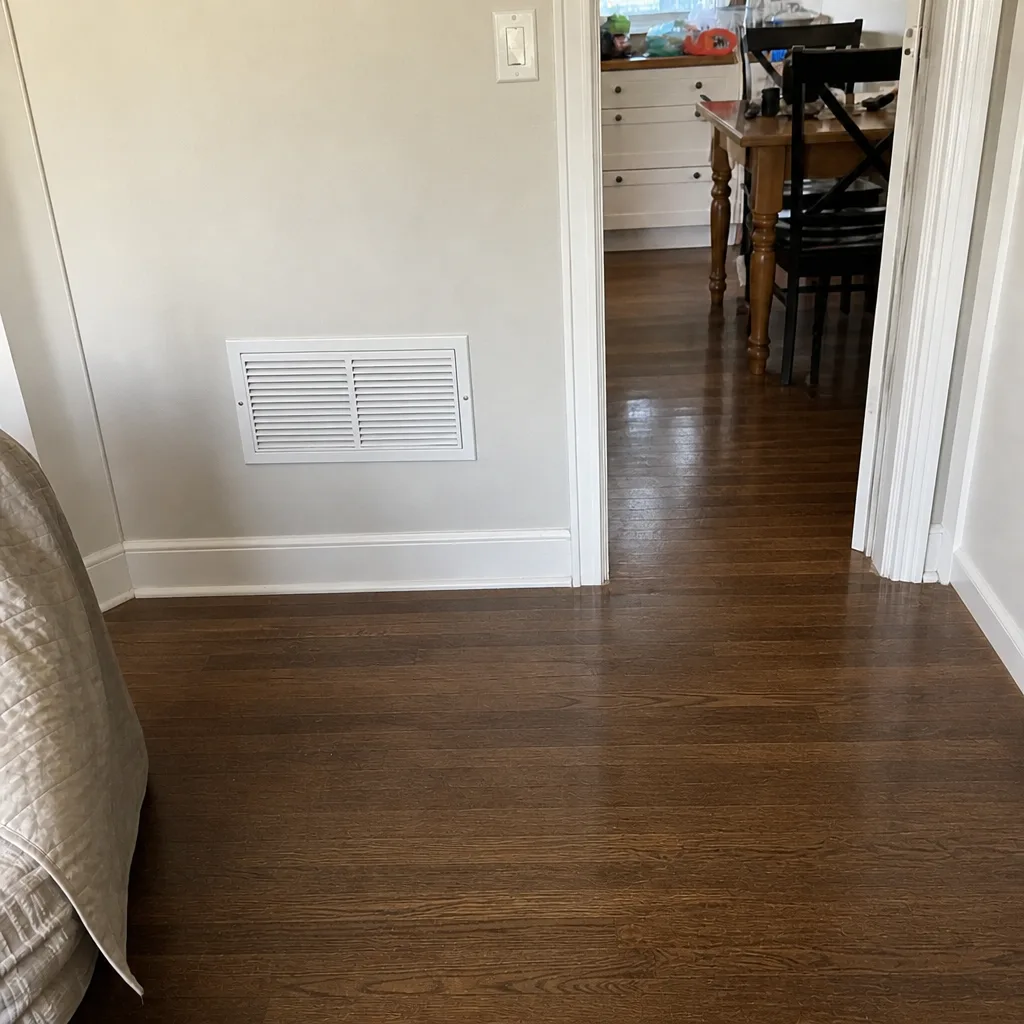
Whole-system duct and dryer vent check with before-and-after photos - you see exactly what came out of your vents
That "$99 whole-house special" is a bait ad - the real number appears once they are in your hallway, or the "clean" is a shop-vac at the register. We photograph the inside of your ducts before and after instead.
Seasonal Air Duct Cleaning Care for Hampden: Year-Round Homeowner’s Guide
Most Hampden homeowners schedule a duct cleaning when a coupon lands in the mailbox, or when someone finally notices a dusty register. That’s backwards. In Hampden, the four seasons don’t just change the temperature outside. Each one pushes a different kind of contamination into your ductwork: spring cottonwood and pollen through the return intakes, summer wildfire smoke fine enough to slip past standard filters, autumn debris that goes airborne the first time the furnace fires at full output, and winter humidity swings that open micro-gaps at duct joints. This guide lays out a seasonal care framework built on those specific events, so you’re scheduling around contamination logic instead of an arbitrary calendar. You’ll learn what each season actually does to your system, what to check, and how to time professional work for the most return.
Styles & brands we work with
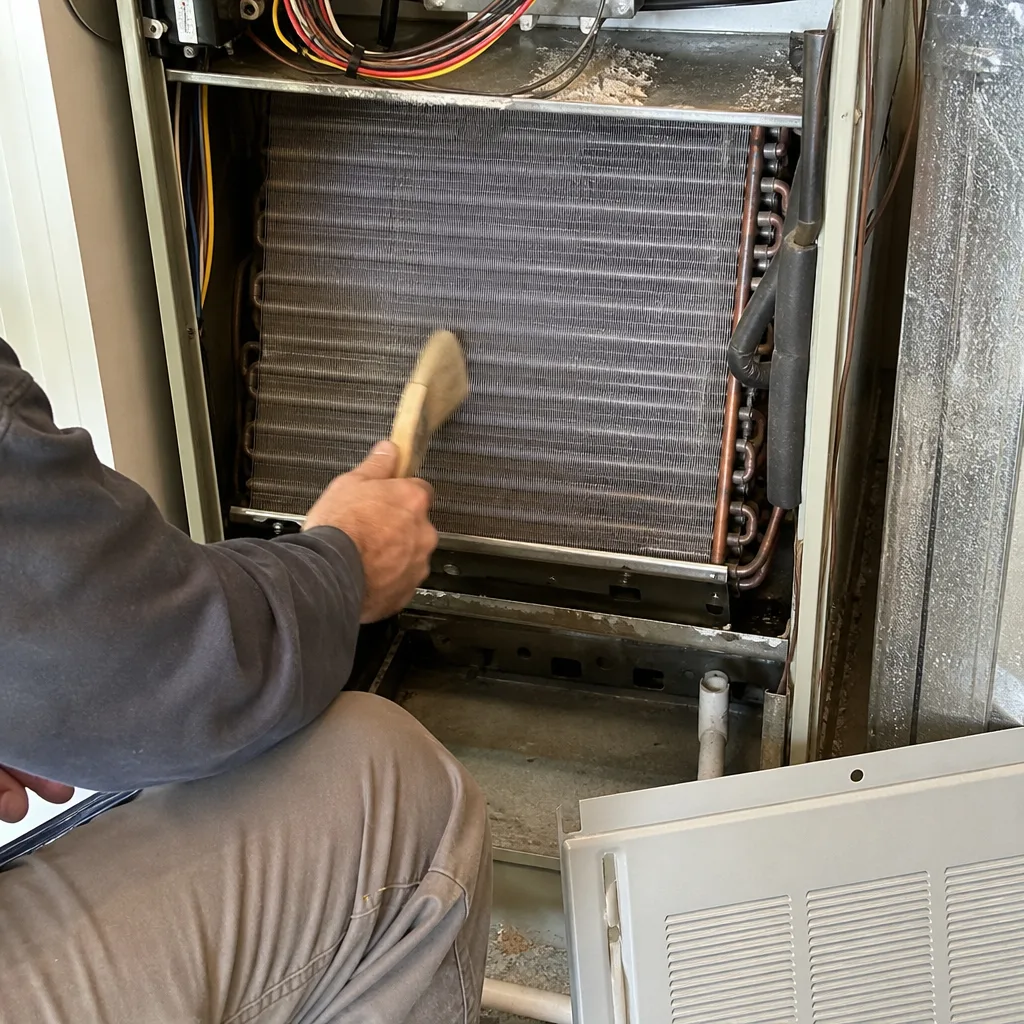
- Whole-home duct cleaning
- Dryer vent cleaning
- Camera inspection
- Sanitizing & deodorizing
Quick Answer
The best time to professionally clean ducts in Hampden is the window between wildfire smoke season in July through September and heating startup in October, so summer deposition is removed before it circulates through the house. Spring and fall filter upgrades handle pollen and smoke particles that standard filters miss, and a winter inspection catches duct-seal gaps opened by indoor humidity swings. A seasonal framework tied to these events beats a generic once-a-year recommendation. For a property-specific assessment, call (855) 658-4374 for a free estimate.
Table of Contents
- Why Hampden’s Four Seasons Each Bring a Different Problem
- Spring: Cottonwood, Pollen, and Return Intakes
- Summer: Wildfire Smoke and Particle Size
- Fall: Cleaning Before the Furnace Wakes Up
- Winter: Humidity Swings and Duct Joint Seals
- Building a Cleaning Schedule Around Hampden’s Real Calendar
- What a Professional Assessment Actually Looks At
- Common Mistakes to Avoid
- When to Call a Professional
- Frequently Asked Questions
Why Hampden’s Four Seasons Each Bring a Different Problem
Ductwork is a passive system. It doesn’t create contamination; it collects whatever the house pulls in through the return air intakes and holds onto it until airflow changes. In a place with distinct seasons like Hampden, that means the contaminant load inside your ducts changes four times a year, and each load has different particle sizes, different moisture behavior, and a different removal method.
Picture the annual cycle. Spring moves pollen and cottonwood seed into the system through open windows and running intakes. Summer pulls in wildfire smoke from regional fires, and the finest particles settle on duct walls rather than staying airborne. Fall is the first time the furnace runs at high output since spring, and it lifts months of accumulated dust off interior surfaces. Winter brings a humidity collapse indoors that contracts and stresses duct joints. Each phase leaves a different residue.
That’s why a single annual cleaning squeezed into a random month doesn’t address the cycle. A seasonal framework does. It tells you what your system is dealing with right now, and whether that’s a filter job, a seal inspection, or a full professional cleaning.
Spring: Cottonwood, Pollen, and Return Intakes
Spring in Hampden means cottonwood fluff in the air and pollen coating every surface. Both find their way into ductwork because the return air intakes act like a vacuum, and the filter is the only barrier between outdoor air and the interior of your system. A filter that’s been in place since last fall is already loaded with dust, so it fails exactly when the pollen load peaks.
This is the season for a filter upgrade, not just routine replacement. A few things worth understanding:
- Cottonwood fluff clogs fast. It’s bulky and it mats against the filter face, which raises static pressure across the system and reduces airflow to the rooms farthest from the air handler.
- Pollen particles are small enough to pass surface filters. A standard flat filter catches large debris; it doesn’t catch fine pollen. A pleated filter with a higher MERV rating captures more, though you need to confirm your blower can handle the added resistance.
- Spring is also the season returns pull hardest because windows open and the house ventilates naturally, so more outdoor particulate enters the intake path.
Check your filter every couple of weeks through pollinating season in Hampden. If you can see a visible mat of fluff, it’s done. Pair filter management with an inspection of your return intakes for visible debris buildup around the grille; that’s an early signal the ducts themselves are loaded. If you want the interior of the system cleaned before pollen season, schedule it in late winter so the ducts are clean when the load arrives. Learn more about what our air duct cleaning involves, or call (855) 658-4374 with questions about filter compatibility.
Summer: Wildfire Smoke and Particle Size
Summer in Hampden brings wildfire smoke season, and the particles that matter most are in the 0.3 to 2.5 micron range. That’s fine enough to exhaust the capture capability of a standard MERV-8 filter in most residential HVAC systems. When the filter lets those particles through, they enter the duct system and deposit on interior surfaces, and they build up over weeks of smoke events.
Why does the size matter so much? A few specifics:
- 0.3 to 2.5 micron particles stay suspended longer and travel deeper into the duct run before they settle. That means deposition isn’t limited to the first few feet past the filter.
- MERV-8 is a compromise rating. It’s designed to protect the equipment, not to achieve fine-particle capture. It catches the larger smoke particulates and lets the smallest through.
- The deposited layer is sticky. Smoke particles carry combustion byproducts that adhere to duct surfaces and to the fan blades, which reduces airflow and puts more load on the blower.
For homes in Hampden affected by smoke, the practical answer is a filter strategy plus a professional cleaning after the worst of the season. A higher-MERV filter captures more, but only if the system can handle it, and only if the ducts are clean enough to hold the increased airflow. If you want to address smoke deposition inside the system, our HVAC cleaning service covers the air handler, coils, and duct interior together, since smoke residue on the coil reduces heat transfer as well. For properties that need containment-level filtration during cleaning, we use Abatement Technologies equipment to hold particles rather than redistribute them through the house. Call (855) 658-4374 to talk through your smoke exposure.
Fall: Cleaning Before the Furnace Wakes Up
Fall is when the furnace fires back up, and the first high-output heating cycle lifts everything that settled in the ducts over the summer. That includes the smoke particles, the dust, and the pollen residue. Every bit of it becomes airborne in the first hot-air cycle and blows into living spaces. This is why the window between the end of smoke season and heating startup is the highest-value professional cleaning window in Hampden.
Here’s what a fall cleaning plan should look like:
- Schedule the cleaning before the first cold snap. That means late September or early October in Hampden, ahead of the first heating-cycle activation.
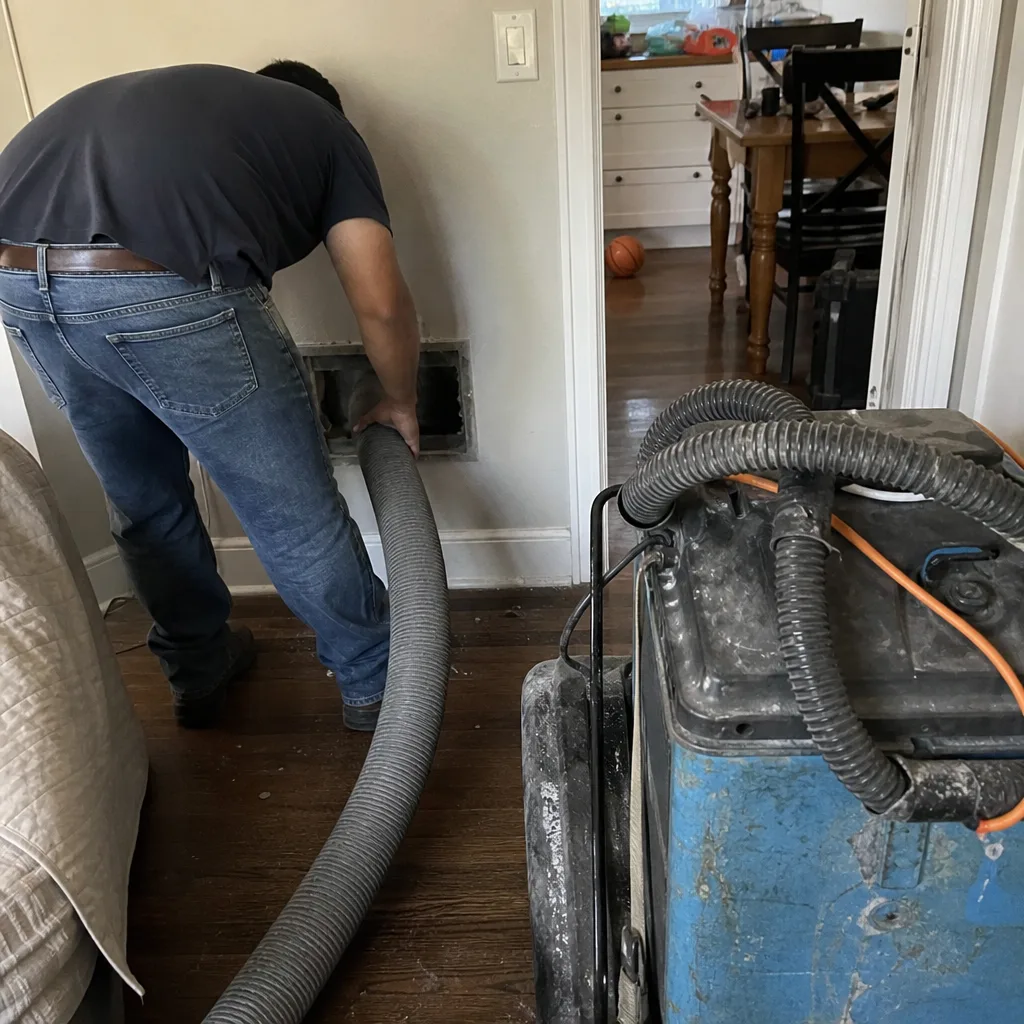
- Have the ducts cleaned with professional-grade equipment. A rotary brush system reaches the duct walls and lifts deposited material; a HEPA vacuum rig contains it. We use Rotobrush rotary brush systems and Nikro HEPA vacuum rigs for exactly this reason.
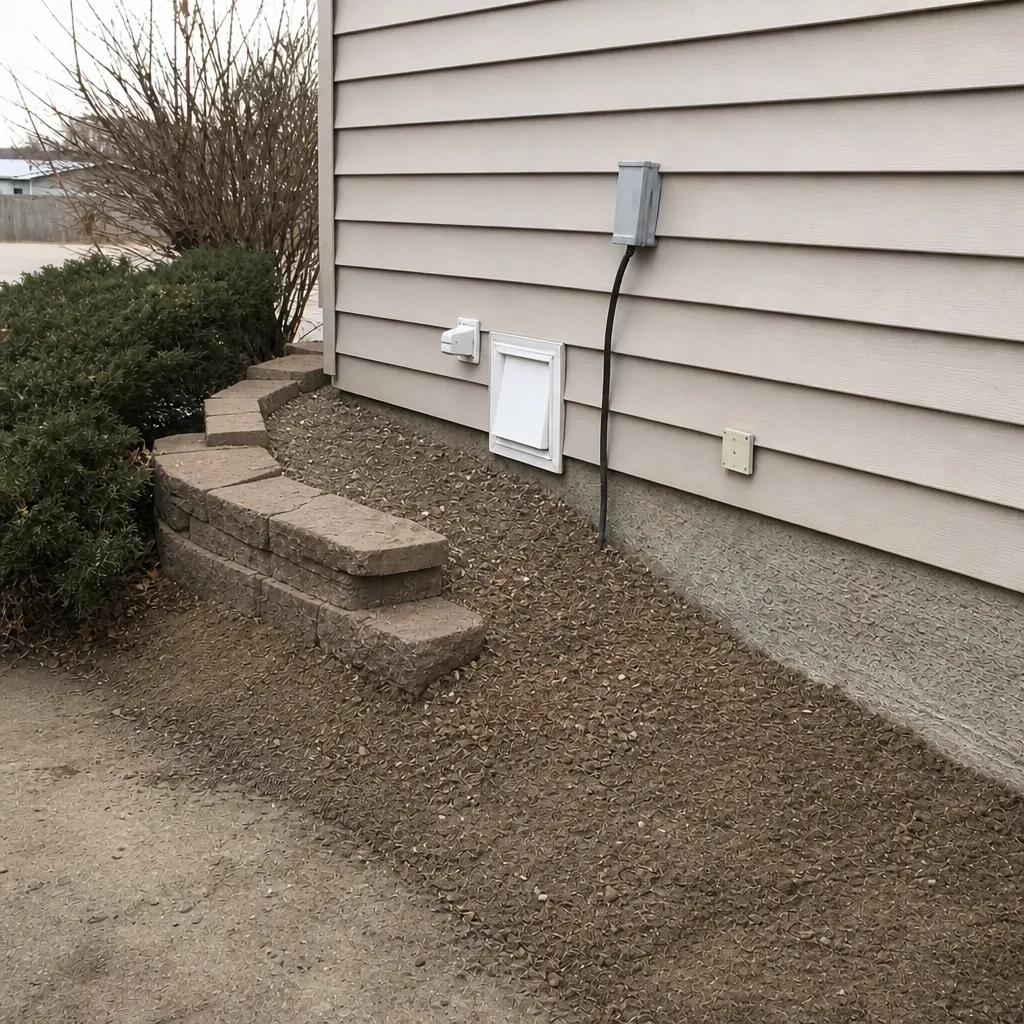
- Inspect and seal any leaks found during cleaning. Cleaning is wasted if the system leaks air through joint gaps. That’s why we pair cleaning with duct repair and sealing work.
- Replace the filter after cleaning, not before. A clean duct system with a fresh filter is the right starting point for heating season.
If your furnace hasn’t been cleaned in a few years, the air handler and coil deserve attention at the same time. Our Air Duct Cleaning Hampden service team handles the full system, including the furnace side, so nothing recontaminates the clean ducts. Call (855) 658-4374 to schedule fall cleaning before heating season starts.
Winter: Humidity Swings and Duct Joint Seals
Winter in Hampden is the season of indoor humidity collapse. Cold outdoor air holds almost no moisture, and heating it further drops relative humidity inside the house to levels that stress many building materials. For ductwork, that means the sealant and tape at joints can shrink slightly and the gaps at flex-duct fittings can open. Every micro-gap is a leak point that lets heated air escape into unconditioned spaces and pulls unconditioned air back in.
Why this matters more than it first seems:
- Leakage compounds the heating load. The furnace runs more often to make up for escaped air, and the ducts expand and contract more with each cycle.
- Flex duct is more vulnerable. Older flex duct is held together at its inner liner by connection bands and tape. Repeated thermal cycling in winter stresses those connections more than the rest of the system.
- Leaks pull in air from crawlspaces and attics. That air may be dusty, cold, or connected to a damp environment, all of which reintroduces particulates or moisture into the duct interior.
Winter is the season for an inspection, not a full cleaning. Have your duct joints checked, especially at the plenum and the start of long runs. Any detected leakage should be sealed with the right material and confirmed with a pressure reading. That’s a job for a trained technician; sealing ductwork while the system runs is more involved than it looks, and we cover it with our duct repair and sealing service. If you hear a whistling register or a room that never heats like the others, that’s often a leak, not a furnace problem. Call (855) 658-4374 to have it looked at.
Building a Cleaning Schedule Around Hampden’s Real Calendar
Half the professional cleaning work in Hampden gets scheduled at the wrong time of year because of a coupon calendar rather than a contamination calendar. Here’s a schedule built around Hampden’s actual event cycle rather than an arbitrary “once a year” rule.
- January – February: filter and seal inspection. Post-holiday, mid-winter, check duct joints and filter load. Cheap inspection, catches leaks early.
- March – April: pollen season filter management. Replace filters every two weeks during the peak pollen and cottonwood run. Inspect return intakes for visible debris.
- May: optional pre-summer cleaning. If the previous fall cleaning was skipped, clean the system now so smoke season doesn’t deposit on dirty surfaces.
- June – September: smoke season monitoring. Keep filters fresh. Note any visible soot or residue at registers. Avoid opening windows on heavy smoke days.
- September – October: full professional cleaning. This is the primary annual cleaning window. Clean, inspect, and seal ahead of the first heating cycle.
- November – December: post-cleaning verification and duct seal check. Confirm airflow at each register, inspect joints as the humidity drops, and note any room that’s underperforming.
Homes with pets, allergy sensitivity, or recent renovation should compress this schedule to two professional cleanings per year, typically one in spring and one in fall. The rest of the schedule stays the same. For a full-system cleaning paired with sanitizing, the work fits naturally into the fall window.
What a Professional Assessment Actually Looks At
A professional inspection isn’t a visual peek down a register. It’s a check of the whole system: the return plenum, the main trunk, the branch runs, the air handler and coil, and the dryer vent if it shares a wall. Each area gets checked with a specific expectation.
Here’s what a proper assessment covers with professional equipment:
- Interior duct surface condition. A rotary brush system and camera allow confirmation of what’s on the walls of the duct, not just at the grille.
- Containment during the cleaning. A HEPA-level vacuum holds particulate during the process. We use Nikro HEPA rigs and Abatement Technologies equipment when the job requires remediation-level filtration, such as after mold or a renovation.
- Seal integrity. Leak points at joints and connections, checked with a pressure gauge or smoke pencil where appropriate.
- Filtration and IAQ components. If the system runs a Honeywell or Aprilaire filtration or humidity component, it needs to be checked and cleaned separately.
- Sanitizing treatment. Where contamination suggests biological growth, a Guardsman-grade sanitizing treatment can be applied after cleaning and drying.
If the home has a dryer vent that runs any distance from the dryer to the exterior, that’s a fire safety concern checked during the visit. Our dryer vent cleaning service covers the full run, not just the lint trap area. All of this is included in a free estimate, so call (855) 658-4374 to schedule an assessment.
Common Mistakes to Avoid
- Cleaning only during a coupon promotion. If the schedule is set by the timing of a discount rather than the contamination cycle, the system is being cleaned at the wrong moment, not maintained. Fall is the Hampden window that matters most.
- Relying on MERV-8 during smoke season. Standard filters protect equipment, not air quality. Upgrading without confirming blower capacity can create other problems, so check compatibility first.
- Skipping the seal inspection after cleaning. Cleaning a duct system with leaks means the air escapes before it reaches the room, and the leaks reintroduce dust. Cleaning and sealing belong together.
- Treating winter duct leakage as a furnace problem. Rooms that underperform in winter are often a duct joint issue, not a heat output issue. Check the ducts before replacing equipment.
- Maximizing filter MERV rating without considering pressure drop. A filter that’s too restrictive reduces airflow and can strain the blower. Match the filter to the equipment.
- Ignoring the dryer vent. It’s the highest fire-risk component of the residential air system, and it’s often skipped when the HVAC company doesn’t do dryer vent work. Make sure it’s on the annual inspection list.
- Assuming a filter replacement is a substitute for duct cleaning. Filters have a role; they don’t clean the ducts. Deposition on duct surfaces stays where it settled until it’s physically removed.
When to Call a Professional
Call for ducts when the schedule points to cleaning, when you see visible dust or lint around registers or intake grilles, when a room consistently underperforms for heating or cooling, or when there’s been a renovation, water intrusion, or smoke exposure. Allergy-sensitive occupants and property managers with multiple units should schedule a professional assessment at least once yearly. If you’re hearing whistling at registers, seeing soot at the vents after summer, or dealing with a dryer that takes longer to dry, those are all call triggers.
Air Duct Cleaning Hampden offers free estimates in Hampden. Call (855) 658-4374 to book an assessment. Estimates are free, and the written estimate sets the price before any work begins. Our technicians have up to 14 years of experience, and we use professional-grade equipment that most residential-only cleaners don’t invest in.
Frequently Asked Questions
Once per year for most Hampden homes is the baseline, timed to the fall window between smoke season and heating startup. Homes with allergies, pets, or recent renovation benefit from two cleanings, one in spring and one in fall. Homes on a heat pump or with heavy year-round occupancy may need the same increased frequency. Call (855) 658-4374 for a free estimate on a schedule tailored to your system.
Fall is the best window because it comes after the summer wildfire smoke season and before the first high-output heating cycle. That’s the point when deposited smoke residue, pollen, and dust are in the system but haven’t yet been lifted into living spaces by the furnace. Cleaning then sends the heating season into clean ductwork, which is more effective than cleaning after heating has already distributed the accumulated debris. Call (855) 658-4374 to book a fall cleaning before the first cold snap.
Standard MERV-8 filters are designed to protect HVAC equipment, not to achieve fine-particle capture. The smallest smoke particles, in the 0.3 to 2.5 micron range, largely pass through a MERV-8 filter, which is why they deposit in ductwork during smoke events. A higher-MERV filter captures more, but only if the blower can handle the added static pressure. Call (855) 658-4374 if you’re unsure what your system can support.
Winter humidity collapse stresses duct joints by contracting sealant and tape slightly, which can open micro-gaps at connections. That’s more of an issue for older flex duct and taped joints than for rigid metal. It’s the reason winter is the season for a seal inspection, not for cleaning. Call (855) 658-4374 to schedule an inspection if you notice whistling registers or rooms that don’t heat evenly.
Look for a rotary brush system that reaches duct walls and a HEPA-level containment vacuum that holds particles during the work. We use Rotobrush rotary brush systems and Nikro HEPA vacuum rigs, and for sensitive jobs such as post-renovation or mold-affected properties, we use Abatement Technologies equipment for containment-level filtration. Sanitizing is done with Guardsman-grade products when biological growth is a concern. Call (855) 658-4374 to talk through what your property needs.
Yes, if the dryer vent hasn’t been cleaned in the last year or two. The dryer vent is the highest fire-risk component of the residential air system, and it’s a job many HVAC companies skip. Having it done during the same visit saves a separate appointment. Call (855) 658-4374 for a combined estimate.
The Bottom Line
Ductwork in Hampden collects four different kinds of contamination across the year, and each one peaks in a different season. Spring brings cottonwood and pollen through the returns and demands filter upgrades. Summer loads the system with wildfire smoke fine enough to defeat standard filters. Fall is the highest-value cleaning window, before the first heating cycle lifts months of deposition into the house. Winter is the season to inspect and seal duct joints as humidity drops. Build your schedule around those events rather than marketing coupons, pair cleaning with sealing and sanitizing, and check the dryer vent at the same time. Call (855) 658-4374. We answer 24/7. Fast dispatch from 7am to 7pm, Sunday through Friday.
Written by the team at Air Duct Cleaning Hampden.
See the difference
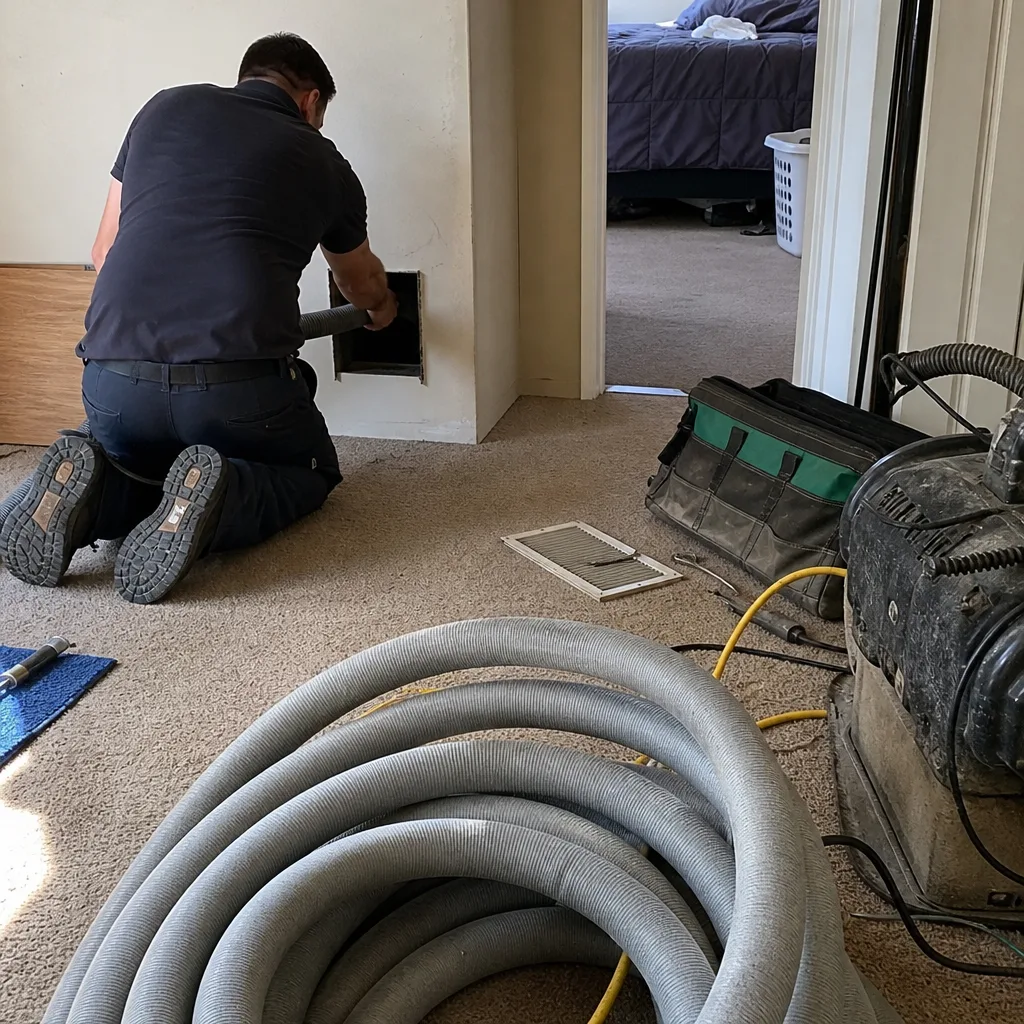 Before
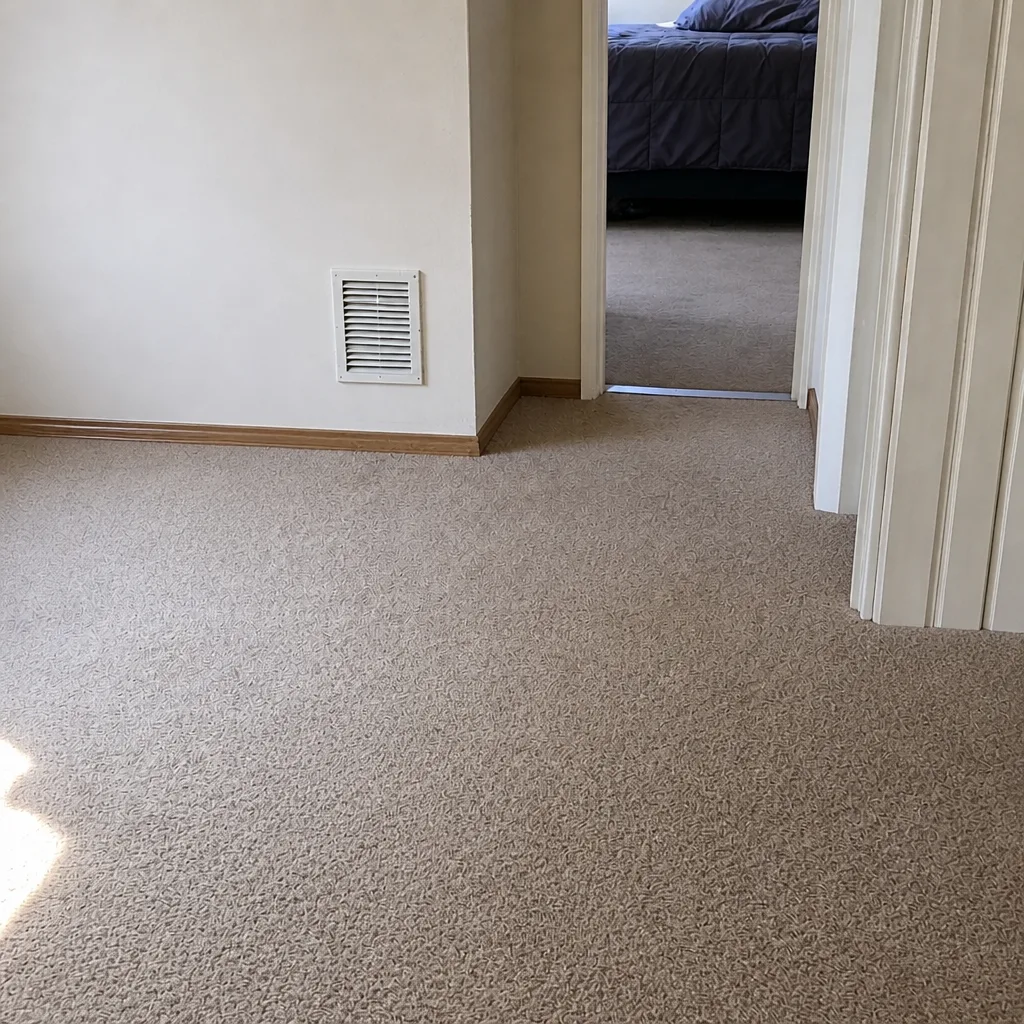 After
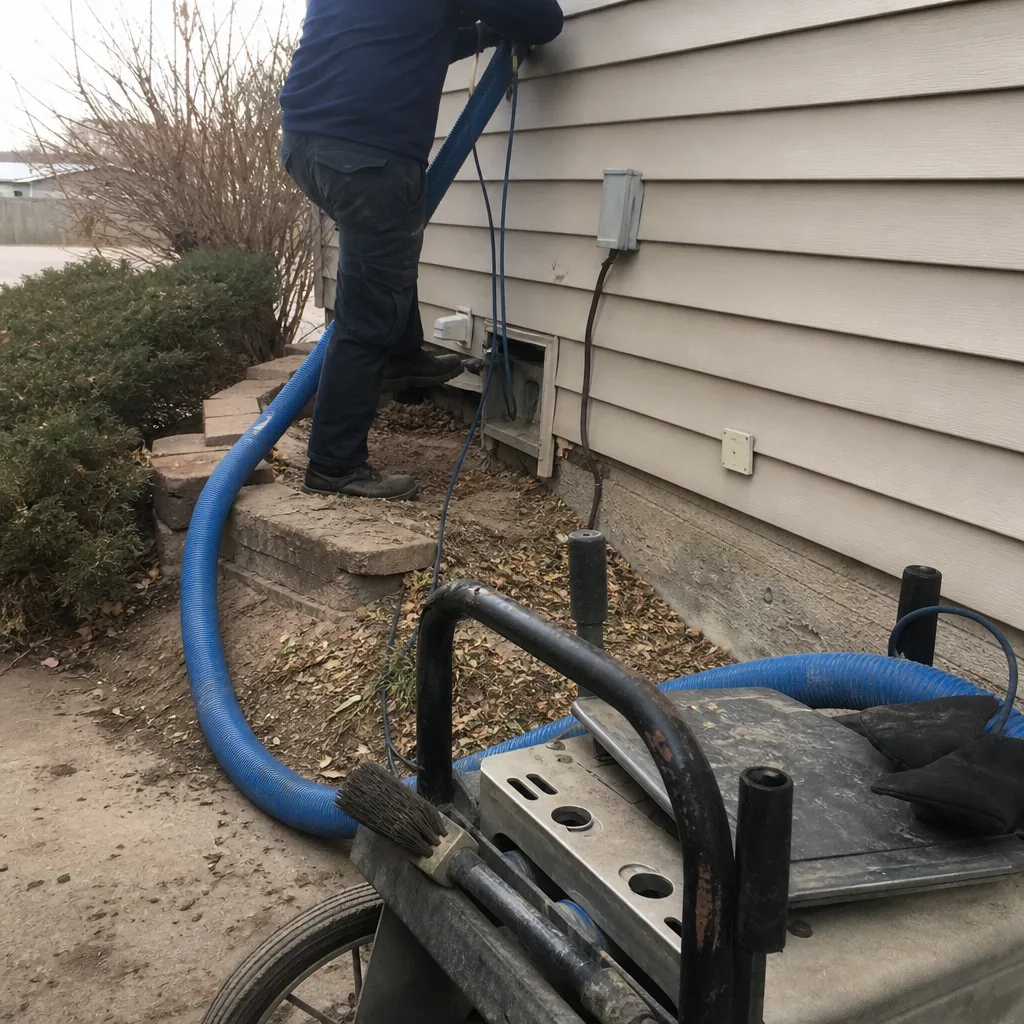 Before
 After
 Before
 After