
Last updated November 24, 2026
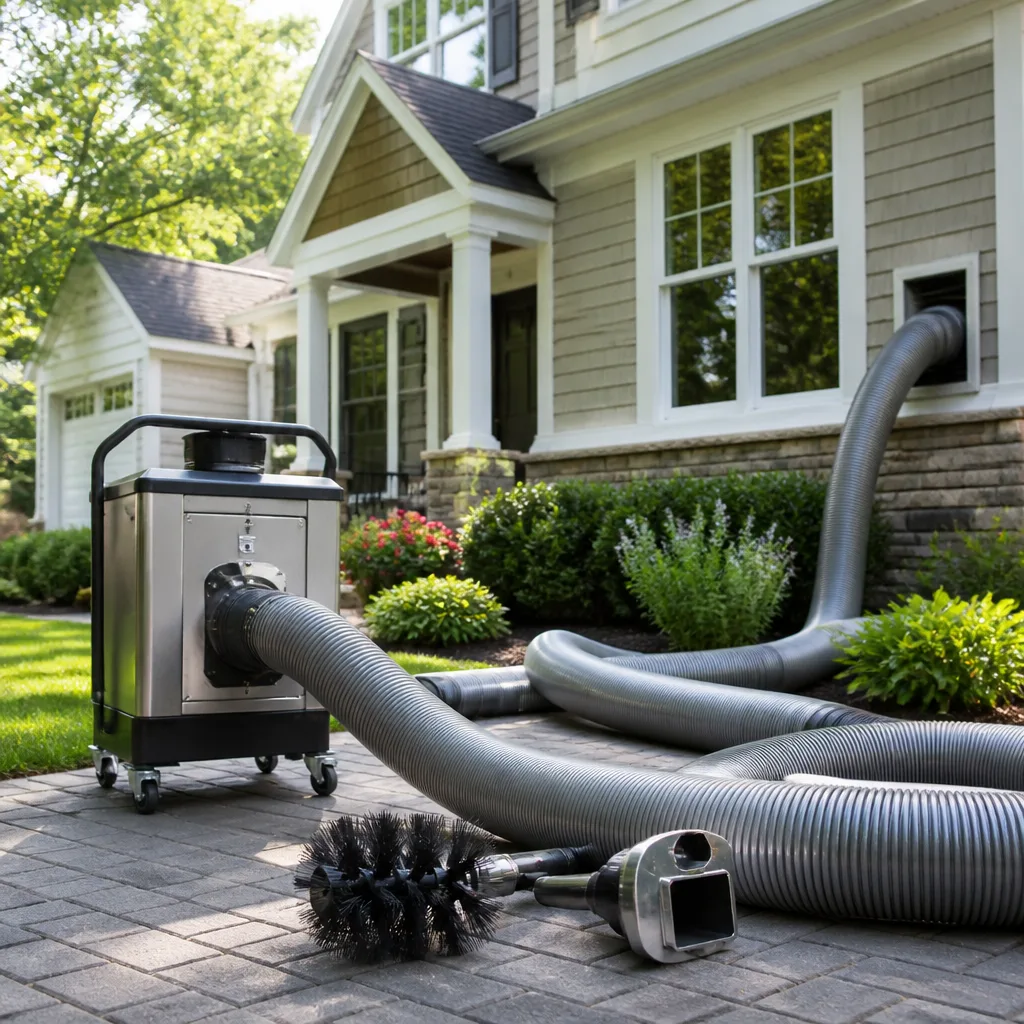 Whole-home duct cleaning
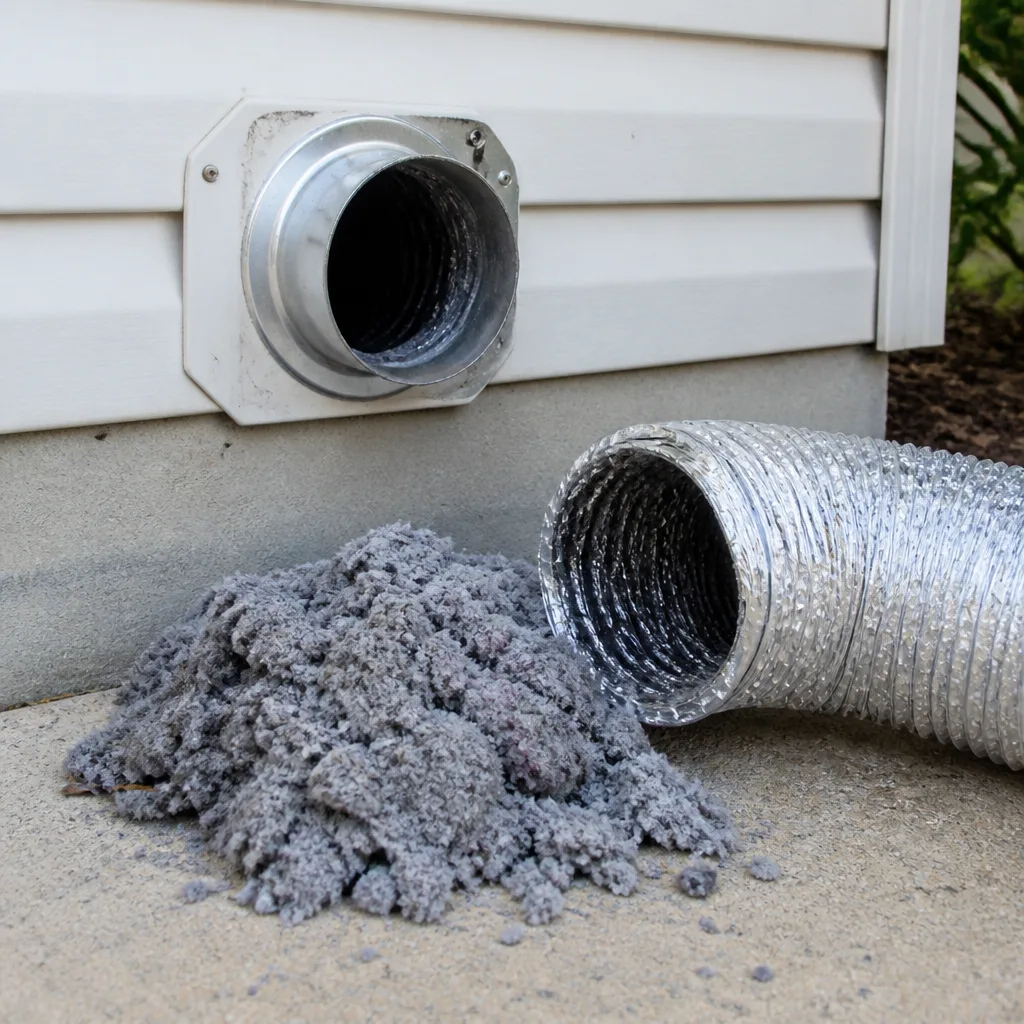 Dryer vent cleaning
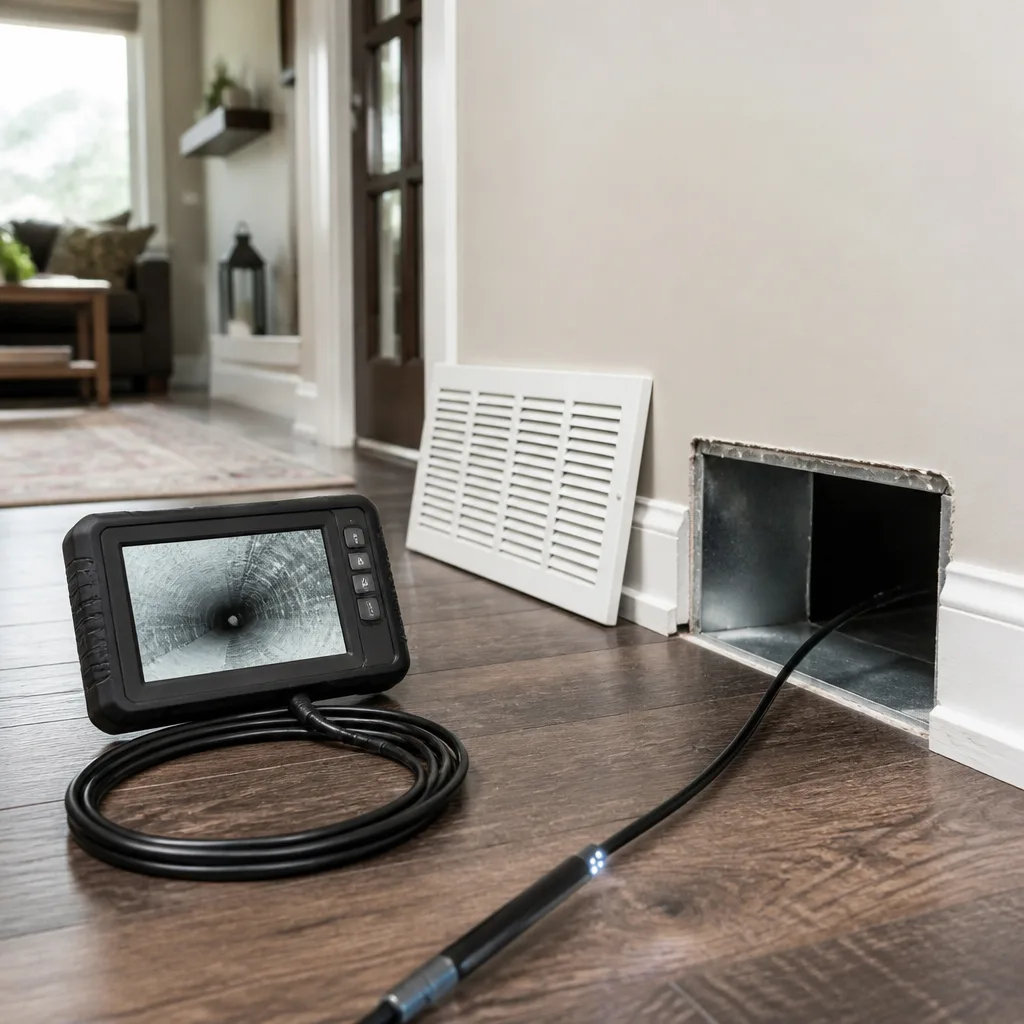 Camera inspection
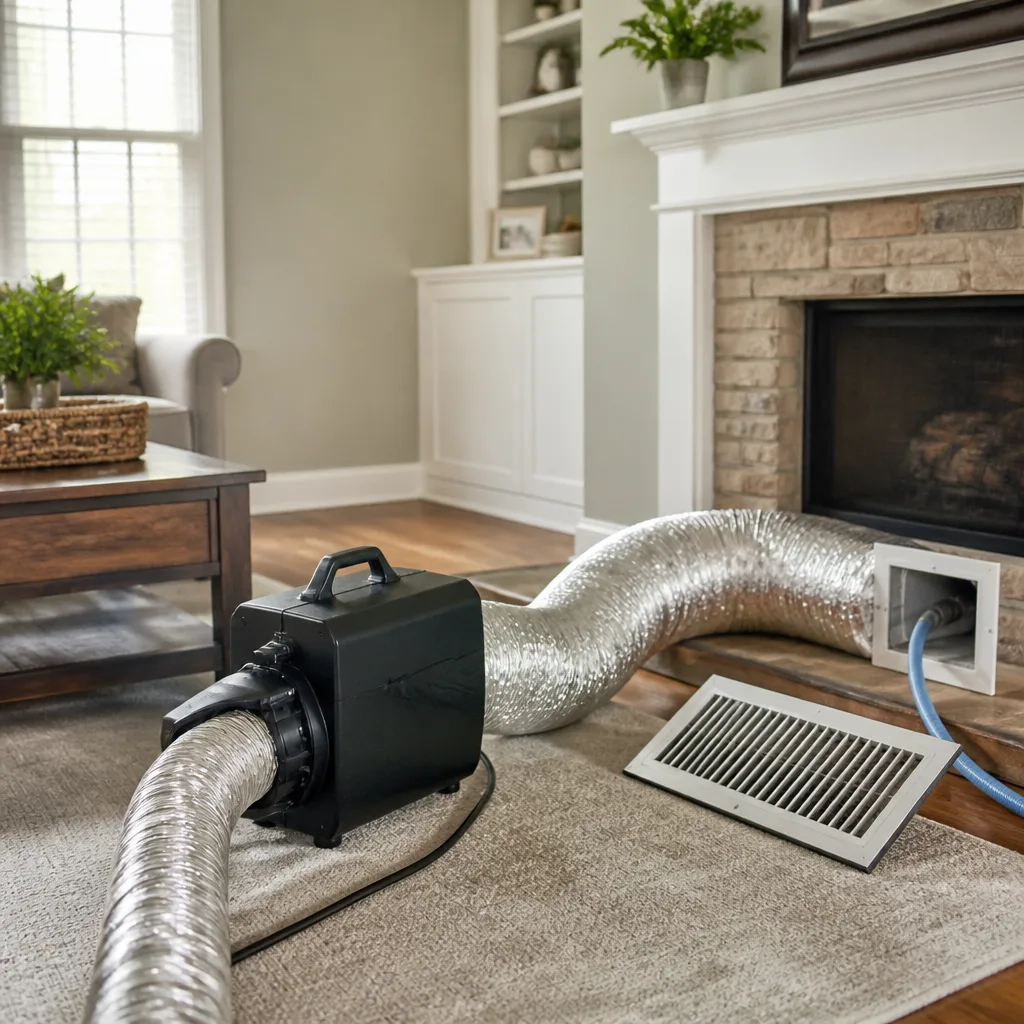 Sanitizing & deodorizing
Whole-system duct and dryer vent check with before-and-after photos - you see exactly what came out of your vents
That "$99 whole-house special" is a bait ad - the real number appears once they are in your hallway, or the "clean" is a shop-vac at the register. We photograph the inside of your ducts before and after instead.
The Complete Guide to Air Duct Cleaning in Hampden
Most homeowners picture air duct cleaning as one step: a machine attaches to a vent, dirt goes away, the air feels cleaner. That picture leaves out the two things that decide whether a cleaning lasts. If you don’t address the leaks in the duct system, or the microbial growth feeding on the dust, the same contaminants you just removed can settle right back into the same pathways. This guide maps the full duct ecosystem as we approach it in Hampden – cleaning, sealing, sanitizing, and verification – so you understand exactly what a real job involves, what the equipment actually does, and how to tell a thorough service from a surface-level one.
Quick Answer
Air duct cleaning in Hampden is a multi-step, source-removal process: negative air and rotary brush equipment pull and scrub contaminants out of the entire duct system, weak seams and joints are sealed so the work holds, and the result is verified with before-and-after photos and airflow readings. A single vacuum pass without sealing or inspection is not a complete cleaning. Professional-grade equipment and a written process are what separate a lasting job from a temporary one.
Styles & brands we work with
- Whole-home duct cleaning
- Dryer vent cleaning
- Camera inspection
- Sanitizing & deodorizing
Table of Contents
- Why Hampden’s Climate Strains Ductwork Differently
- Source Removal vs. Blow-and-Go: How to Read a Quote
- What Professional Equipment Actually Does
- Why Duct Sealing Belongs in the Same Visit
- Sanitizing and the Air Quality Step
- How to Read a Post-Service Verification
- The Full Process, Step by Step
- Common Mistakes to Avoid
Why Hampden’s Climate Strains Ductwork Differently
Hampden sits at elevation on Colorado’s semi-arid Front Range, and that geography changes how ductwork collects and holds dust. The air here is dry for most of the year, which means dust stays light and airborne longer instead of settling to the floor and staying there. It drifts through return grilles and filters, and any gap in the duct system pulls it in from unconditioned spaces like attics and crawlspaces. Over a heating and cooling season, that adds up to a steady load inside the ducts.
Low relative humidity also drives static buildup. Dry air is a poor conductor, so dust particles pick up static charge as they move through metal and flex ductwork, which makes them cling to duct walls instead of passing through. That clinging layer is what a simple air mover can’t lift. It has to be mechanically scrubbed, which is one reason Hampden homes often need rotary brush work rather than a straight vacuum pass. The dry climate also affects sealing: constant expansion and contraction on heating and cooling cycles can open small gaps at seams and joints over time.
Compared with lower-altitude Front Range cities, the combination of high elevation and semiarid air in Hampden tends to produce more airborne particulate and more static-attracted dust on duct surfaces. Those aren’t reasons to panic. They’re reasons to look at duct condition as a system rather than an occasional chore. Our technicians work in this climate alongside homeowners dealing with allergy sensitivities, post-renovation dust, and older HVAC systems, and the pattern is consistent: the homes that maintain their ductwork get more out of their HVAC than the ones that only vacuum the registers.
If you want a fuller picture of what a standard cleaning visit involves in this area, our air duct cleaning Hampden page covers the basics before you go deeper into the sections below.
Source Removal vs. Blow-and-Go: How to Read a Quote
Source removal means the contaminants are physically removed from the duct system and captured, not just loosened and pushed into the living space. That’s the standard the industry is built around, and it’s what separates a real cleaning from what’s often called blow-and-go. Blow-and-go uses a blower or shop vacuum to disturb dust inside the ducts without a containment system, so some of it ends up in the air of the rooms. A quote that mentions only “agitation” or “air washing” without mentioning vacuum capture or containment is usually describing a lighter, quicker method.
When you read a quote for duct cleaning in Hampden, check whether it describes these elements:
- Negative pressure: A vacuum source creates suction on the whole system so dust moves toward the collection point instead of into the rooms.
- Containment: HEPA filtration or negative air equipment traps fine particles during service, important for mold concerns or post-renovation dust.
- Mechanical agitation: Rotary brush systems scrub the duct walls where dust clings, rather than relying on airflow alone.
- All components addressed: Supply and return ducts, registers, grilles, the air handler, and accessible plenum areas, not just the vents you can see.
- Sealing and inspection: A source-removal job looks at duct integrity and addresses leaks rather than leaving them open.
If a quote reads as a flat per-vent price with no mention of equipment or containment, that’s a signal the scope is thin. You want a written scope that names the method and the equipment, and a flat price per system agreed before work starts. Transparency on both is the difference between a professional process and a teaser number that changes once the technician is on site.
What Professional Equipment Actually Does
The gap between a professional duct cleaning and a light household pass is mostly in the gear. A shop vacuum attached to a flex hose can pull loose debris from a vent opening, but it can’t create negative pressure in a whole duct system, can’t scrub a dust layer that has bonded to the duct wall, and can’t contain fine particles the way HEPA filtration does. That difference matters more in a dry, dusty climate like Hampden’s, where duct walls hold a stubborn film.
Here’s what the professional-grade tools in our arsenal do:
- Rotobrush rotary brush systems: A rotating brush is fed through the duct run to mechanically scrub caked dust and debris off the walls. It’s the same class of tool used in commercial and restoration work, not the consumer blowers you see in rental shops.
- Nikro HEPA vacuum rigs: High-efficiency filtration vacuums capture fine particulate rather than recirculating it. HEPA-level capture keeps the job clean in the rooms and prevents dust from redistributing during the process.
- Abatement Technologies equipment: Negative air machines and HEPA filtration units create containment and airflow control, so contaminants move toward the collection point and stay captured. That’s remediation-level capability, useful when there’s mold concern or dust from a recent renovation.
Professional equipment doesn’t just mean a bigger machine. It means the process can pull dust out under control instead of pushing it around. When a team invests in this class of gear, it also signals they’re set up for the whole system, not just a single vent. Full-system scope is one reason we handle air duct cleaning as a connected set of steps rather than a one-pass job, and it ties directly into the sealing and sanitizing sections below.
Why Duct Sealing Belongs in the Same Visit
If you clean the ducts but leave the leaks open, you haven’t solved the problem. Duct systems leak at seams, joints, and connections, especially in attics and unconditioned spaces where temperature swings work the joints open. Every gap is an entry point for dust from outside the duct system and an escape point for conditioned air. A cleaning clears the contamination, and a leak lets new contamination back in. That’s why sealing belongs in the same service window as cleaning: both are part of making the system hold.
What sealing actually does:
- Closes entry points: Sealing seams and joints where ducts pass through unconditioned space keeps dust from being drawn in on the return side.
- Preserves your HVAC efficiency: Leaky ducts push conditioned air into the attic instead of the rooms, so sealing helps the system deliver what it produces.
- Protects the cleaning result: Cleaned ducts stay cleaner longer when the system is a closed loop rather than a sieve.
The order matters. Sealing after cleaning makes sure you’re not sealing dust and debris into the system, and it makes sure the surfaces you just scrubbed are protected. Homeowners in Hampden with older HVAC systems often find this is the step that changes how the house feels day to day. If the ducts are sealed and the HVAC itself is due for service, cleaning the air handler and coil at the same time is a natural pairing – our HVAC cleaning service covers that component, and it’s often scheduled alongside duct work.
Sealing isn’t a cosmetic fix. It’s the step that makes a cleaning a repair of the system, not just a rinse.
Sanitizing and the Air Quality Step
Cleaning removes the physical debris. Sanitizing addresses what can grow on the surfaces that remain. In a dry climate like Hampden’s, microbial growth is less about ambient humidity and more about local conditions inside the system: a damp evaporator coil, condensate issues, or a history of water intrusion can create pockets where mold and bacteria settle in. When the ducts are cleaned and sealed, a finishing treatment can help keep those surfaces under control, which matters for allergy sensitivities and anyone sensitive to musty odors.
Our sanitizing step uses Guardsman-grade protective and sanitizing products, applied as part of the finishing process, not a standalone service paid for up front. It’s part of the same system-level approach. Sanitizing without cleaning would be treating the surface without removing what’s feeding the growth, and cleaning without sanitizing leaves the conditions that allow it to come back. The two work as a pair.
We also install and service recognized indoor air quality brands like Honeywell and Aprilaire, so if the home has a whole-house humidifier, a media filter, or another IAQ component connected to the duct system, the service can include checking and improving those components rather than treating them as unrelated. In Hampden’s dry air, a proper humidification setup can make a noticeable difference inside the home; it’s also a point where air quality, duct condition, and the HVAC system all meet. Fixing the ducts and then ignoring the equipment attached to them is a partial job.
How to Read a Post-Service Verification
A cleaning you can’t verify is a cleaning you’re taking on faith. Verification is the closing step of a professional job, and it’s what lets you confirm the work actually happened and the system is behaving correctly. In our experience, the components of a solid verification fall into three groups.
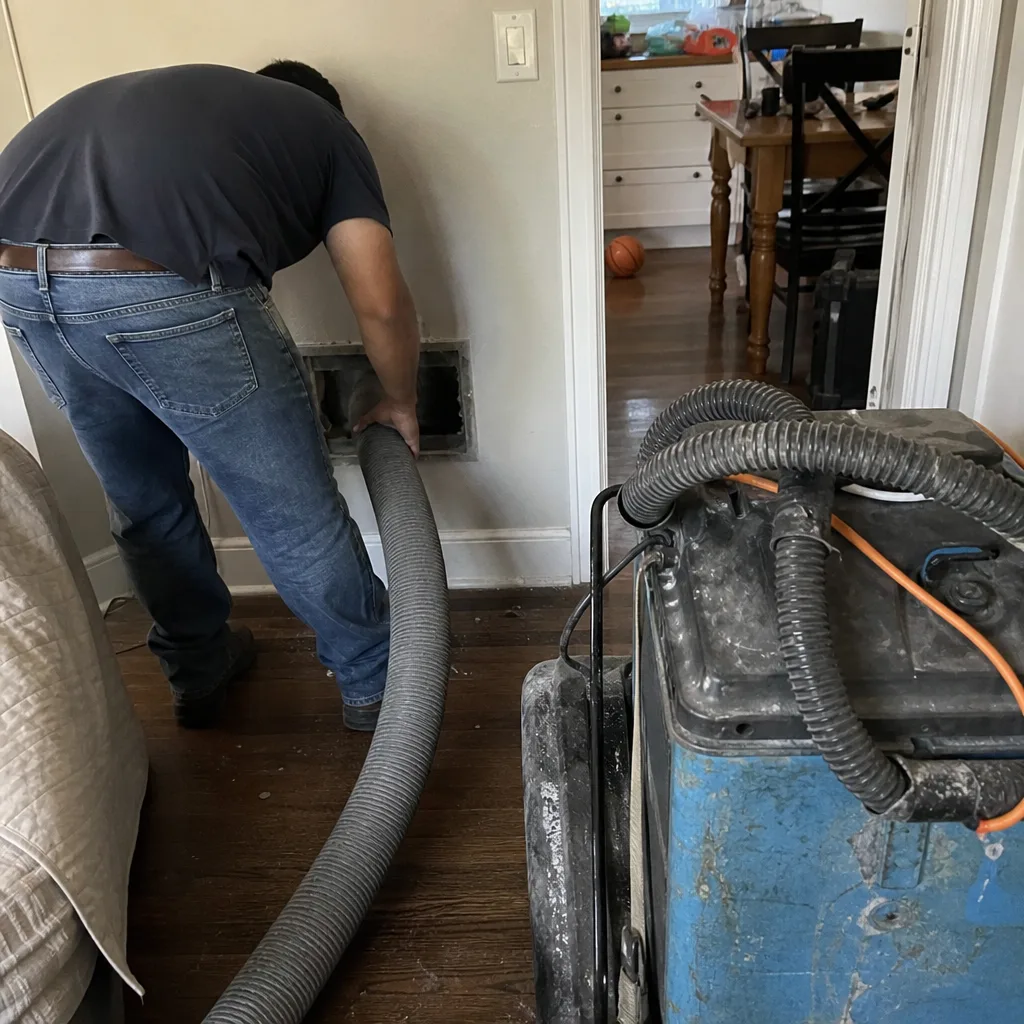
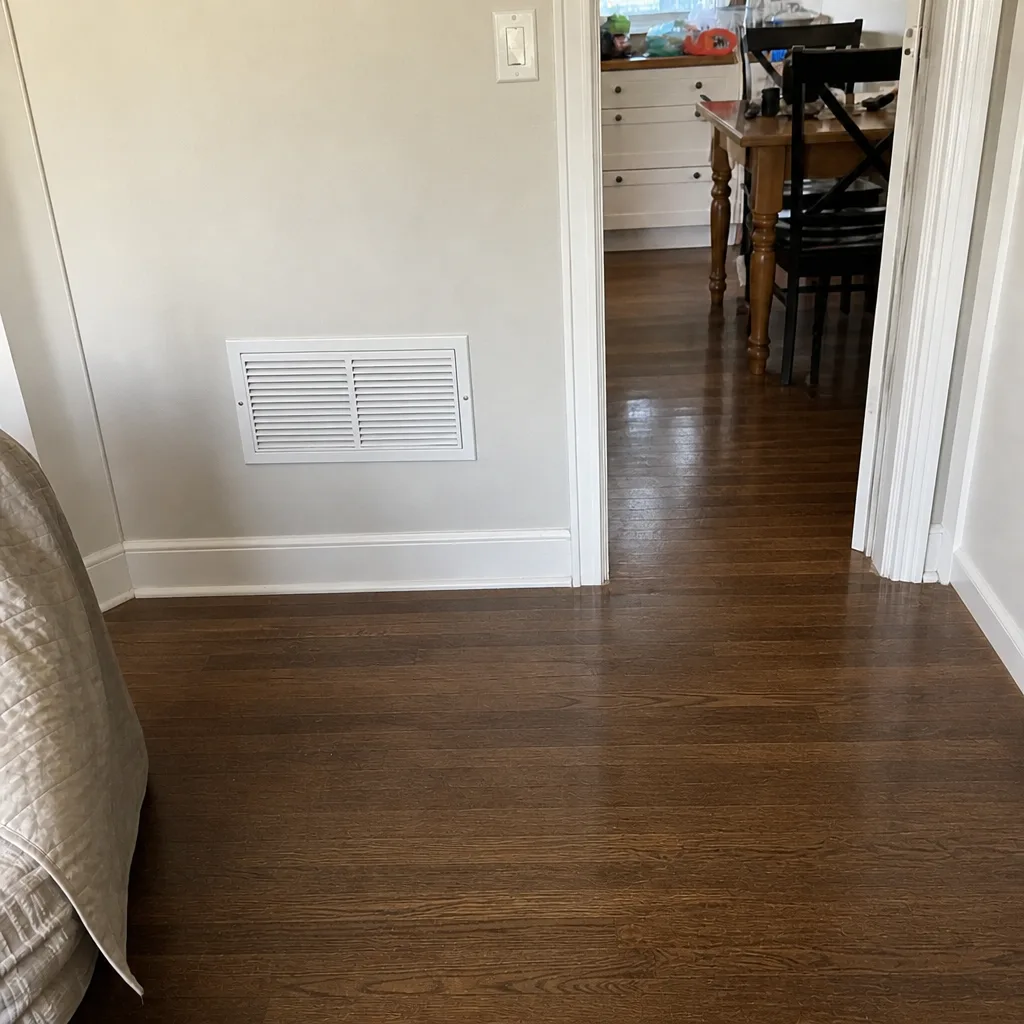
- Before-and-after photos of your own ducts. Not stock images. Photos of the accessible runs, the air handler, and the returns, taken before the brush work and after, so you can see what was removed and what the surfaces look like at the end.
- A visual inspection report. A written summary of what was found: the condition of the duct material, any leaks identified and sealed, any areas that needed a repair, and the condition of registers and grilles.
- Airflow measurements. Readings at registers that show the system moving air as it should. Airflow readings corroborate what the cleaning and sealing were supposed to accomplish, and they give you a baseline for future comparison.
Ask for all three. A service that can’t produce photos of the actual ducts or describe what was sealed is a service you can’t evaluate. When we finish a job in Hampden, our goal is a record the homeowner can read and understand, not a technician’s summary. If you’re comparing quotes from different teams, ask whether verification is included, and how it’s documented.
The Full Process, Step by Step
Here’s how a system-level cleaning unfolds, in order. The sequence matters because each step protects the next.
- Inspection and scope. We assess the duct system, identify leak points, look for signs of microbial growth or moisture, and photograph the accessible runs. The written estimate sets a flat price per system before any work begins.
- Setup and containment. Negative air equipment and HEPA filtration establish controlled airflow so dust moves toward collection and stays captured. Attached components like the air handler are protected.
- Agitation and scrubbing. Rotary brush systems work through the supply and return runs, mechanically lifting the dust layer. The vacuum rig captures what the brush frees.
- Component cleaning. Registers, grilles, the air handler, and accessible plenum areas are addressed, not just the visible vent faces.
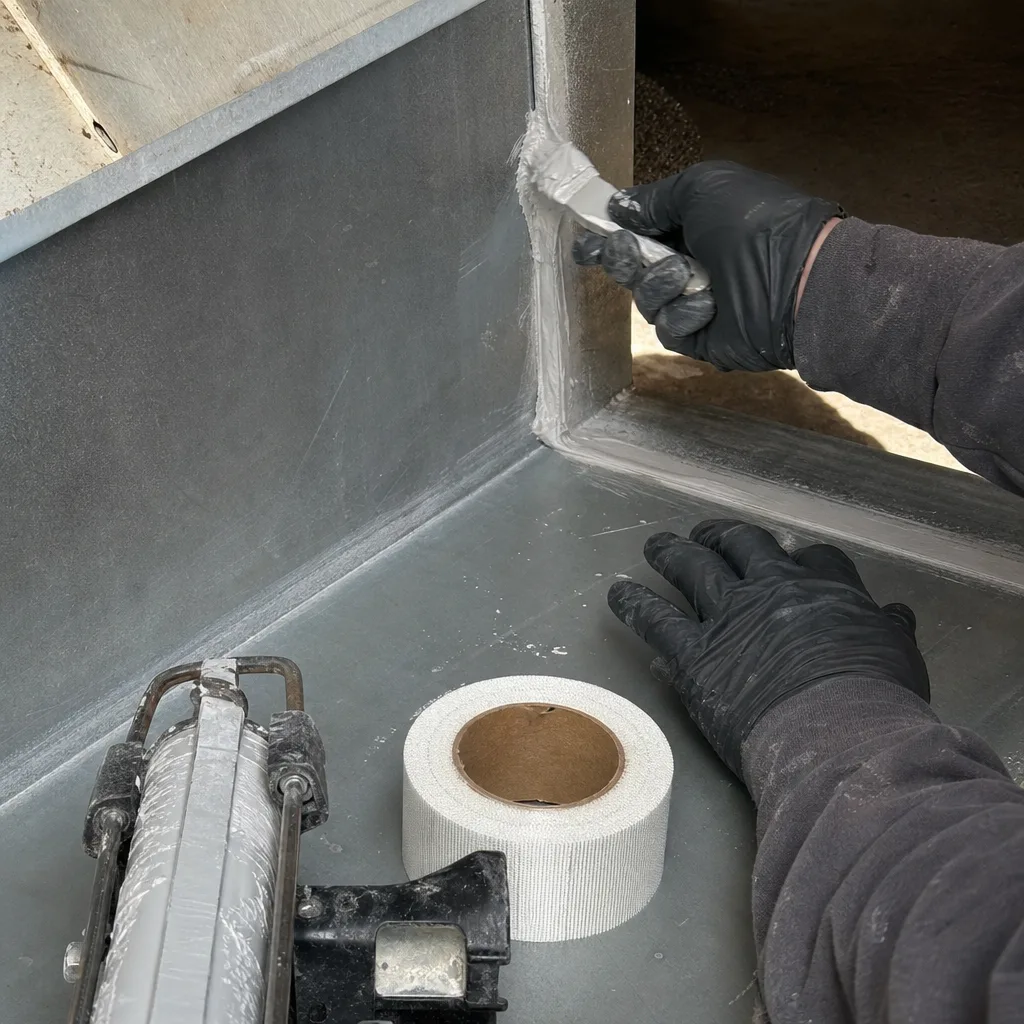
- Sealing. Identified leaks at seams and joints are sealed at the same visit, closing the entry points that let contamination return.
- Finishing treatment. Guardsman-grade products are used where sanitizing or protective finishing is appropriate, particularly where growth conditions were found.
- Verification and handover. Before-and-after photos, a written inspection summary, and airflow readings are provided so the homeowner has documentation of the finished job.
The sequence is the same whether it’s a single-family home in Hampden or a rental property with multiple units. Dryer vent cleaning is often added in the same visit as a separate safety service. Lint buildup in a dryer vent is a recognized fire hazard, and it’s a job most pure HVAC companies skip. Handling it as part of the same appointment, rather than tacked on after a duct clean, keeps the whole system – air and venting – in one service window.
You can read about that on its own at dryer vent cleaning, including how the process differs from duct work.
Common Mistakes to Avoid
- Booking a cleaning without sealing. A clean system with open leaks is a temporary fix. Ask whether sealing is included or available in the same visit.
- Judging a quote by price alone. A per-vent teaser price usually reflects a lighter method with no containment or verification. A flat price per system, agreed in writing, is the fair comparison point.
- Skip the photos. If the team can’t show you before-and-after images of your own ducts, you can’t confirm the work. Ask before you book.
- Treating sanitizing as a standalone add-on. Sanitizing without cleaning doesn’t remove the material that feeds growth. It belongs at the end of a cleaning, not instead of one.
- Ignoring the dry, static-prone conditions in Hampden. A simple air-mover pass won’t scrub the dust film that clings to duct walls in this climate. Look for rotary brush work.
- Forgetting the dryer vent. A clogged dryer vent is a safety issue, not a cleaning afterthought. Include it when the ducts are done.
- Assuming the HVAC components are separate. The air handler, coil, and IAQ equipment work with the ducts. A full-system visit addresses all of them.
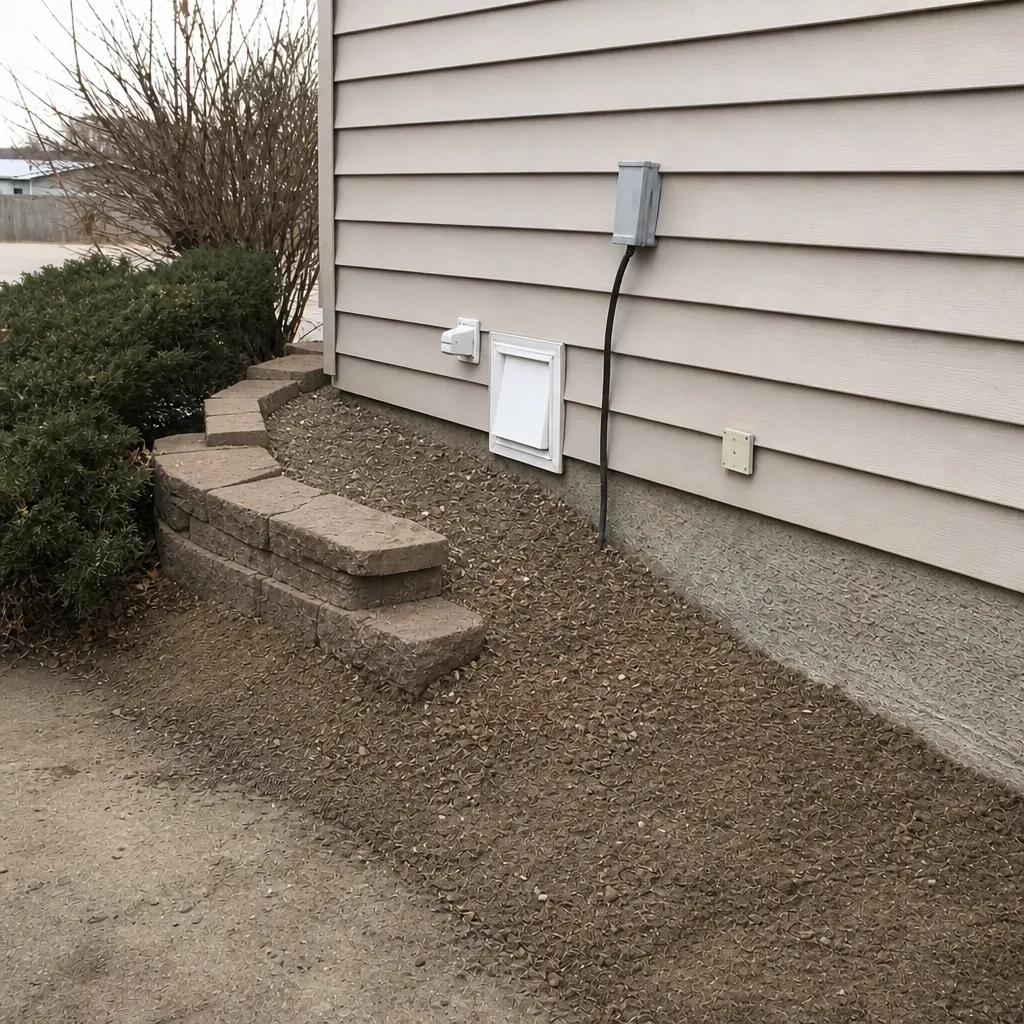
See the difference
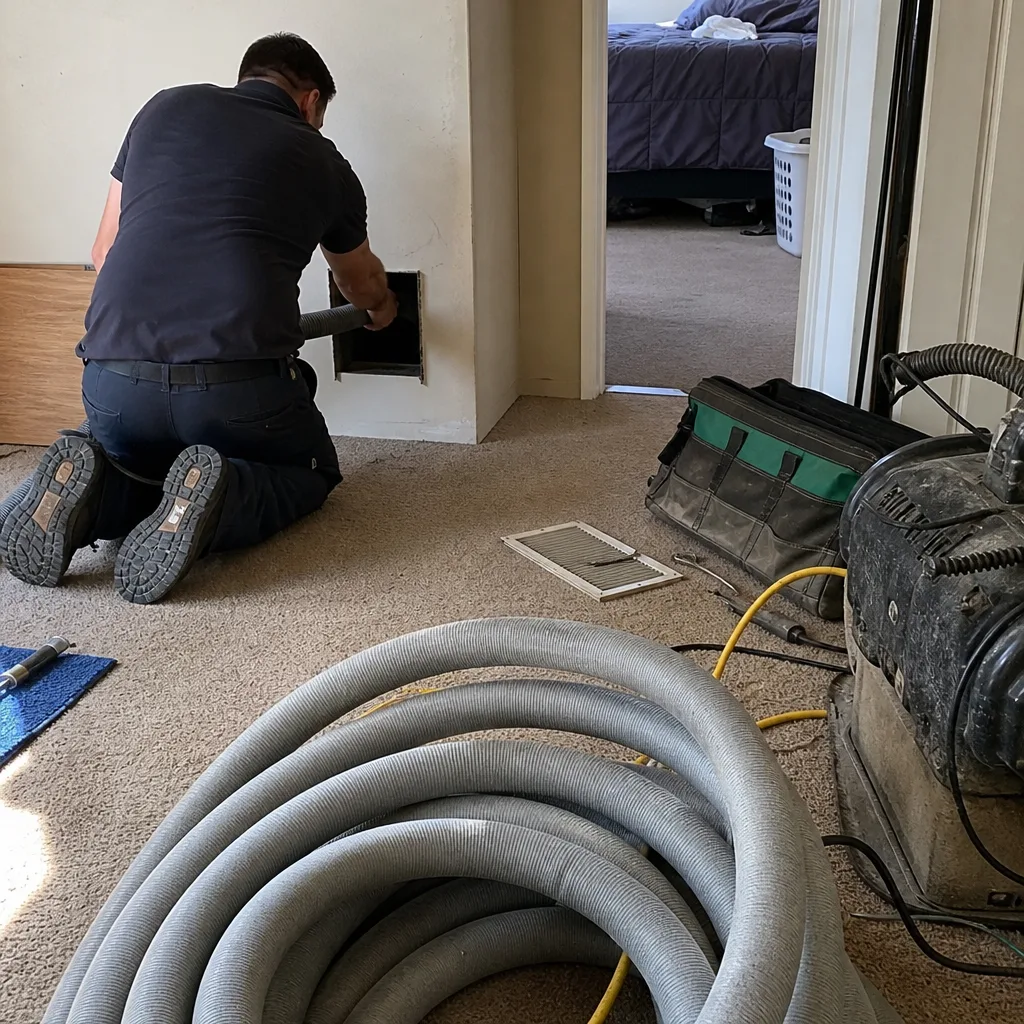 Before
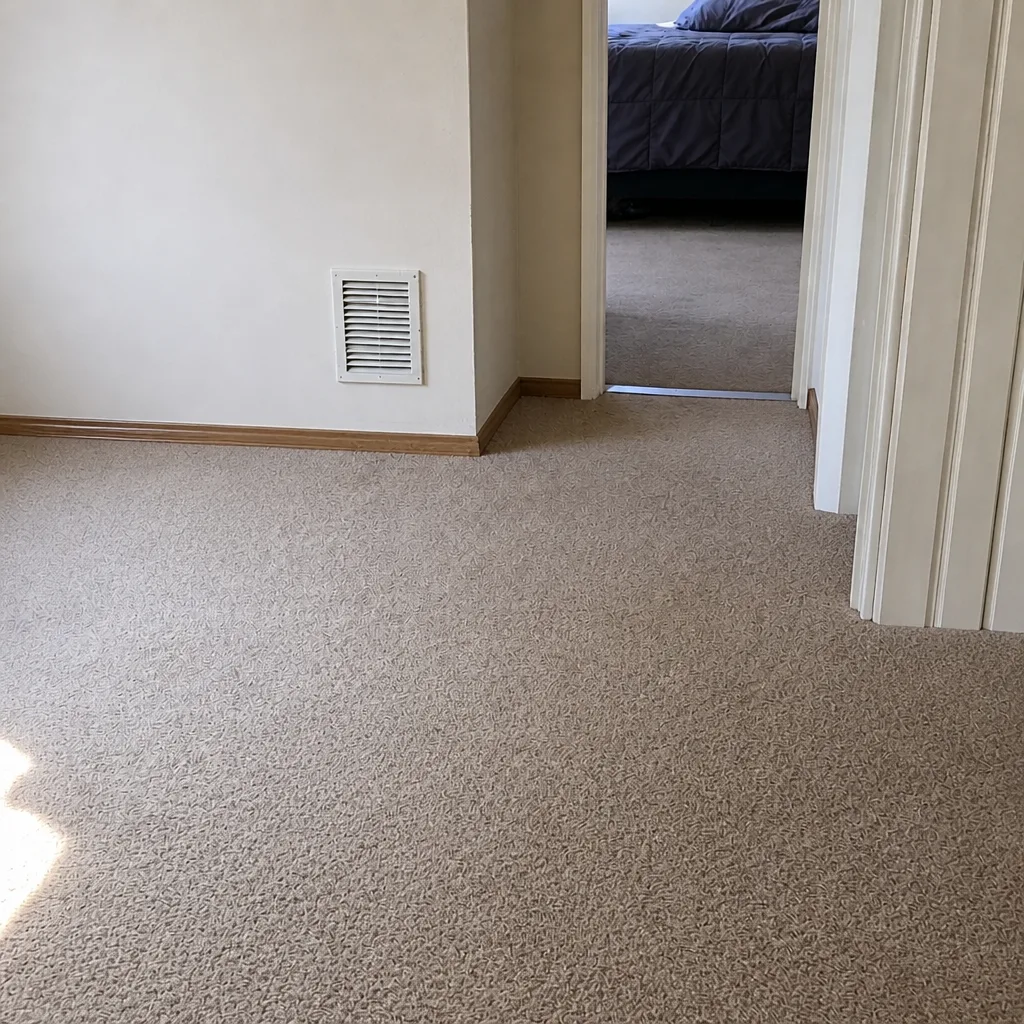 After
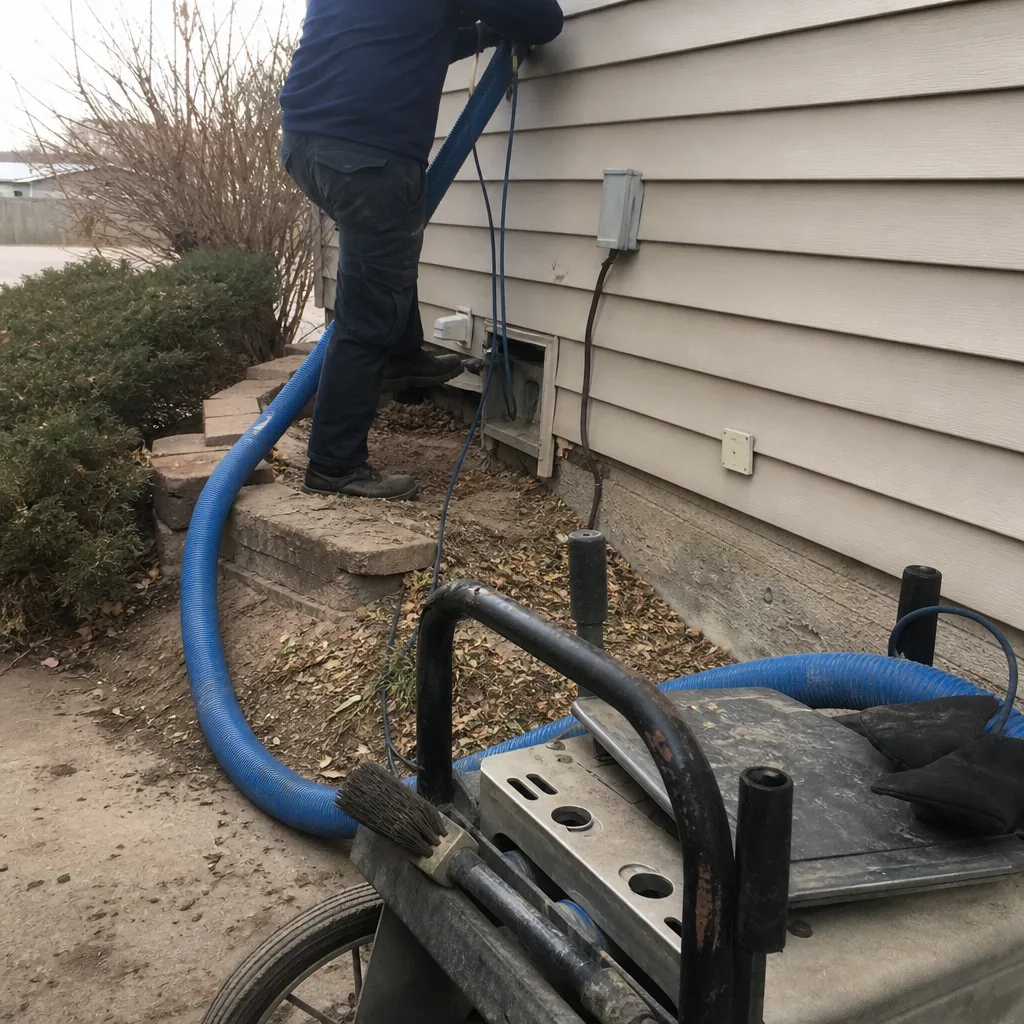 Before
 After
 Before
 After
When to Call a Professional
Some duct conditions are routine, and some need eyes on the system. Call a professional if you notice musty odors when the system runs, visible dust streaks around return grilles, or a growing dust load in rooms despite regular filter changes. If you’ve recently renovated and drywall dust went through the returns, or the home has a history of moisture intrusion near the HVAC, the ducts are worth inspecting. The same is true if you’ve moved into a home where the previous owner’s service history is unknown, or if you have an older HVAC system that’s never had the ducts inspected. Air Duct Cleaning Hampden offers free estimates in Hampden – call (855) 658-4374. We answer 24/7. Fast dispatch from 7am to 7pm, Sunday through Friday.
Frequently Asked Questions
Duct cleaning is priced per job by a written estimate, not per vent, and the total depends on system size, how many runs are accessible, and whether sealing or sanitizing is included. The written estimate you receive is the final price, agreed before work starts, so there’s no surprise invoice once the technician is on site. Call (855) 658-4374 for an exact quote – estimates are free.
Cheap quotes usually describe a lighter method: a blower or shop vacuum pass with no negative pressure, no containment, and no verification. A full source-removal job uses professional-grade equipment, addresses leaks, and documents the result, which costs more to perform. Compare what’s included in the scope, not just the number. Call (855) 658-4374 to walk through the difference on your own system.
Ask for before-and-after photos of your own ducts, a written visual inspection summary, and airflow measurements at the registers. All three together confirm the work happened and the system is moving air the way it should. A service that can’t provide these is one you can’t evaluate. Call (855) 658-4374 to ask what verification is included.
There’s no single interval that fits every home – the honest answer depends on your dust load, whether anyone in the household has allergies, whether the ducts leak, and whether you’ve had a renovation. Homes in Hampden’s dry, dust-prone climate often benefit from an inspection sooner than the blanket calendar intervals quoted in marketing material. Call (855) 658-4374 and we’ll help you decide based on your system.
Yes. Lower humidity keeps dust airborne longer and encourages static buildup on duct surfaces, which makes the dust layer cling to duct walls instead of passing through. That’s why mechanical scrubbing with rotary brush systems matters more here than a simple vacuum pass. Call (855) 658-4374 for an assessment based on your home’s setup.
Yes. Dryer vent cleaning is a separate service from duct cleaning, and it’s often scheduled alongside a duct appointment. Lint buildup in a dryer vent is a recognized fire hazard, so handling it while the technician is already on site makes practical sense. Call (855) 658-4374 to schedule both together.
The Bottom Line
Air duct cleaning in Hampden is a system-level job, not a single pass. Cleaning gets the contaminants out. Sealing keeps them from coming back. Sanitizing addresses what can grow on duct surfaces. Verification proves the job was done. Each step earns its place in the process, and skipping any of them reduces what you get out of the work. If you’re comparing quotes, look for the method and the equipment behind the price, and ask whether sealing, sanitizing, and verification are part of the scope. That’s the difference between a cleaning that lasts and one that doesn’t. Call (855) 658-4374 for a free estimate. We answer 24/7. Fast dispatch from 7am to 7pm, Sunday through Friday.
Written by the team at Air Duct Cleaning Hampden.