
Last updated November 24, 2026
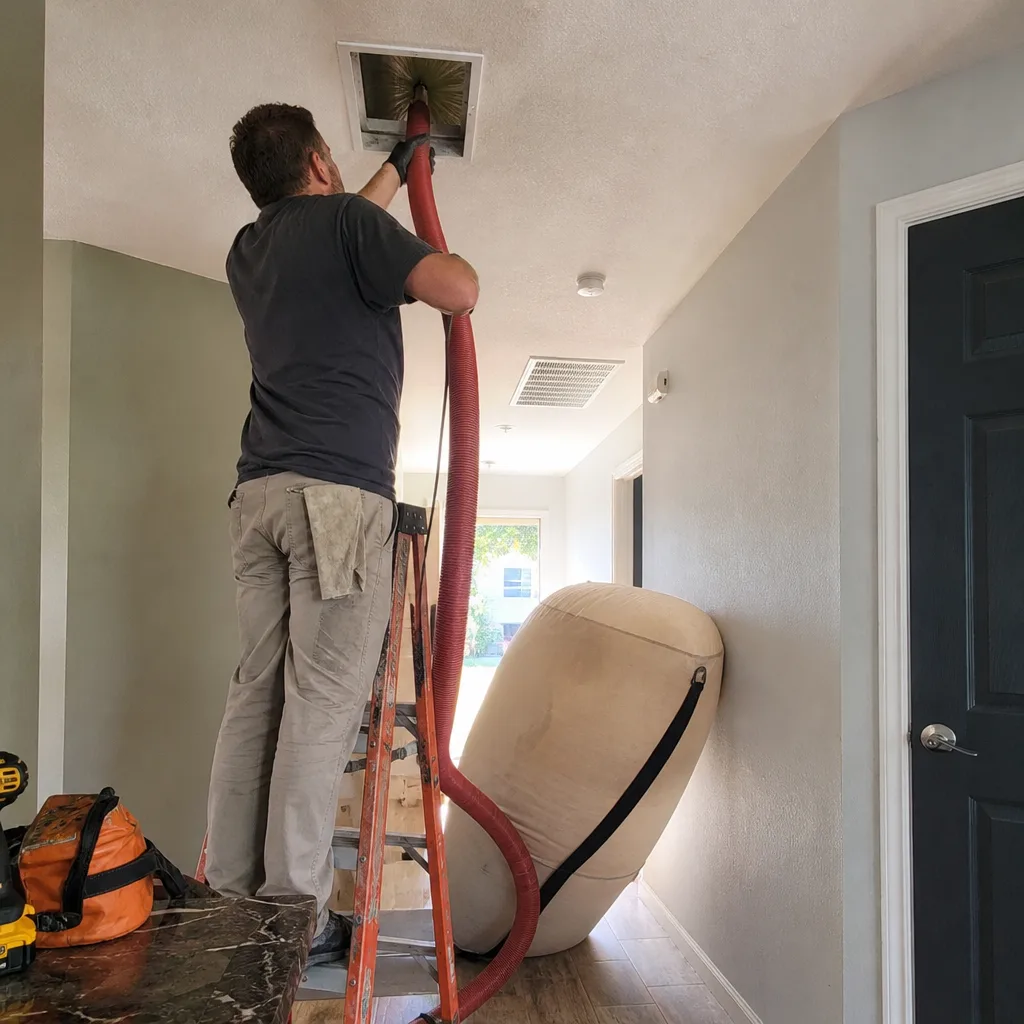
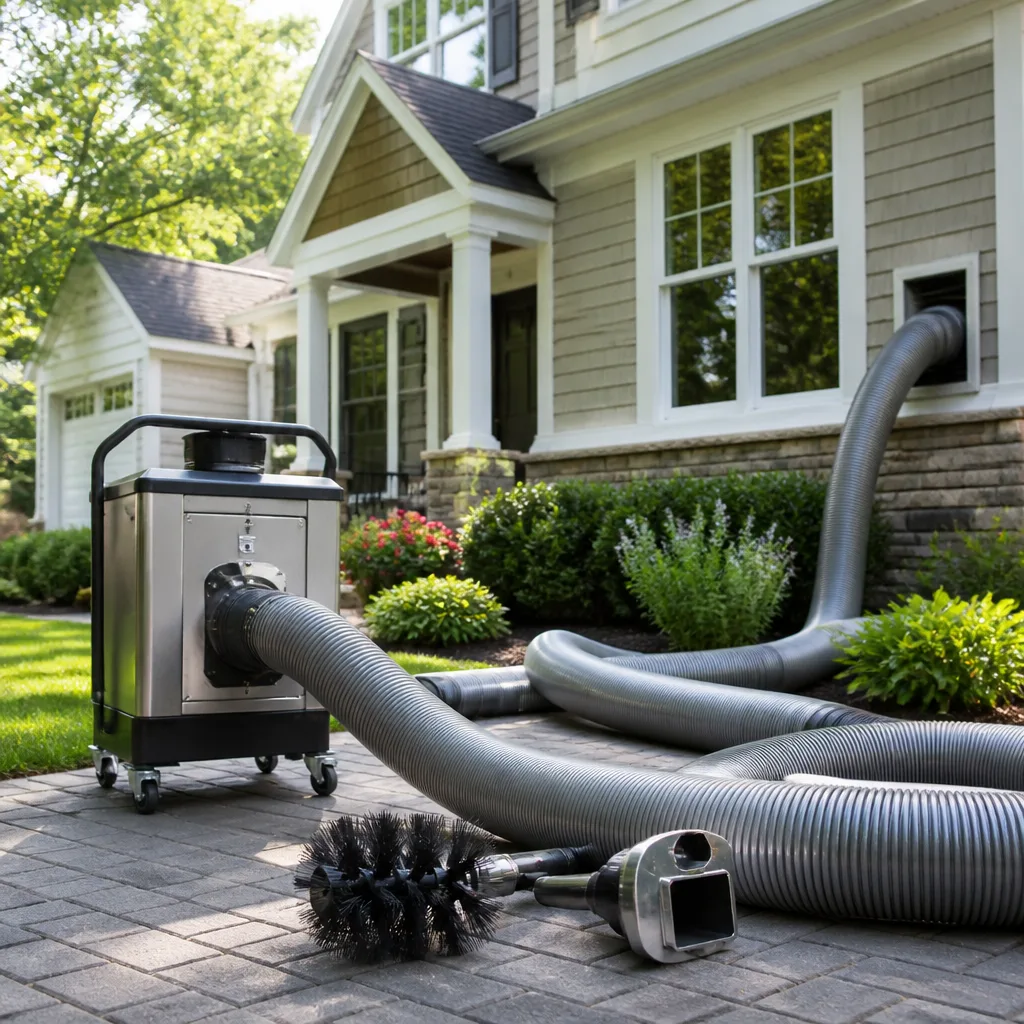 Whole-home duct cleaning
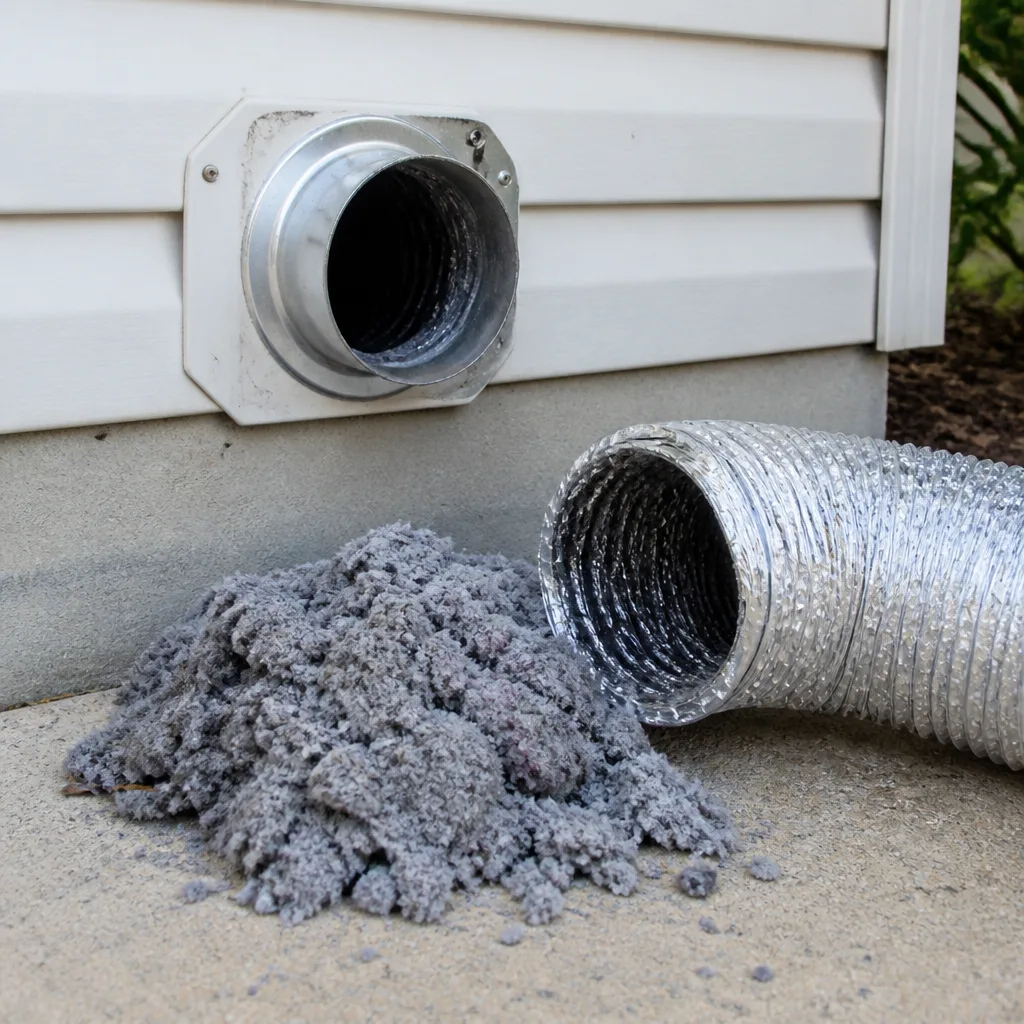 Dryer vent cleaning
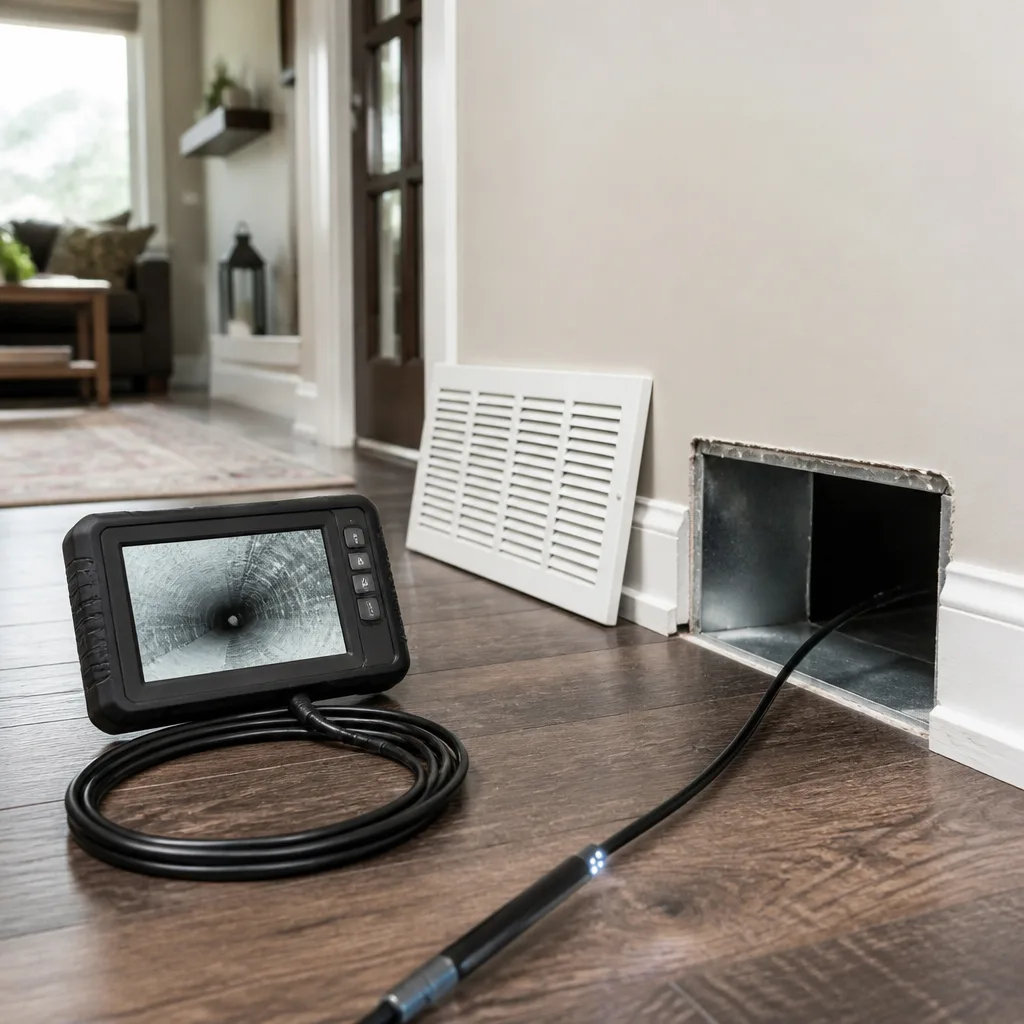 Camera inspection
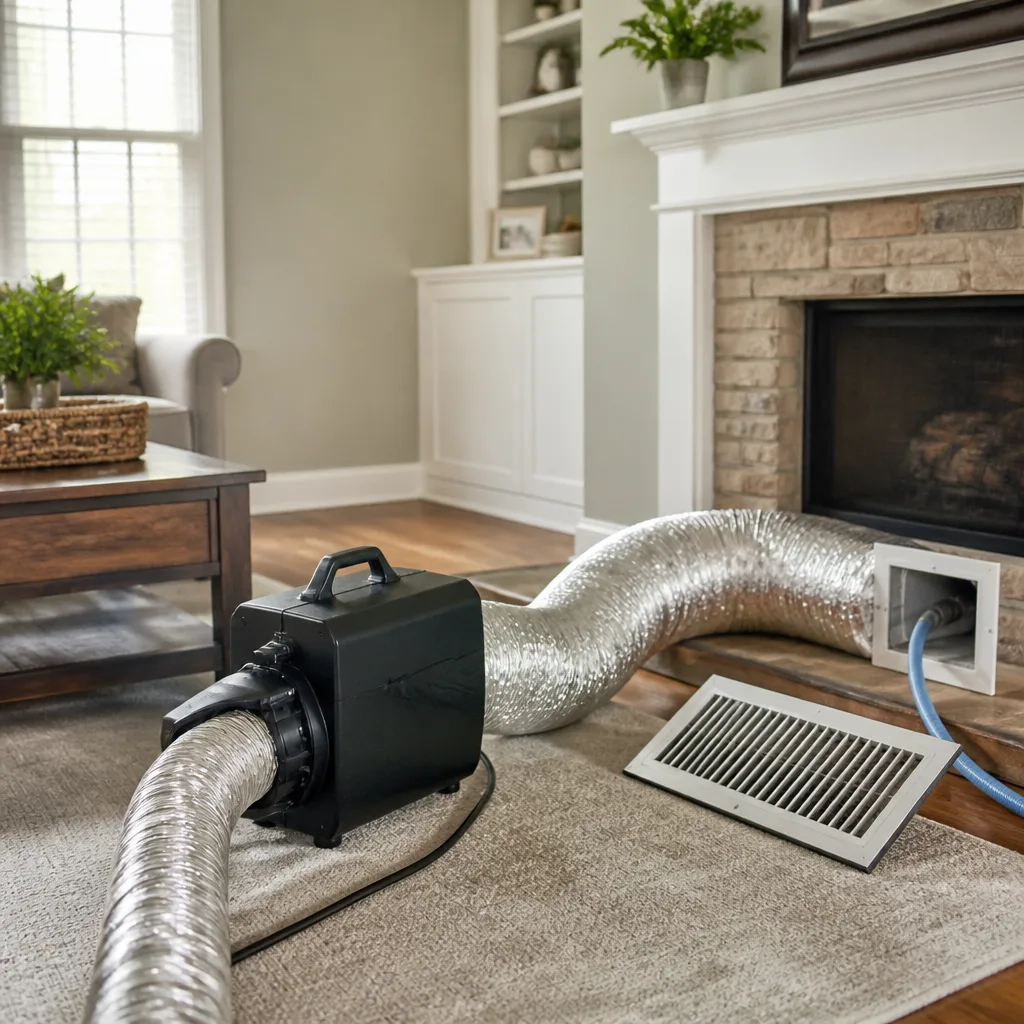 Sanitizing & deodorizing
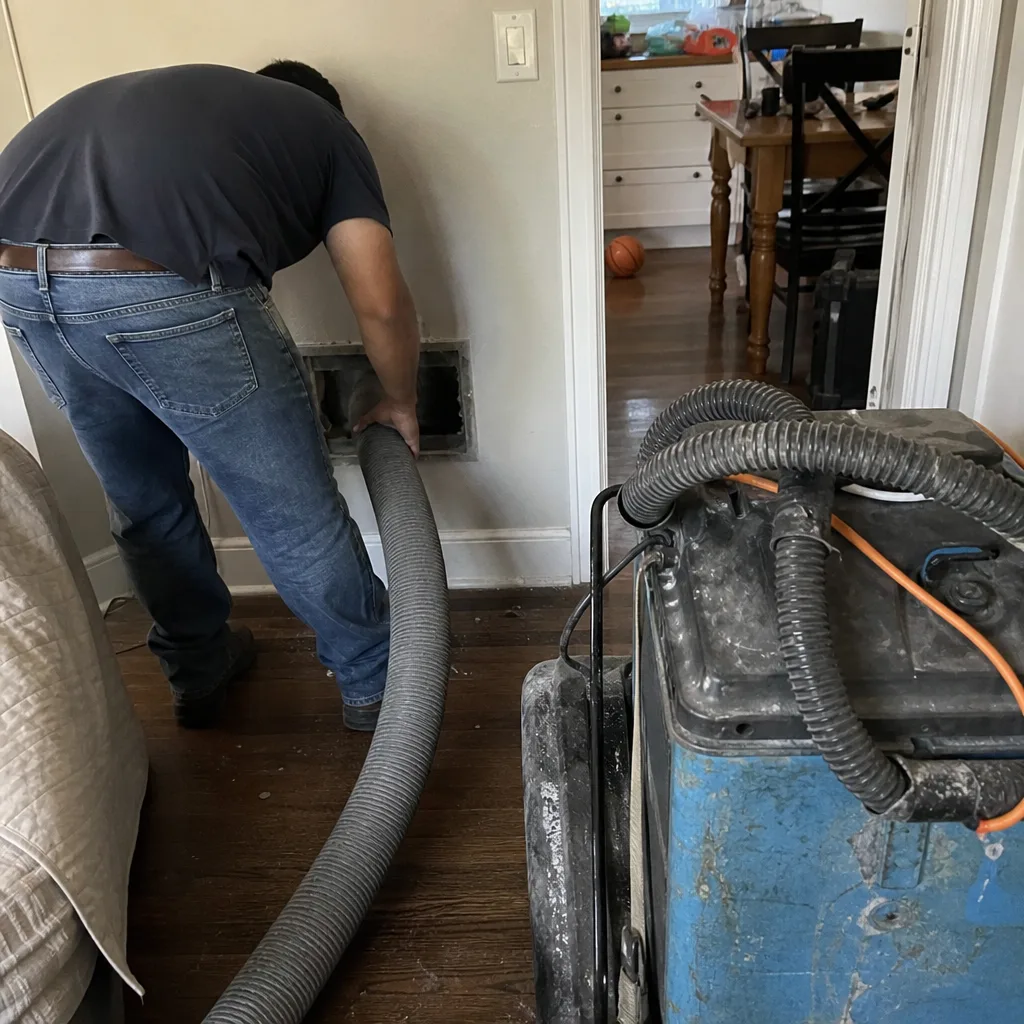
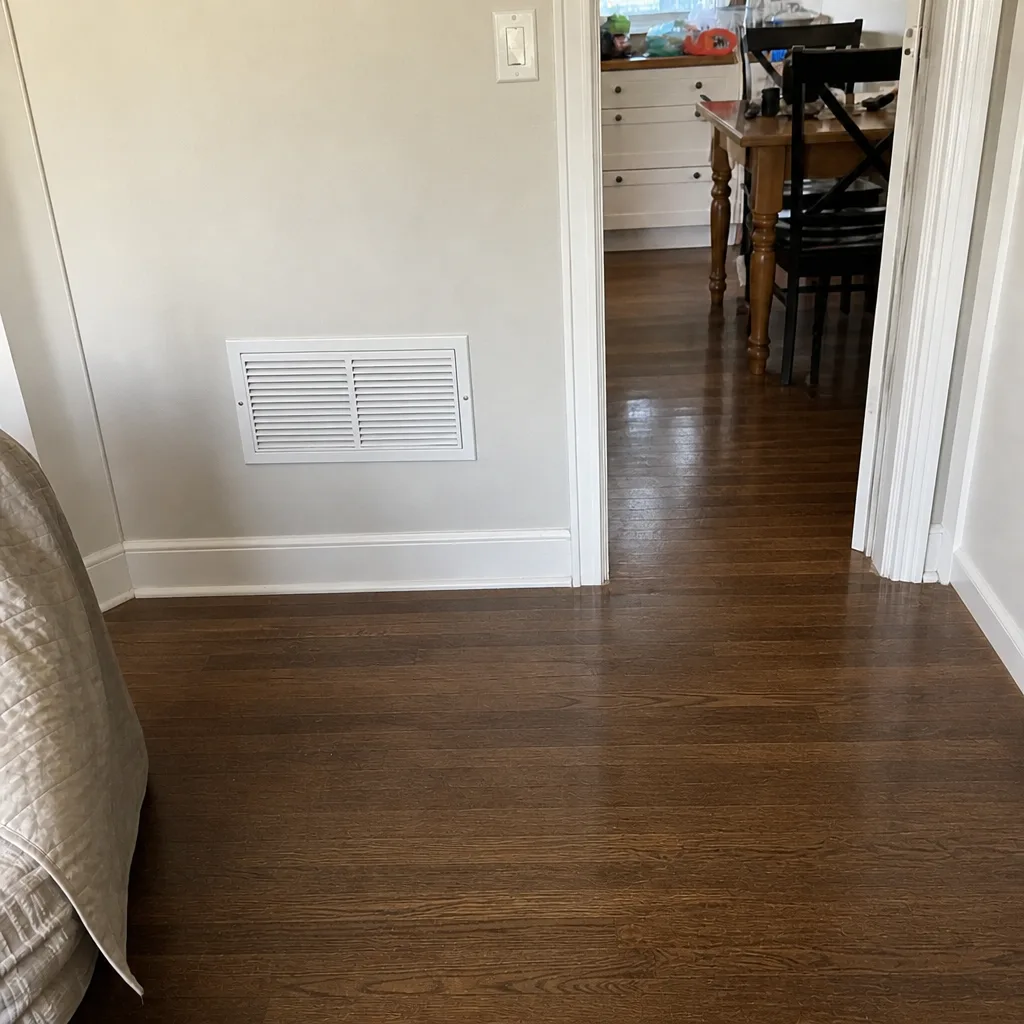
Whole-system duct and dryer vent check with before-and-after photos - you see exactly what came out of your vents
That "$99 whole-house special" is a bait ad - the real number appears once they are in your hallway, or the "clean" is a shop-vac at the register. We photograph the inside of your ducts before and after instead.
How to Hire an Air Duct Cleaning Contractor in Hampden: A Step-by-Step Guide
The duct cleaning industry has one of the highest rates of bait-and-switch pricing in home services, and the low numbers that show up in online ads usually aren’t real estimates of a full-system job. NADCA (the National Air Duct Cleaners Association) estimates that over 70% of companies advertising residential air duct cleaning don’t use source-removal methods, which means most of what gets sold as a cleaning is a marketing visit with limited technical value. Hampden homeowners are especially exposed because legitimate full-system work costs more than a teaser quote suggests. This guide gives you the exact questions, credentials, and red flags that separate a real contractor from one that leaves debris behind.
Styles & brands we work with
- Whole-home duct cleaning
- Dryer vent cleaning
- Camera inspection
- Sanitizing & deodorizing
Quick Answer
To hire an air duct cleaning contractor in Hampden, verify NADCA ACR certification and current Colorado liability insurance before the visit, ask for a walk-through assessment of your actual system before any price is quoted, and insist on professional-grade equipment names (Rotobrush rotary brush systems, Nikro HEPA vacuum rigs, Abatement Technologies filtration) with source-removal confirmed in writing. A written estimate should detail every supply and return line, the equipment being used, and the condition found. If a contractor quotes a firm price over the phone without seeing your ductwork, that’s your first filter.
Table of Contents
- Why Hampden Ducts Get Contaminated Faster Than You Think
- What NADCA ACR Certification Actually Means
- The Five Questions to Ask Before Agreeing to a Quote
- What a Legitimate Walk-Through Assessment Looks Like
- How to Decode a Written Estimate
- Colorado Insurance Requirements and the Certificate of Insurance
- Red Flags and Common Mistakes to Avoid
- When to Call a Professional
- Frequently Asked Questions
Why Hampden Ducts Get Contaminated Faster Than You Think
The Denver metro’s dry, high-altitude climate creates a particular set of duct problems that coastal or humid-region guides never mention. Hampden sits at roughly the elevation of Denver, which means furnace systems run longer and harder across the heating season, pulling more airborne dust into the return plenum with each cycle. Low humidity through most of the year makes fine particulate matter lighter and more mobile, so it stays suspended and recirculates instead of settling. That’s one reason duct cleaning has real technical value up here and isn’t just a cosmetic service.
A second local factor: many Hampden neighborhoods sit within easy reach of the Front Range foothills, where spring winds carry mineral dust and wildfire-season smoke deep into the metro. Homes near newer development corridors frequently have construction debris still in the ducts from the build, and homeowners who’ve renovated a kitchen or basement have drywall dust settled throughout the supply lines. Older Hampden homes with original sheet metal trunk lines and flexible branch runs tend to have more loose seams and small leaks that pull unfiltered attic or crawlspace air into the system.
That means the “how often” answer for a Hampden home is more situational than a generic three-years rule. Homes with pets, allergy-sensitive residents, recent renovations, or systems that haven’t been serviced in many years benefit most. A full-system air duct cleaning paired with duct repair and sealing addresses both the built-up debris and the gaps that let more in.
What NADCA ACR Certification Actually Means
NADCA stands for the National Air Duct Cleaners Association, the trade body that publishes the accepted industry standard. The ACR credential (Air Systems Cleaning Specialist, or ASCS) is awarded to individuals who pass an exam on that standard and stay current on the association’s recommended practices. A company that advertises “NADCA certified” should have at least one technician on staff holding that credential, and the claim is verifiable in a way a business license isn’t.
Here’s why that distinction matters. A Colorado business license tells you the company legally exists. It says nothing about whether the technician knows how to clean a duct system without damaging it. It doesn’t confirm they understand the difference between surface brushing and source removal, or why a rotary brush on a fragile flex duct can tear it. NADCA ACR certification is a harder standard to fake because it’s tied to a named individual, a passed exam, and continuing education requirements that lapse if not maintained. A contractor can call themselves “certified” all day on a website. Ask for the name of the technician on the job and their certification status, then verify it with NADCA directly through their online lookup.
Ask two questions when you’re verifying:
- Is the technician actually coming to my Hampden home NADCA-certified, or is the company just a member?
- Does the crew follow the ACR standard source-removal process, meaning contaminants are physically extracted and contained, not just agitated?
If they can’t answer either question clearly, that’s your first filter. In our experience, the technician who can name the standard and explain each stage of the process without hesitation is the one who actually follows it.
The Five Questions to Ask Before Agreeing to a Quote
These are the questions that separate a contractor from a truck with a blower. Ask them before any work starts, and write the answers down. If the person on the phone can’t answer any of them with specifics, move on.
- What equipment brands and models do you use? Professional-grade names matter: Rotobrush rotary brush systems, Nikro HEPA vacuum rigs, Abatement Technologies negative air containment. Consumer blowers or shop-vacs are not duct cleaning equipment. The brands aren’t a marketing gimmick – they’re the same tools used in commercial and restoration work where contamination levels are far higher than a home duct system.
- What is the CFM rating of your negative air machine? CFM (cubic feet per minute) is the measure of how much air a vacuum system moves. A negative air machine pulls the whole duct system into a vacuum so the rotary brush can extract debris into a HEPA containment unit rather than pushing it into your living room. Ask the number. A vague answer is a warning sign. High-CFM equipment is what separates a real cleaning from a surface sweep.
- Will you walk through my whole system before giving me a number? Any contractor who quotes a firm price over the phone without seeing the supply lines, return plenum, and furnace filter housing isn’t quoting your Hampden home – they’re quoting an average.
- What exactly does the estimate include? Every supply and return line should be named, plus filter replacement and any sealing or sanitizing. If “duct cleaning” is one line item with no detail, the scope is unclear by design.
- Can I see your certificate of insurance and your NADCA ACR verification? Both should be available before the visit. Not “when we get there” – before.
We see the same pattern repeatedly: the contractor who answers all five with specifics is usually the one whose before-and-after photos and written scope also match what they told you on the phone. The one who gets defensive about equipment names is telling you something.
What a Legitimate Walk-Through Assessment Looks Like
A real duct cleaning assessment takes twenty to forty minutes before any price is quoted. The technician walks the home, opens supply registers to inspect what’s visible at the boot, opens the return plenum to look at the coil, and checks the furnace filter for the type of debris present. They check the dryer vent if it’s part of the scope. They look at flex versus sheet metal, note any obvious tears or disconnected joints, and confirm the number of supply and return lines on the estimate.
What it does not look like: a truck pulling into the driveway, the technician walking straight to the furnace, and a printed price appearing without a single register being opened. That’s a quote-by-formula. It’s the same price on every Hampden house regardless of size, duct layout, or condition, which means either the quote is too low to cover the work or it’s designed to expand once the technician is inside.
Two things should be documented during the walk-through:
- A count of every supply register and return grille, with their locations noted on the estimate
- Any existing damage (a torn flex joint, a disconnected branch, a rusted seam) that affects scope and pricing
If a contractor quotes you a number before ever seeing your system, you’re not being quoted a job. You’re being quoted a coupon. This is also the moment to discuss whether dryer vent cleaning should be included. The dryer vent is a separate high-risk line that pure HVAC companies often skip, and it’s worth the same walk-through look even if it’s standalone.
How to Decode a Written Estimate
A written estimate from a real duct cleaning contractor looks like a small document, not a line item on a receipt. Here’s what should appear, and what vague language signals the opposite.
- Number of supply and return lines with their location in the home. “Whole house” is not enough.
- Equipment being used, named by brand and model if possible. If you asked about equipment on the phone and the estimate doesn’t reflect it, the scope changed.
- Method of source removal (rotary brush with negative air containment is the standard).
- Filter replacement and the specific filter type being installed.
- Any sealing, repair, or sanitizing as separate line items so you can see what’s included versus assumed.
- The furnace or air handler inspection – a full-system cleaning always touches the coil and blower housing. HVAC cleaning is a related scope, and the estimate should say whether it’s included.
- The final price, stated as an estimate with the note that the written scope sets the price. There should be no surprise line items after the work begins.
The vague-language red flags are specific. Phrases like “as needed,” “typical cleaning,” “up to X vents,” and “plus any additional work” all hide scope. So does any quote that includes “sanitizing” without describing what’s being sanitized and with which product. And it’s not the fact that a coupon price exists that’s the problem – it’s when the coupon price doesn’t match the written scope after the technician is on site. One flat price per system should be agreed before anyone carries equipment inside.
If a Hampden homeowner asks us for HVAC cleaning alongside duct cleaning, both get line items. It’s the only way you can compare two estimates honestly.
Colorado Insurance Requirements and the Certificate of Insurance
Ask for a certificate of insurance (COI) before the visit. A legitimate Hampden duct cleaning contractor carries general liability insurance, and the COI names the coverage dates, policy limits, and the insured entity. What it protects: if a rotary brush punctures a return plenum, cracks a register frame, or a hose pulls a chunk of drywall down, the damage falls under the contractor’s liability, not your homeowner’s policy. Without a current COI, you’re arguing about who pays for a repair you didn’t cause.
Colorado doesn’t issue a licensing classification specific to duct cleaning the way it does for electrical or plumbing work, which is exactly why the insurance document and the NADCA credential carry more weight here. A homeowner can’t verify “licensed duct cleaner” because that license doesn’t exist in the state. What can be verified: the COI is current, the NADCA ACR credential checks out, and the company’s written estimate is detailed. Those three together are a stronger filter than any single document.
Two details to check on the COI:
- The policy is current – the dates on the certificate cover the date of your appointment.
- The general liability limit is adequate for a residential job. Ask if either the number feels low or the contractor doesn’t have a certificate on file.
Red Flags and Common Mistakes to Avoid
Here’s where the industry’s reputation for bait-and-switch shows up in practice, and how to sidestep it in Hampden specifically.
- Firm quote over the phone. No contractor can price a Hampden duct system without seeing the layout, the number of runs, and the condition. If the number arrives before the walk-through, it’s a coupon, not an estimate.
- Equipment named only as “our truck” or “professional grade” with no brand. Rotobrush, Nikro, and Abatement Technologies are the recognizable names in the trade. A contractor who won’t name their equipment is usually the contractor who doesn’t own it.
- No NADCA ACR verification offered. A technician’s credential is verifiable – if the answer is a deflection instead of a name, the credential probably doesn’t exist.
- No certificate of insurance. Sending someone into your duct system without a current COI puts drywall, register frames, and your own homeowner policy at risk for no upside.
- Vague or missing scope. “Whole-house cleaning” with no register count, no method, and no equipment line item means the final invoice can flex at the technician’s discretion.
- Sanitizing sold as part of the base clean without discussion. Sanitizing has real technical value when there’s a specific concern (mold, post-renovation dust, pet contamination), but it should be a documented line item, not a surprise additive.
- No conversation about the dryer vent. A contractor focused only on HVAC supply lines tends to skip the dryer vent, which is a separate fire-risk line worth getting cleaned alongside the duct system or on its own schedule.
The pattern behind most of these: a business optimized to generate quotes, not to actually clean duct systems. The filter for that is your walk-through assessment and a written scope, and both of those things slow the pitch down enough that a real contractor’s process becomes visible.
When to Call a Professional
A duct cleaning is worth scheduling in Hampden when the evidence points to real contamination or a real system problem, not just because a calendar year has passed. Overwhelming dust on the registers within days of cleaning, visible debris in the return plenum, a recent renovation that pushed drywall dust through the supply lines, mold smell from the ductwork, allergy symptoms that flare whenever the furnace cycle starts, or an HVAC system that hasn’t been serviced in many years – those are the triggers that justify a full-system cleaning. The dryer vent is a separate trigger: if the dryer takes more than one cycle to dry a load, the vent is restricted and needs a check.
Air Duct Cleaning Hampden offers free estimates in Hampden – call (855) 658-4374. We answer 24/7. Fast dispatch from 7am to 7pm, Sunday through Friday. The estimate is free and the price is set per job by the written scope, not by a phone pitch.
Frequently Asked Questions
Most full-system duct cleanings in Hampden fall within a range that depends on the number of supply and return lines, the condition of the system, and whether sealing or sanitizing is included. The only honest way to know your number is a walk-through assessment and a written estimate – any quote given over the phone before seeing the system is a guess or a coupon. Call (855) 658-4374 for an exact quote – estimates are free.
Because they’re priced for a marketing visit, not a full source-removal job. A coupon quote often buys a surface sweep with a consumer blower, no negative air containment, no HEPA filtration, and no register-by-register documentation. The contractor absorbs the difference by expanding the invoice once they’re inside, or by not doing the technical work at all. Ask for equipment brand names and a written scope that names each line – the gap between a coupon and a real estimate becomes obvious fast. Call (855) 658-4374 for an honest whole-system range.
Two things: before-and-after photos of your own supply registers, return plenum, and ductwork, and a written scope that lists every line the crew was supposed to clean. A real contractor photographs what’s found, documents what’s removed, and shows you the condition after. If a contractor can’t or won’t provide photos of your system, the answer to “was it done” is unclear by design. Call (855) 658-4374 and ask what documentation is included with the estimate.
For most Hampden homes, every three to five years is a reasonable baseline, but the climate here pushes the interval shorter for homes with pets, allergy-sensitive residents, recent renovations, or systems that haven’t been serviced in many years. The dryer vent is a separate schedule: check it yearly, and clean it if the dryer cycle lengthens. A walk-through assessment tells you honestly whether your system is due now or not. Call (855) 658-4374 to schedule one.
Colorado doesn’t have a state licensing classification specific to duct cleaning, so NADCA ACR certification is the most verifiable credential available. It’s tied to a named technician who passed an exam on the accepted industry standard, and it can be checked through NADCA’s online lookup. Ask for the technician’s name and credential status before the visit. Call (855) 658-4374 – we’ll walk you through what to verify.
Every supply and return line with its location, the equipment being used (named by brand), the method of source removal, filter replacement type, any sealing or sanitizing line items, and the final estimated price. Vague entries like “whole house” or “as needed” signal the scope is unclear. One flat price per system should be agreed before work starts. Call (855) 658-4374 for a written estimate.
The Bottom Line
Hiring a duct cleaning contractor in Hampden comes down to verification, not price. NADCA ACR certification is verifiable in a way a business license isn’t, and a current certificate of insurance protects you if equipment damages your home. Ask for equipment brand names and a walk-through assessment before any number is quoted – if the answer is a firm price without seeing the system, you’re being sold a coupon, not a cleaning. A written estimate with every register line item, the source-removal method, and a flat per-system price is what separates a real contractor from a marketing visit. Use the five questions in this guide, walk the estimate line by line, and the trucks that do damage will filter themselves out.
For a full-system approach – cleaning, sealing, and sanitizing handled together – plus dryer vent service and post-cleaning IAQ work with Honeywell or Aprilaire systems, Air Duct Cleaning Hampden offers free estimates. Call (855) 658-4374. We answer 24/7. Fast dispatch from 7am to 7pm, Sunday through Friday. Our technicians have up to 14 years of experience, and every job starts with a walk-through and a written scope before any equipment comes inside. Visit Air Duct Cleaning Hampden to see how the full process works.
Written by the team at Air Duct Cleaning Hampden.
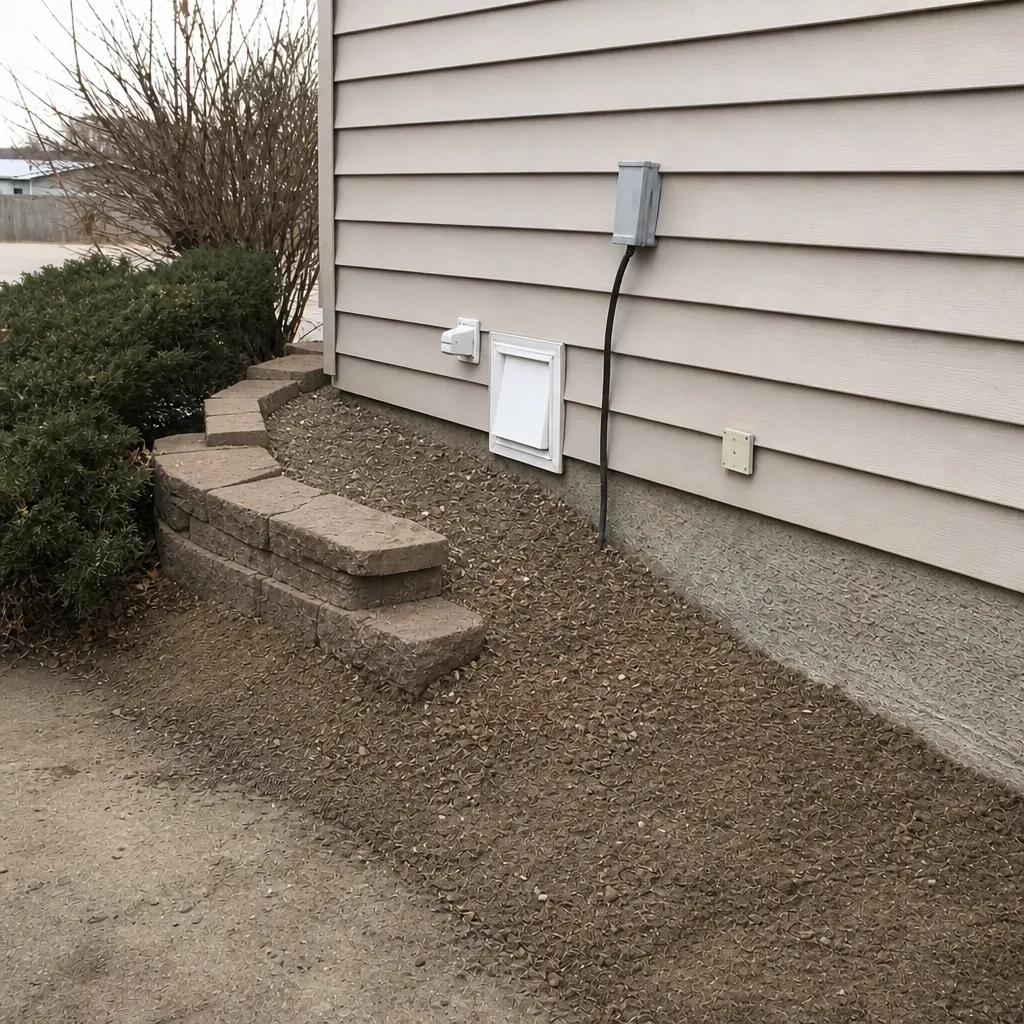
See the difference
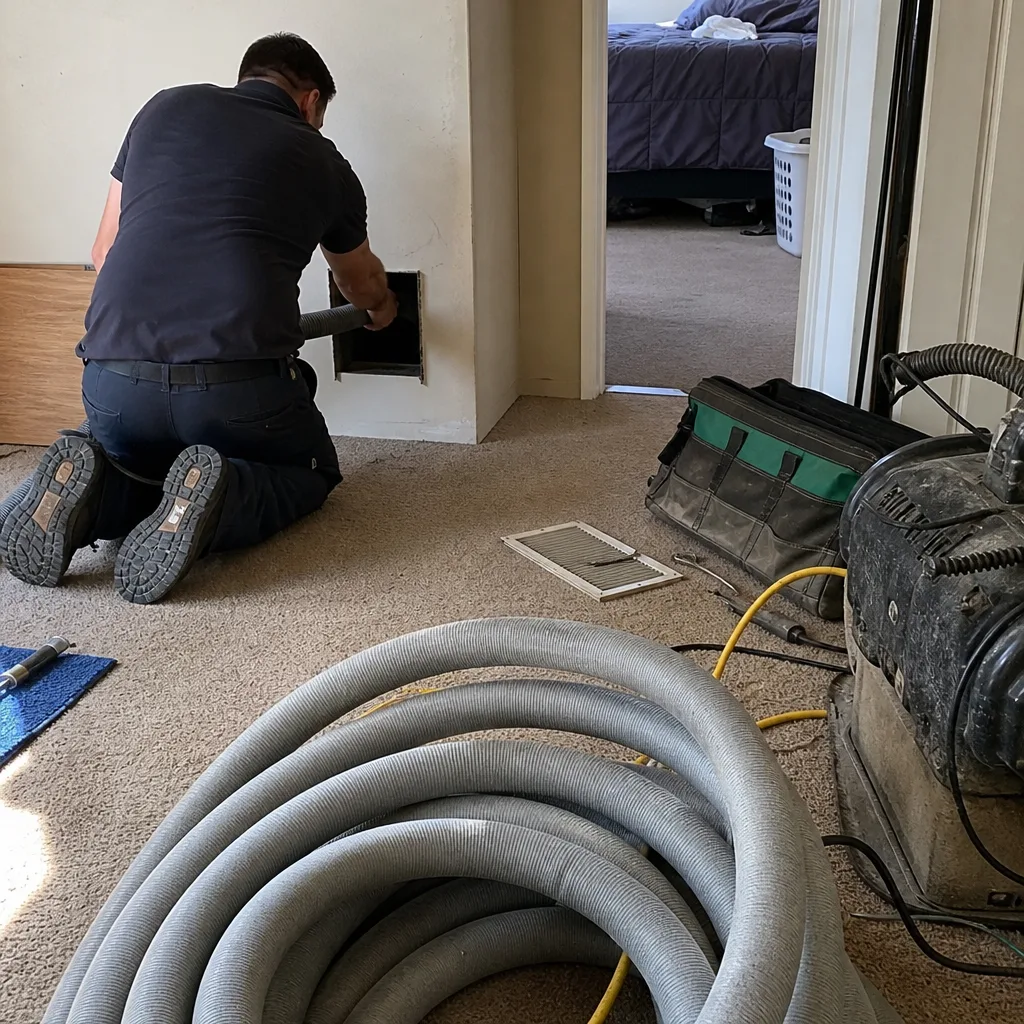 Before
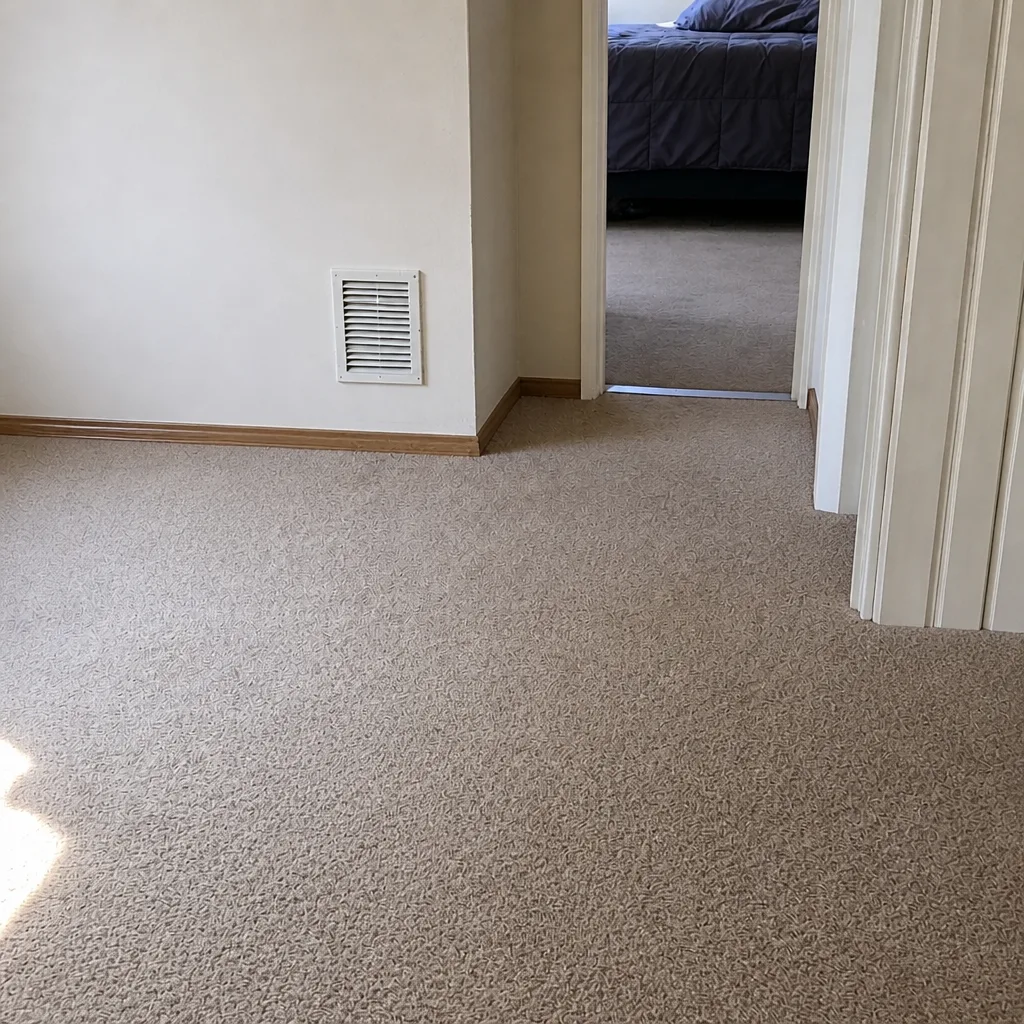 After
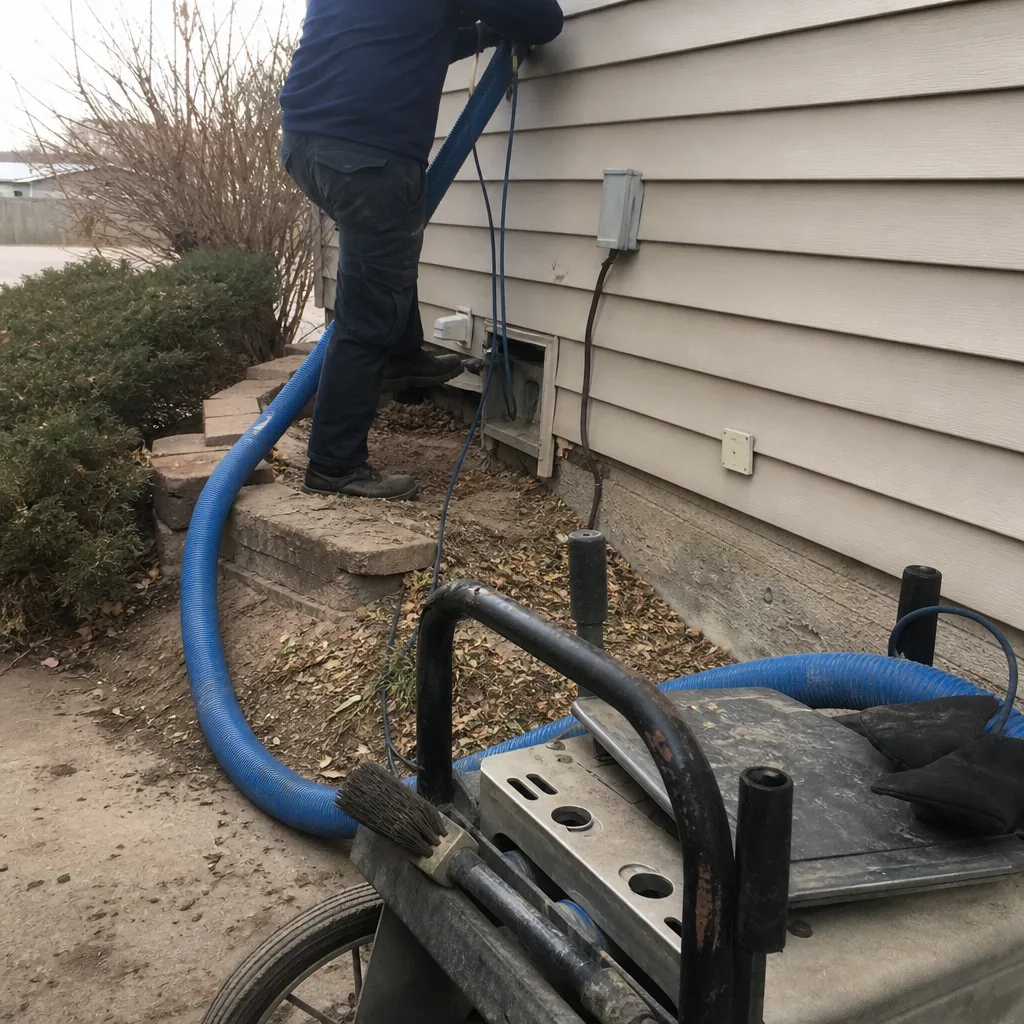 Before
 After
 Before
 After