
Last updated November 24, 2026
 Whole-home duct cleaning
 Dryer vent cleaning
 Camera inspection
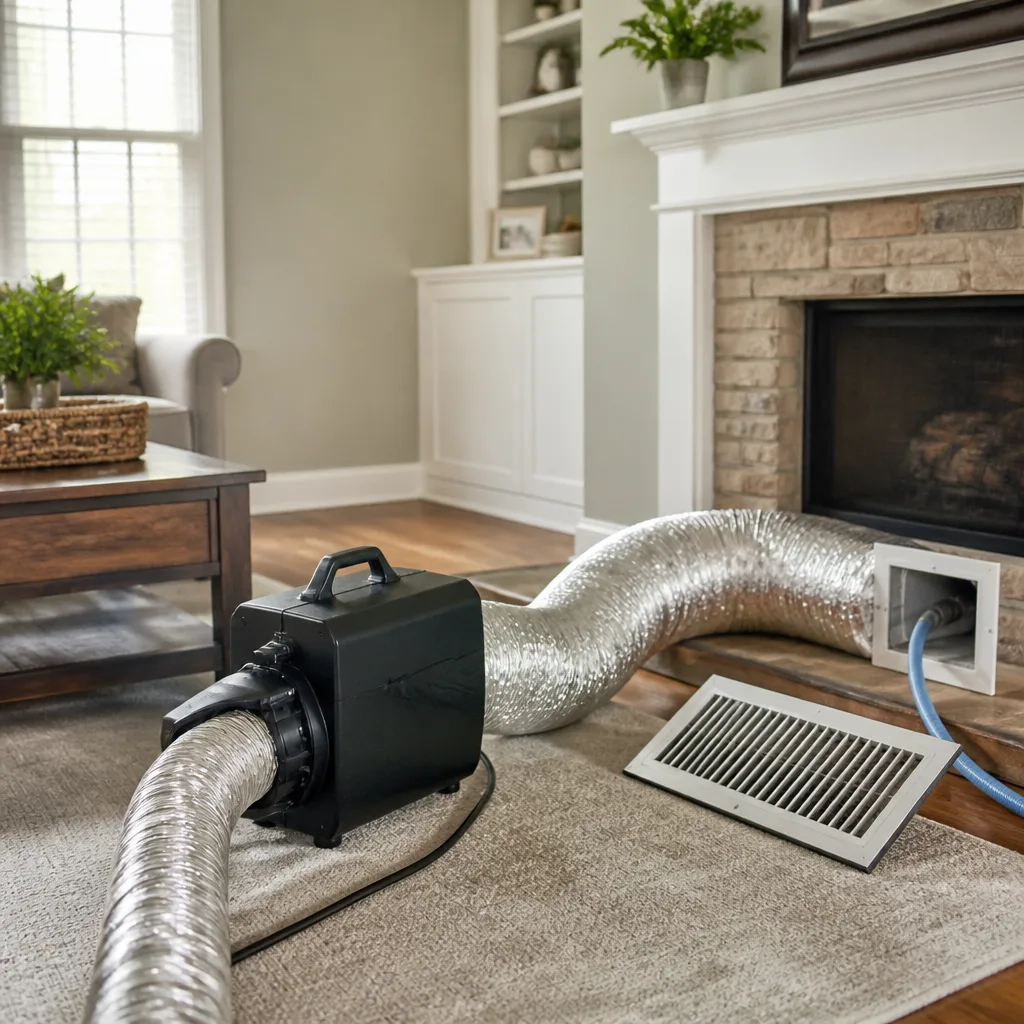 Sanitizing & deodorizing
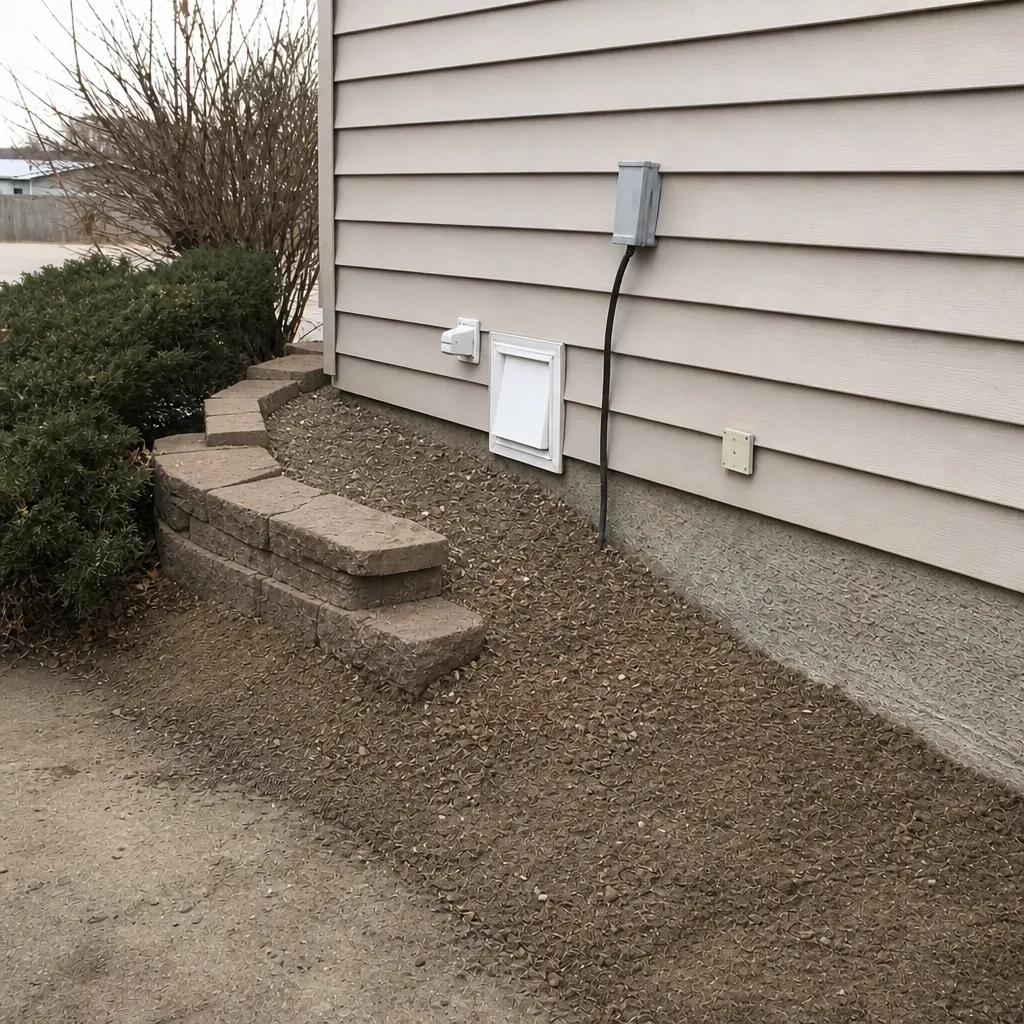
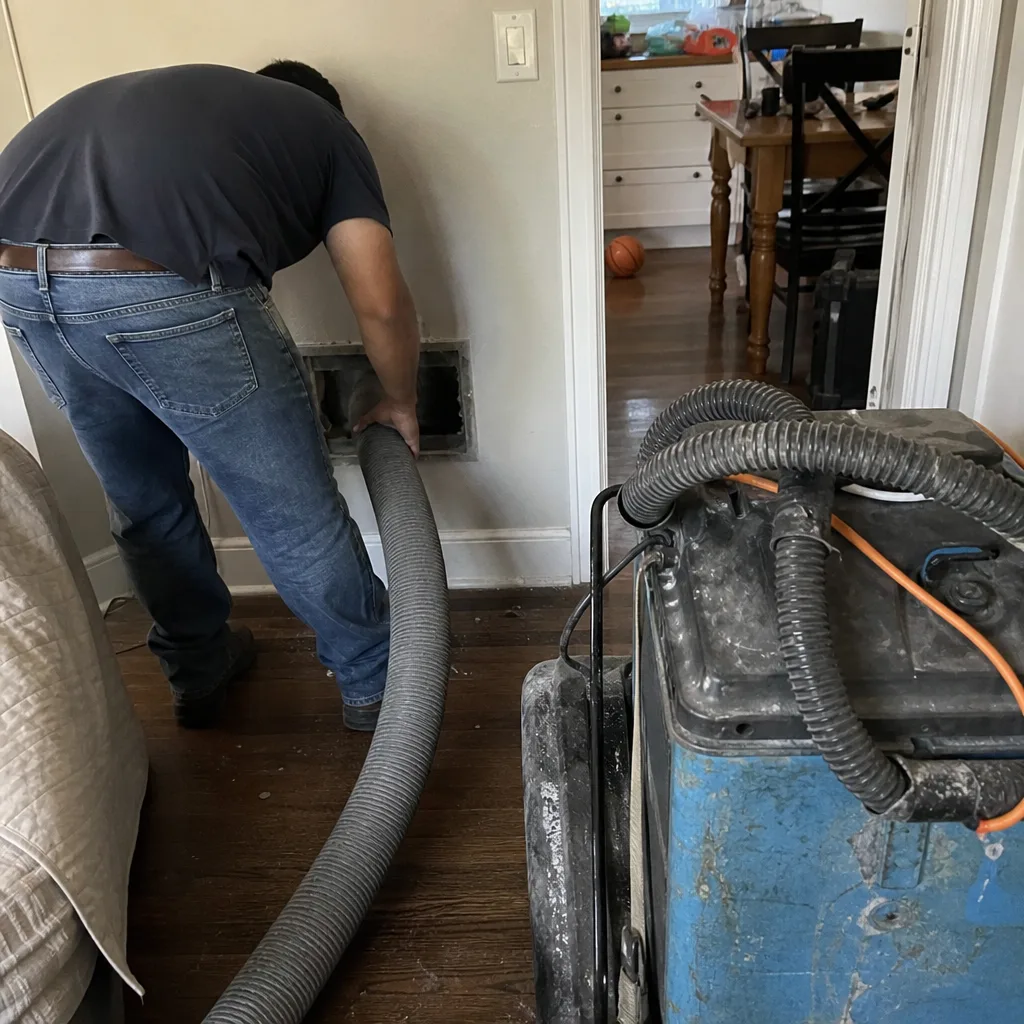
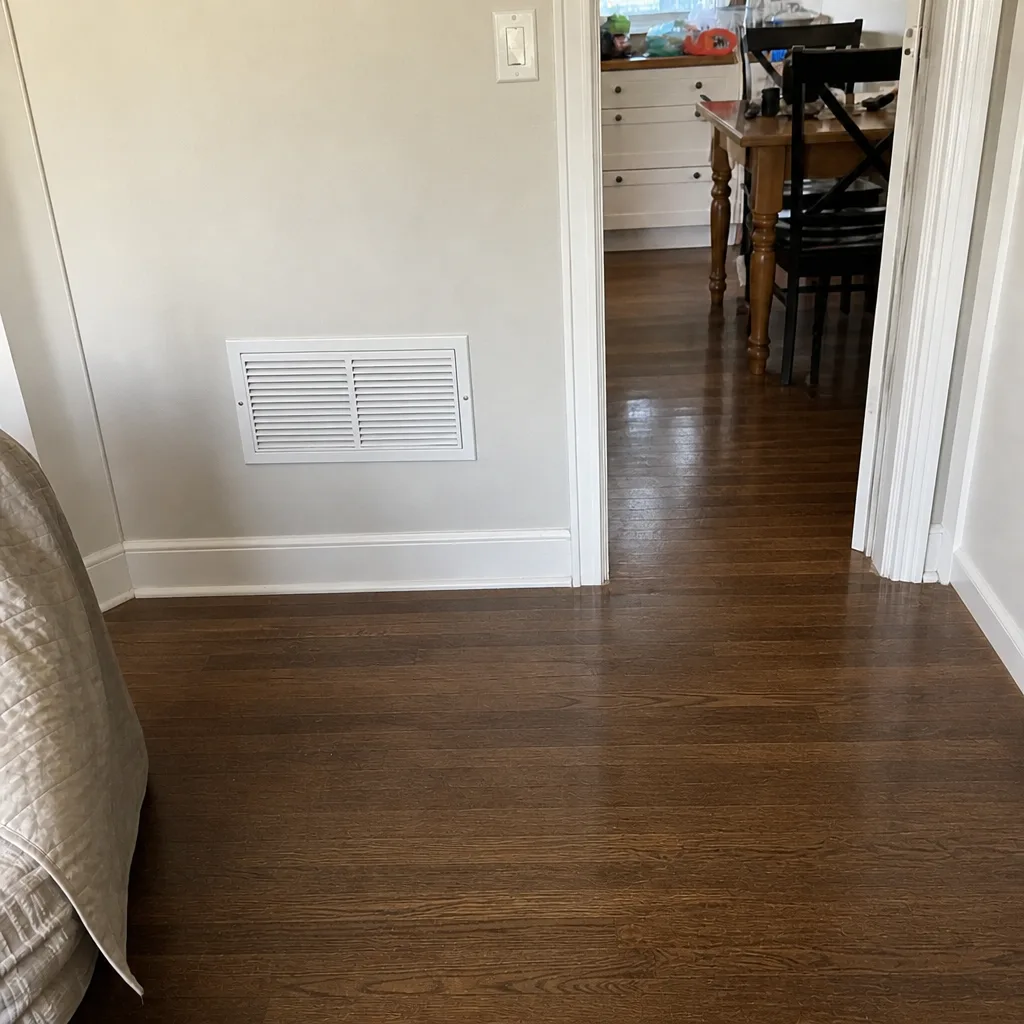
Whole-system duct and dryer vent check with before-and-after photos - you see exactly what came out of your vents
That "$99 whole-house special" is a bait ad - the real number appears once they are in your hallway, or the "clean" is a shop-vac at the register. We photograph the inside of your ducts before and after instead.
Air Duct Cleaning Permits, Codes & Inspections in Hampden, CO: What You Need to Know
Here’s the part of duct work that surprises almost everyone: the cleaning itself is rarely the permitting problem. The repair is. A standard air duct cleaning visit is maintenance, and maintenance doesn’t need a permit. But the moment a contractor patches a disconnected duct section, replaces a run, or ties new work into a mechanical system, that job can cross into territory where code jurisdiction applies. If the contractor doesn’t pull the right permit, the homeowner can end up holding the liability. That gap is what this guide is about. We’ll draw the line clearly for Hampden residents so you know what needs a permit, who inspects it, and what documentation to keep.
Quick Answer
Routine air duct cleaning in Hampden, Colorado generally does not require a building permit. Once the work becomes duct repair, duct replacement, or a new connection to the HVAC system, it typically falls under the Colorado Mechanical Code and may require a mechanical permit from your local building authority. Inspection means two different things here – cleaning verification is a walkthrough and photo record, while a formal building department inspection is a code review triggered by permitted work.
Styles & brands we work with
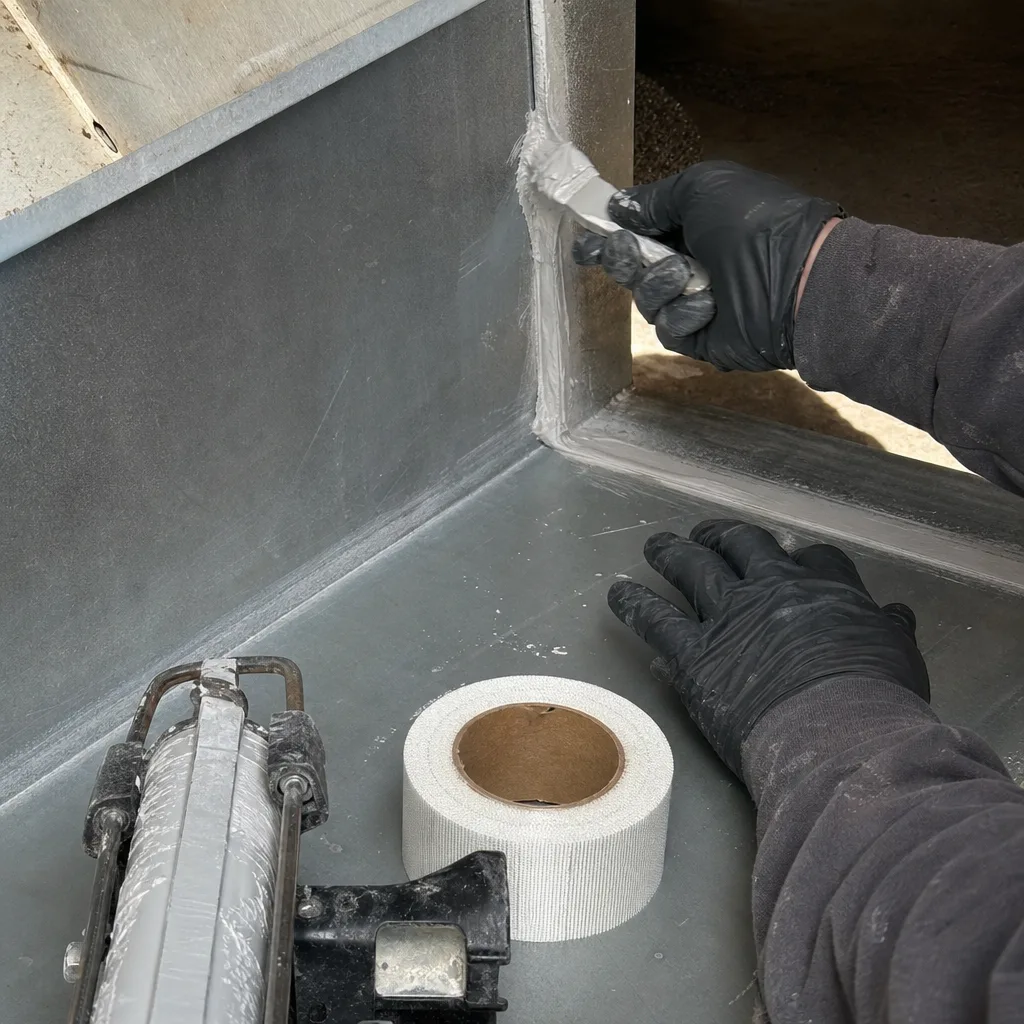
- Whole-home duct cleaning
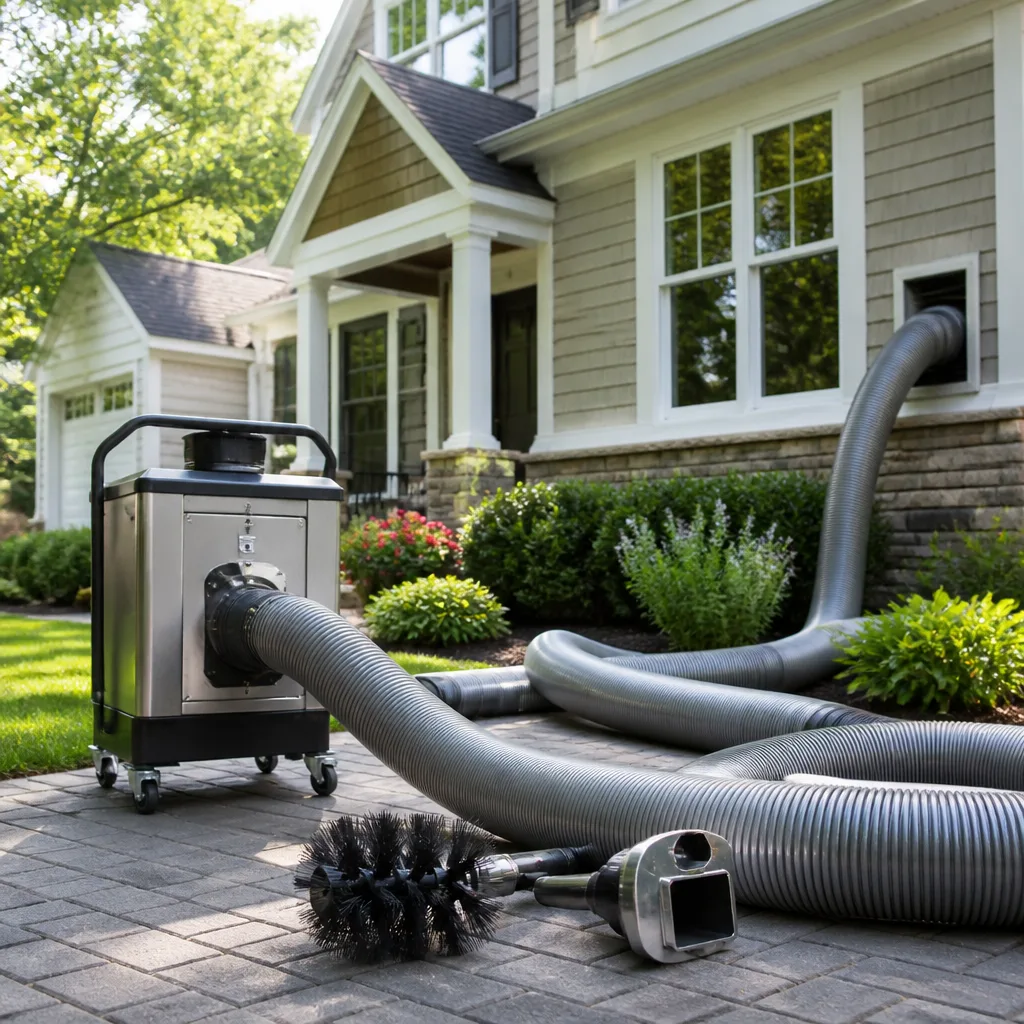
- Dryer vent cleaning
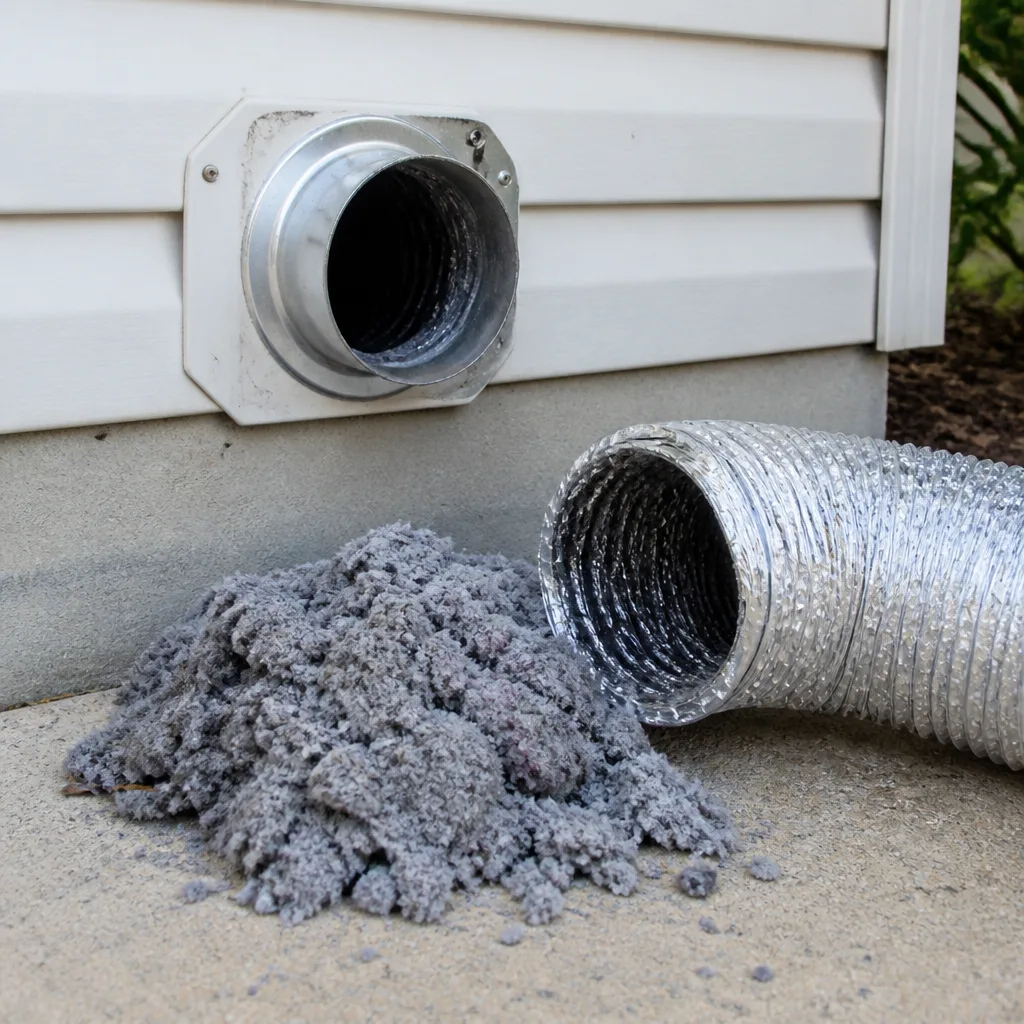
- Camera inspection
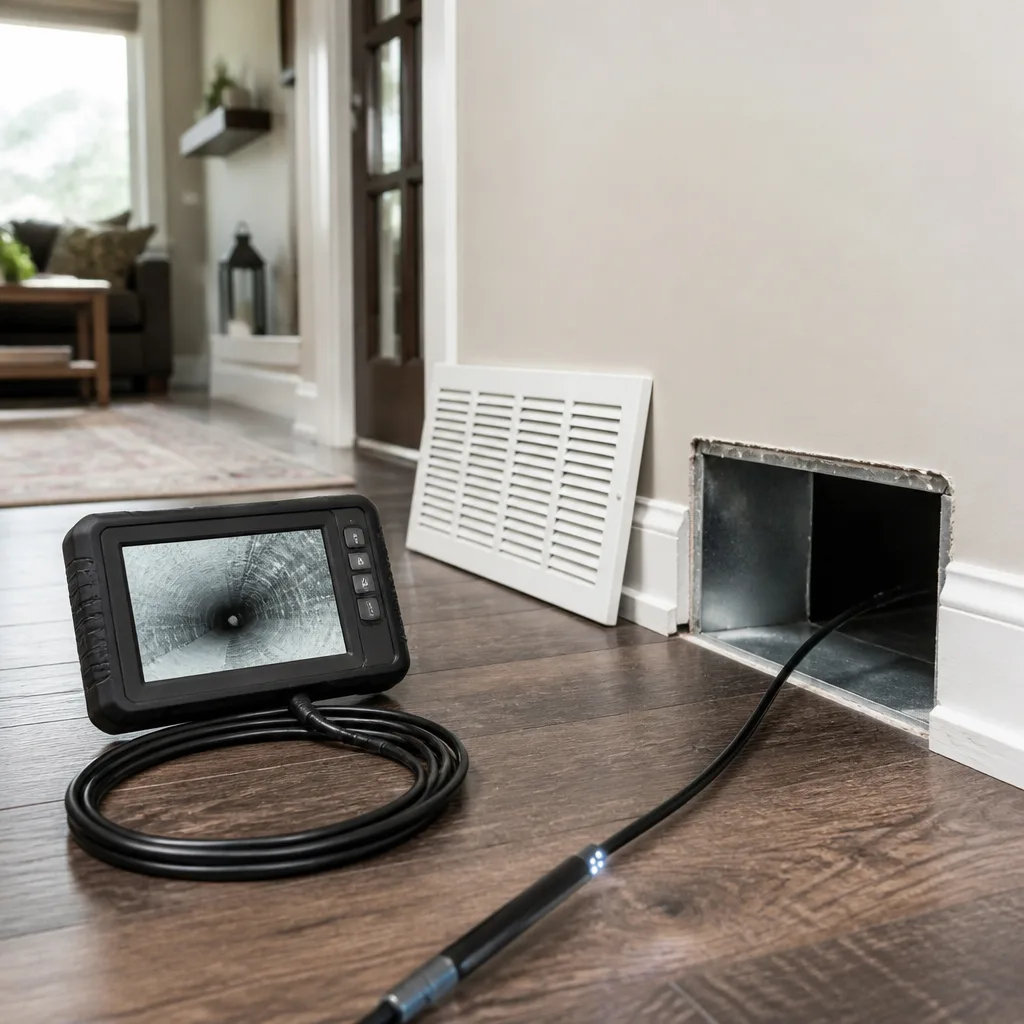
- Sanitizing & deodorizing
Table of Contents
- Where cleaning ends and permitted repair begins
- Arapahoe County vs. City of Englewood: which authority applies to you
- When duct sanitizing falls under EPA pesticide application rules
- How to verify the work stayed within code scope
- What “inspection” actually means for duct work
- Why the paperwork matters for homeowner’s insurance
- Steps to confirm permit requirements for your property
- Common mistakes to avoid
Where Cleaning Ends and Permitted Repair Begins
The Colorado Mechanical Code is the framework most Colorado jurisdictions adopt in some form. Under it, maintenance – cleaning, adjusting, and ordinary repair of existing components – is generally treated differently than new installation or replacement of system components. Cleaning a duct run doesn’t alter the system. Replacing a section of ductwork, changing its configuration, or installing new mechanical equipment does.
Here’s the practical divide we use when we walk a job:
Typically no permit required
- Rotary brush and vacuum cleaning of existing ductwork
- Removing dust, debris, and surface contamination from ducts and registers
- Access door cutting for cleaning access where the duct is returned to service unchanged
- Surface sanitizing of duct interiors as a cleaning finish
- Dryer vent cleaning as a standalone service
Often triggers a mechanical permit
- Replacing a section of rigid or flexible duct
- Rerouting ductwork or adding a new supply or return run
- Reconnecting a duct that has fully separated where the repair changes the system
- Installing or replacing HVAC equipment, including related duct connections
- Sealing and restructuring a duct system where the work changes airflow design
The tricky middle is reconnection. A duct that’s slipped apart at a collar may be reconnectable as a repair without a permit. A duct that requires new material, a new fitting, or a change to the run is a different conversation. If a contractor tells you “it’s just a patch” and then cuts, replaces, or reroutes, ask what classification the work falls into and whether a permit is needed. Our air duct cleaning visits are scoped so that cleaning and permitted repair are clearly separated – if a repair crosses the threshold, we flag it before work starts rather than after.
The reason this matters for Hampden homes is age and construction style. Much of the housing stock in this area has had at least one HVAC replacement already, and duct systems are often a mix of original rigid trunk lines and later flexible runs. Mixed systems are where repair questions come up most, because a cleaning visit is often the first time anyone has looked inside the runs since the last equipment swap.
Arapahoe County vs. City of Englewood: Which Authority Applies to You
Permit authority follows the property. That sounds obvious until you’re standing on a Hampden street where the address line says one thing and the mailing city says another. Some addresses in and around Hampden sit in unincorporated Arapahoe County, and others fall within the City of Englewood or another incorporated municipality. The two can have different permit processes, different review timelines, and different requirements for who may pull the permit.
We don’t guess at jurisdiction, and neither should a contractor. The address line and the tax record decide it, not the mailing city on the envelope.
Here’s how to confirm which authority applies to your property:
- Look up your property on the Arapahoe County Assessor’s public record and note whether the parcel is in unincorporated county or inside a city boundary.
- If the record shows an incorporated city, contact that city’s building department – the City of Englewood for Englewood addresses – and ask whether they issue mechanical permits for duct repair.
- If the record shows unincorporated county, contact Arapahoe County’s building authority for the same question.
- Ask the contractor who will pull the permit, whose name appears on the application, and whether the contractor is registered to work in that jurisdiction.
- Get the permit number in writing before work begins if a permit is required.
This is more than paperwork. Different jurisdictions may have different inspection expectations. Some verify permitted mechanical work on site; others rely on contractor self-certification for certain categories. Knowing which one you’re dealing with tells you whether to expect an inspector’s visit and whether you need to be home for it. For property managers handling multiple Hampden-area units, this is worth checking unit by unit rather than assuming one rule covers a whole portfolio.
When Duct Sanitizing Falls Under EPA Pesticide Application Rules
This section trips up more homeowners than any other part of duct work, so let’s be precise. Cleaning is not sanitizing. Cleaning removes debris – dust, hair, construction grit, and the like. Sanitizing applies a product to the duct interior to reduce microbial growth or odors. Once you’re applying an antimicrobial product that’s registered with the EPA as a pesticide, the work can fall under Colorado’s pesticide application rules, and those rules come with qualifications for the person applying it.
What that means in plain terms:
- Not every sanitizing product is an EPA-registered pesticide. Some are cleaning agents; some are registered antimicrobials. They are regulated differently.
- If the product is registered as a pesticide, Colorado rules on who can apply it, and under what conditions, apply to the application.
- Antimicrobial coatings applied as dust covers or mold prevention are a different category than pesticides and follow different rules.
- A contractor should be able to tell you what product is being used, its EPA registration status, and why it’s appropriate for the situation.
In our experience, the honest answer is that sanitizing belongs after cleaning and only when there’s a reason for it – visible microbial growth, persistent odor, or a documented contamination source. Blanket “sanitize every duct” offers without a stated reason are worth questioning. We use Guardsman-grade sanitizing products as finishing treatments, and we tell the customer what’s going on the duct surface and why. Our Air Duct Cleaning Hampden team pairs cleaning with a clear explanation of what’s being applied, so the answer to “what did you put in my duct?” never has to be a guess.
If sanitizing is being proposed in connection with mold concerns after a water event or a kitchen or bath renovation, that’s the point to slow down and read the label information first. Registered antimicrobial application isn’t a substitute for fixing the moisture problem; it’s a step after containment and cleaning. If someone offers to spray the ducts and call it done, ask what’s being sprayed, why, and whether the recontamination source was addressed.
How to Verify the Work Stayed Within Code Scope
Verification isn’t a formal inspection for a cleaning-only job. It’s the documentation that tells you what was done, what was found, and what was repaired within or outside a permit scope. Without it, you have a satisfied feeling and nothing else.
What to ask for, and what it should look like:
- Before-and-after photos of your own ducts. Not stock images, not the manufacturer’s marketing photos. Photos of your registers and duct interiors from the day of service.
- A written scope of work. What was cleaned, what was repaired, and whether any work required a permit. The scope should name each repair in plain language.
- Equipment and method notes. Professional duct cleaning should record the truck-mounted or portable equipment used. Our work is documented with Rotobrush rotary brush systems and Nikro HEPA vacuums; for sensitive environments – post-renovation dust, mold concerns, allergy-sensitive households – we also deploy Abatement Technologies HEPA containment and filtration equipment. These are the same kinds of tools used in commercial restoration, not consumer blowers.
- Permit number and jurisdiction, if any. If repair crossed into permitted territory, you should have the permit number and know which authority issued it.
- A written estimate before work starts, with the final price confirmed in writing. One flat price per system, agreed before a tool comes off the vehicle. No per-vent pricing surprises.
One point deserves extra emphasis: if the estimate included a permit-required repair, that permit should be visible on the invoice. For any Hampden homeowner reviewing a finished job, the test is simple. Ask “was this cleaning or repair?” and see whether the answer matches what’s written down. If a contractor shrugs and says “it’s all cleaning,” that’s your cue to slow down. Our HVAC cleaning work follows the same principle – every section of the job is scoped and written, so you know exactly where cleaning stopped and repair, if any, began.
What “Inspection” Actually Means for Duct Work
In the duct cleaning industry, “inspection” often means an initial visual assessment with a camera or a look inside the registers, plus a post-clean verification of the same. That’s a good practice, but it’s not a building department inspection. Confusing the two is a red flag.
The distinction matters because of what each one can do for you:
- Cleaning verification: the contractor looks, photographs, and reports. No authority is involved. Nobody signs off that the work complies with code.
- Building department inspection: a municipal or county inspector reviews permitted work against the code. Only applies when permitted work was done. The inspector signs off that the work meets code – or flags it as failing.
If a contractor advertises “free inspection” as their hook and can’t tell you whether they mean a camera assessment or a formal code review, they’re using a marketing word, not a legal one. Real inspection documentation for permitted work comes from the authority that issued the permit, not from the cleaning company.
In practice, a contractor with proper equipment and documentation can do a lot of what a homeowner actually needs – assess build quality, identify leaks, spot disconnected runs, show you what the inside of the ducts actually looks like on camera. That’s where air duct cleaning visits earn their keep beyond the surface clean. But it doesn’t replace the code inspector. When a job requires a permit, the inspector is the only person who can clear it.
Why the Paperwork Matters for Homeowner’s Insurance
Most duct cleaning claims never reach insurance. But some do – a fire traced to a blocked dryer vent, water damage from a failed condensate line discovered during service, or a mold claim where the timeline of prior work matters. In those cases, the paper trail from the contractor is what determines whether the claim gets resolved cleanly or becomes a fight.
What a solid paperwork file contains:
- Dated invoice showing scope of work and final price
- Photos of ducts before and after cleaning
- Any permit number and jurisdiction for repair work
- Record of any sanitizing product used, including the EPA registration info if applicable
- Notes on any issue found but not fixed, so the homeowner can decide independently
A contractor who documents this way gives the homeowner choices after the visit. A contractor who works from a truck with a coupon and no written scope leaves the homeowner with a receipt and little else. When an adjuster asks “who cleaned the ducts and what did they find,” a documented file answers the question and an undocumented one doesn’t.
The same applies to dryer vent work. A blocked dryer vent is a genuine fire risk, and documented cleaning that includes the vent run gives an insurer a clear picture of the maintenance history. Our dryer vent cleaning service is offered as a standalone job for exactly this reason – it’s a safety service, not a throw-in at the end of an HVAC visit.
Steps to Confirm Permit Requirements for Your Property
Every Hampden property has its own answer to the permit question, but the process of finding it looks the same. Here’s the sequence:
- Identify your jurisdiction. Check the county assessor’s record to see whether the property is in unincorporated Arapahoe County or inside an incorporated city like Englewood.
- Contact the authority. Call or visit the building department for that jurisdiction and describe the work. Ask specifically whether “cleaning” or “repair” applies.
- Get a written scope from your contractor. Have the contractor describe the work in enough detail that you can read it back to the building department.
- Confirm who pulls the permit. Most jurisdictions require the contractor to pull the permit, not the homeowner. Confirm this in writing.
- Ask what inspection follows. Some permitted mechanical work gets a site inspection; some doesn’t. Know which is which before work begins.
- Keep every document. Estimate, invoice, permit number, photos, and any equipment or product records.
This whole process takes less time than a single service visit. It’s worth doing even when you’re fairly sure no permit is involved, because the answer sometimes surprises people. A Hampden homeowner replacing a single duct collar during a routine cleaning is usually in different territory than one replacing four feet of a rigid trunk line – and the difference is worth a five-minute phone call.
The Equipment and Method Behind a Documented Job
Documentation only goes as far as the work itself. A contractor can’t photograph cleaning that didn’t happen or verify scope with tools that weren’t used. That’s why equipment and method are part of the code conversation, not separate from it.
Professional duct cleaning for a Hampden home typically involves a containment step (keeping debris from escaping into living space), a mechanical dislodging step (brush or air whips), and a vacuum step that pulls the dislodged material out of the system. In a documented job, all three get recorded. A job using a consumer-grade shop vacuum doesn’t. A job that only brushes and never vacuums doesn’t either.
Our process, for example, uses Rotobrush rotary brush systems for mechanical dislodging on the duct interior, and Nikro HEPA vacuums for containment and extraction. For jobs where the household has documented mold or severe allergies, or where a recent renovation left fine dust in the system, we can deploy Abatement Technologies equipment to operate at remediation-level filtration – the same class of gear used in commercial restoration work. Post-cleaning, where the customer wants more, we can install and work with Honeywell and Aprilaire IAQ components so the ducts aren’t the only thing improved. The result is a cleaning and a written record that shows both what was done and how. For the reverse side of the same coin, our air duct cleaning process explains the full sequence in more detail.
If you’re being quoted a duct cleaning that involves no vacuum and no documentation, that’s a different job than the one described in this guide, and the code and inspection conversation doesn’t apply the same way.
See the difference
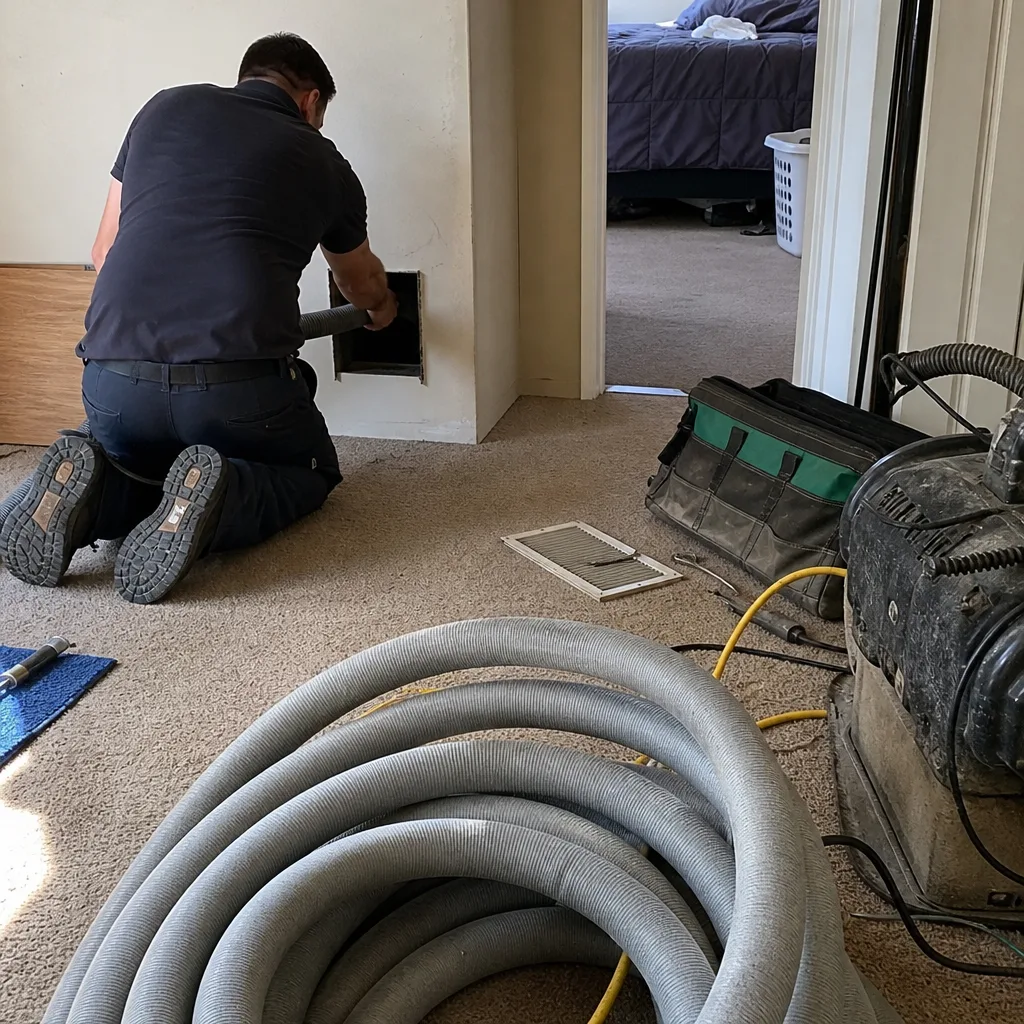 Before
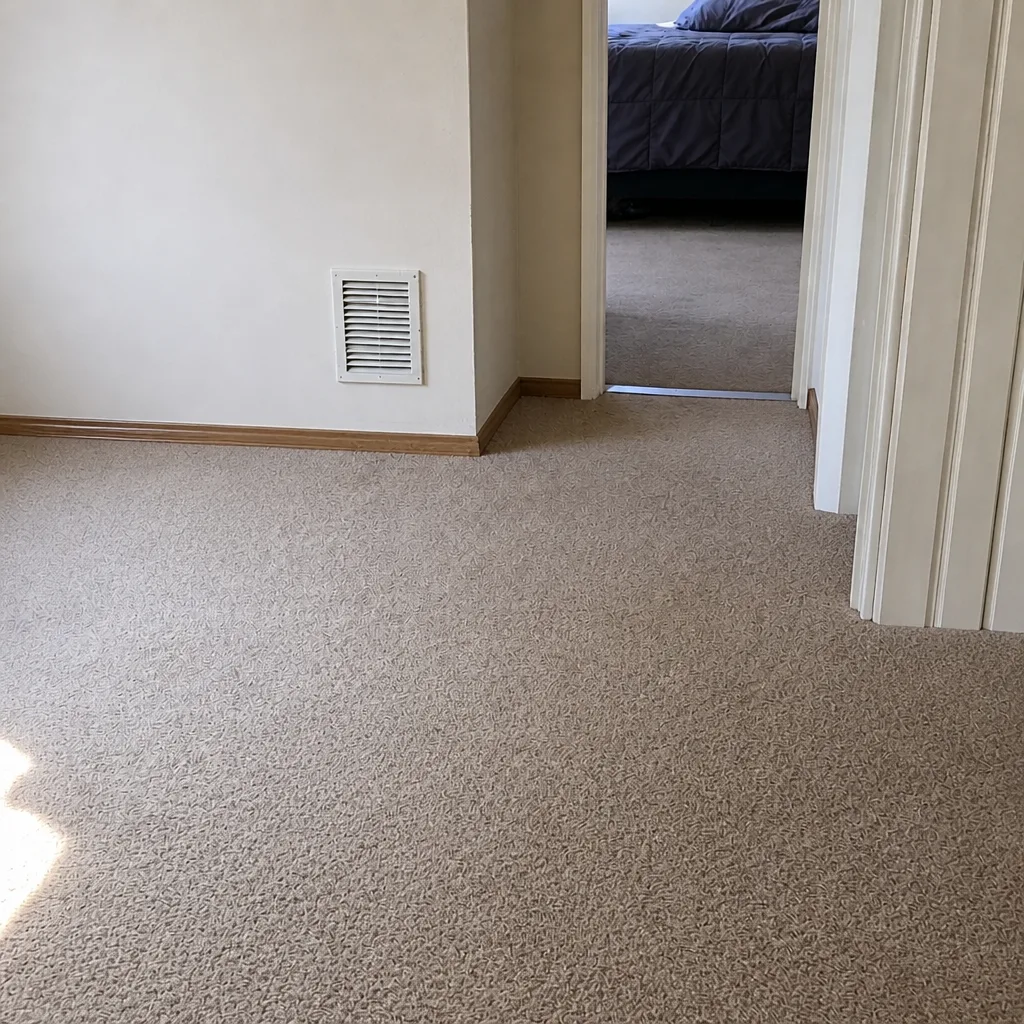 After
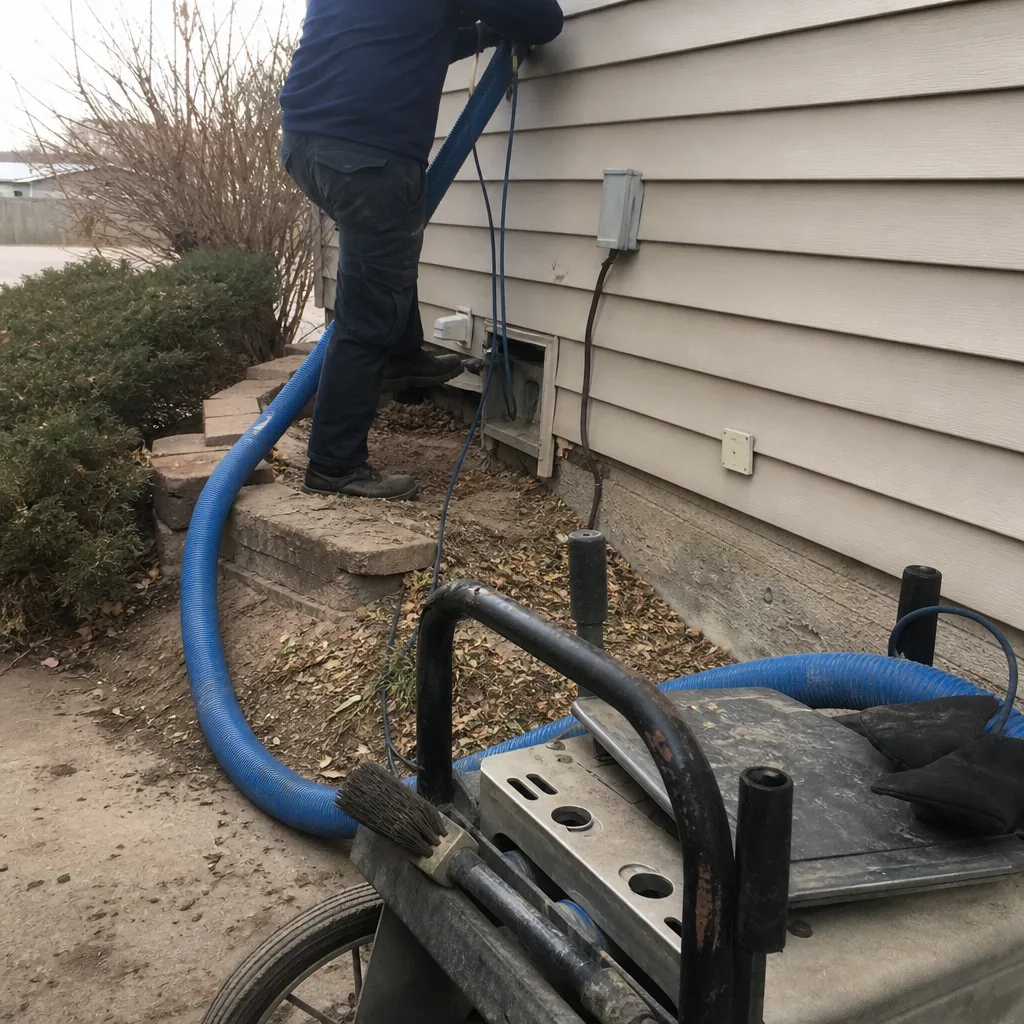 Before
 After
 Before
 After
Hampden Climate and Housing Concerns That Affect Duct Work
Duct issues in Hampden tend to track the local housing stock. Much of the neighborhood’s housing predates the current generation of high-efficiency HVAC equipment, and duct systems have usually been touched at least once – a furnace swap, an AC addition, perhaps a remodel that rerouted a supply run. Every one of those touches is a place where the code scope question can come up after the fact.
The other factor is dry air and fine dust. In our experience with duct work along the Front Range, dry seasons and seasonal wind events load interior duct surfaces with fine particulate faster than many homeowners expect, and a duct system with a small disconnected joint in a Hampden crawlspace pulls from exactly those surfaces. A duct with a slipped joint in a dry crawlspace is a code-relevant connection point – meaning repair, not just cleaning, may be the right answer. That’s part of why our recommendations almost always include a visual pass on the accessible duct system, not just the registers. Findings get written down; decisions get made by the homeowner.
Sealing matters here too. A duct system that’s leaking at joints wastes conditioned air and pulls in unconditioned air from wherever the leak sits. The fix is usually air duct cleaning paired with sealing the leaks – which is permitted work when sealing changes the system configuration, and cleaning-plus-visual when it doesn’t. Getting the classification right is part of the job.
Common Mistakes to Avoid
- Assuming cleaning and repair are the same job. They aren’t, and a contractor who treats them as one is either skipping paperwork or skipping the repair. Ask which one applies before work starts.
- Skipping the jurisdiction check when you live near a city boundary. Hampden addresses can sit in unincorporated Arapahoe County or in an incorporated city, and the two authorities don’t always ask the same questions. Check the parcel record, not the mailing city.
- Letting a contractor pull a permit in the homeowner’s name. Most jurisdictions want the licensed contractor on the permit application. If someone is asking you to sign the permit, ask why.
- Accepting “sanitizing” without knowing what’s being sprayed. If the product is EPA-registered as a pesticide, Colorado’s application rules apply. Ask what the product is and why it’s being applied; a good contractor has a specific answer.
- Confusing a marketing “inspection” with a building department inspection. A camera walkthrough is useful, but it doesn’t validate code. Only the permitting authority can do that.
- Taking the coupon price at face value. The bait-and-switch pattern in this industry is real: a low teaser price becomes a larger invoice once the truck is in the driveway. One flat price per system, agreed before work starts, is the standard to hold.
- Tossing the invoice and photos. If an HVAC issue turns into an insurance claim later, documentation is what gets you through it. Keep it.
When to Call a Professional
Call a professional when a duct system needs more than cleaning – when ducts are disconnected, crushed, or leaking, when a recent renovation or water event has put fine debris into the system, when sanitizing is being considered for mold concerns, or when a home’s airflow hasn’t changed after a furnace replacement. Call someone with professional equipment and documentation, not a shop-vac setup. If the work turns out to be permitted repair, ask for a written scope you can read back to your jurisdiction. Air Duct Cleaning Hampden offers free estimates in Hampden – call (855) 658-4374. One flat price per system, agreed before work starts, with before-and-after photos of your own ducts.
Frequently Asked Questions
Routine air duct cleaning generally does not require a permit in Hampden. Once the work crosses into duct repair, replacement, or a new connection to the HVAC system, it may fall under the Colorado Mechanical Code and require a mechanical permit from Arapahoe County or the city where the property sits. Call (855) 658-4374 for an exact quote on your specific scope – estimates are free.
A cleaning verification is the contractor’s own walkthrough and photo record of what was cleaned and found. A building inspection is a code review performed by the permitting authority after permitted work. They’re different processes, and only one comes from a government inspector. Call (855) 658-4374 for an exact quote – estimates are free.
If the antimicrobial product is EPA-registered as a pesticide, Colorado’s pesticide application rules apply, and the contractor needs to meet them. If it’s a cleaning agent or an antimicrobial coating applied as a dust cover, different rules apply. Ask what product is being used and why. Call (855) 658-4374 for an exact quote – estimates are free.
Ask for the permit number and the issuing jurisdiction on your invoice before work begins. A legitimate job shows this clearly; a repair that skipped the permit process doesn’t. If the answer is “you don’t need one,” ask them to explain why in writing. Call (855) 658-4374 for an exact quote – estimates are free.
It depends on the parcel. Some Hampden-area addresses sit in unincorporated Arapahoe County and others fall inside the City of Englewood or another incorporated municipality. Look up your property on the county assessor’s record to see which one applies before you call the building department. Call (855) 658-4374 for an exact quote – estimates are free.
A typical whole-system air duct cleaning in Hampden comes in around $300 to $700 for most single-family homes, with the exact figure depending on the number of runs, system size, and access. Estimates are free and the written estimate sets the final price – no per-vent surprises. Call (855) 658-4374 for an exact quote.
Usually because they’re a teaser. The low number gets the truck to your door; the real invoice comes after the technician has been on site. Whole-system pricing agreed in writing before work begins is how you avoid the gap. Call (855) 658-4374 for an exact quote – estimates are free.
Before-and-after photos of your own ducts, a written scope, and a clear record of what was cleaned or repaired. If the job included repair, a permit number and jurisdiction should show on the invoice. If a written record doesn’t exist, the work is harder to verify. Call (855) 658-4374 for an exact quote – estimates are free.
The Bottom Line
Standard duct cleaning in Hampden generally doesn’t need a permit; duct repair and replacement might. The line between them isn’t a marketing distinction – it’s a code distinction with real liability attached. If work crosses into repair, confirm which authority applies to your parcel (Arapahoe County or an incorporated city like Englewood), get a permit number in writing, and keep the documentation for insurance. Sanitizing has its own qualification rules when the product is an EPA-registered pesticide. And “inspection” in this industry usually means a camera verification, not a building department review. When in doubt, ask the contractor to put the classification in writing. Free estimates. We answer 24/7. Fast dispatch from 7am to 7pm, Sunday through Friday.
Ready to get a written scope on your system? Call Air Duct Cleaning Hampden at (855) 658-4374 for a free estimate. One flat price per system, agreed before work starts, before-and-after photos of your own ducts, and a satisfaction guarantee on the finish.
Written by the team at Air Duct Cleaning Hampden.